Every business transaction involves more than physical assets and financial statements. Increasingly, organizations recognize that long term customer relationships represent one of the most valuable intangible assets during mergers, acquisitions, and strategic investments. Customer Relationship Asset Valuation During Deals has therefore become an essential part of assessing the true worth of a business.
Moreover, companies operating in highly competitive markets understand that loyal customers contribute predictable revenue, stronger brand reputation, and sustainable growth. Consequently, evaluating customer relationships accurately allows investors and business leaders to make more informed decisions before completing a transaction.
Understanding Customer Relationship Assets
Customer relationship assets represent the economic value created through ongoing interactions with existing customers. These relationships often include repeat purchases, contract renewals, subscription models, customer loyalty, and long standing business partnerships.
Additionally, organizations with strong customer retention generally enjoy lower acquisition costs and higher lifetime value. Therefore, these assets frequently become key considerations during mergers and acquisitions because they directly influence future revenue potential.
As businesses continue investing in digital transformation, customer data has become an increasingly valuable resource that supports more accurate valuation methods.
The Role of Valuation in Business Deals
Valuation professionals examine several factors when determining the value of customer relationship assets. Historical purchasing behavior, customer retention rates, contract duration, revenue concentration, profitability, and future cash flow projections all contribute to the overall assessment.
Furthermore, analysts evaluate customer risks alongside growth opportunities to develop realistic financial models. Consequently, buyers gain a clearer understanding of expected returns while sellers can better demonstrate the long term value of their customer base.
This process reduces uncertainty and supports fair negotiations throughout complex business transactions.
Technology Is Transforming Valuation Practices
Modern valuation no longer depends solely on traditional financial analysis. Artificial intelligence, advanced analytics, cloud platforms, and customer relationship management systems now provide deeper visibility into customer behavior.
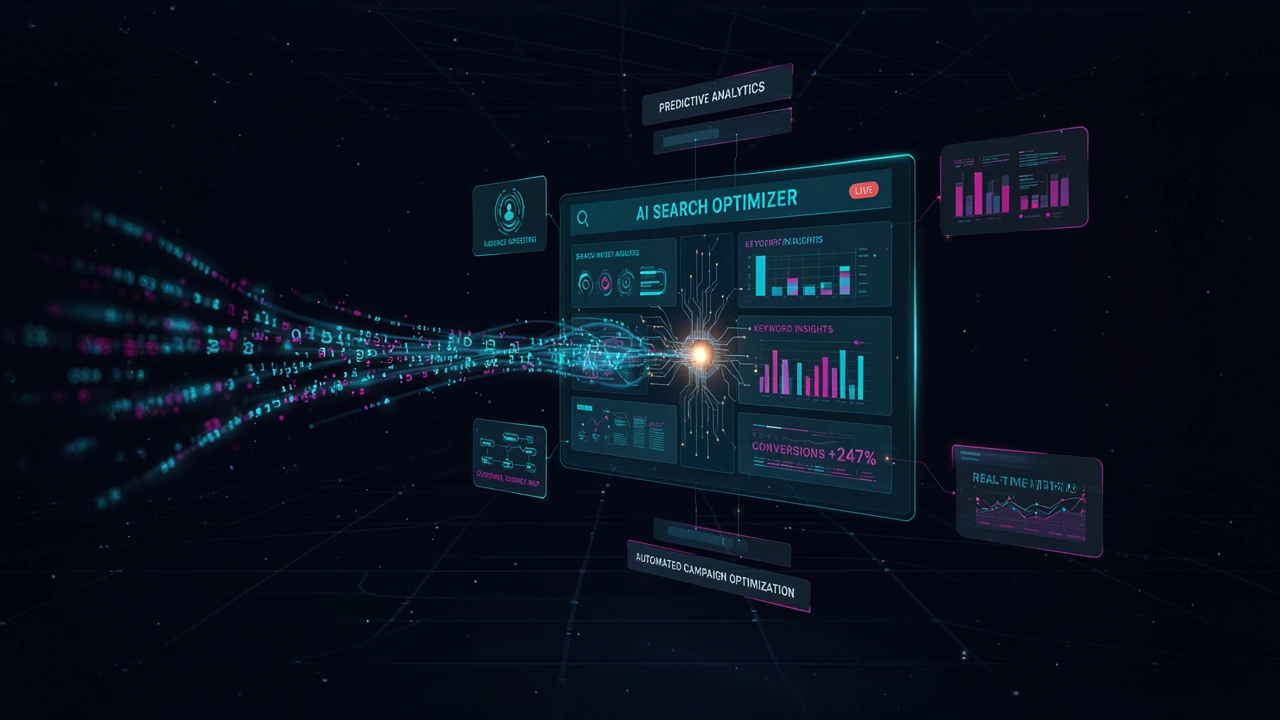
Moreover, predictive analytics enables organizations to estimate customer lifetime value, purchasing patterns, and retention probabilities with greater confidence. As a result, valuation models have become increasingly accurate while supporting stronger investment decisions.
Technology also improves transparency by integrating customer data from multiple business systems into unified analytical platforms.
Marketing Technology Strengthens Customer Value
Marketing technology plays an important role in increasing the measurable value of customer relationships. Organizations use advanced customer data platforms, automation tools, and personalized engagement strategies to improve satisfaction and long term loyalty.
Additionally, customer segmentation enables businesses to identify their highest value audiences while tailoring communications that strengthen relationships. Consequently, organizations generate stronger customer retention, which positively influences valuation during acquisitions and investment discussions.
This approach reflects the growing importance of Customer experience strategies within modern business operations.
Data Driven Decisions Improve Valuation Accuracy
Reliable valuation depends on accurate and comprehensive customer information. Therefore, organizations increasingly rely on Data driven marketing to collect actionable insights that support financial analysis.
Customer engagement metrics, purchasing history, campaign performance, retention statistics, and behavioral analytics all contribute to stronger valuation models. Similarly, advanced reporting helps identify opportunities to improve customer profitability before a transaction takes place.
As organizations embrace intelligent analytics, business leaders gain greater confidence in valuation outcomes.
Digital Innovation Supports Better Customer Insights
Digital transformation continues reshaping how businesses understand customer behavior. Artificial intelligence powered analytics, machine learning, and automation provide valuable insights that traditional reporting methods often overlook.
Furthermore, modern customer platforms deliver real time information that supports faster business decisions throughout acquisition processes. Consequently, organizations can evaluate customer quality alongside revenue performance when determining enterprise value.
These advancements also represent important Digital marketing innovations that improve both customer engagement and business intelligence.
Why Strong Customer Relationships Increase Enterprise Value
Businesses with loyal customers often demonstrate greater financial stability and stronger long term growth potential. Consequently, investors frequently assign higher value to organizations that consistently retain customers while maintaining healthy engagement levels.
Similarly, customer loyalty strengthens recurring revenue, improves forecasting accuracy, and reduces business risk. These advantages also contribute to effective Brand engagement strategies, creating lasting competitive differentiation within increasingly dynamic markets.
Organizations that continuously monitor customer behavior also gain valuable Marketing trends analysis, allowing leadership teams to adapt strategies as customer expectations evolve.
Practical Insights for Future Business Transactions
As customer expectations continue changing, organizations should view customer relationships as strategic assets rather than simple operational metrics. Investing in customer experience, advanced analytics, and marketing technology today can significantly improve business value during future acquisitions or investment opportunities.
Moreover, combining financial expertise with modern technology creates more reliable valuation models that reflect real customer potential instead of relying solely on historical performance. Businesses that prioritize customer retention, digital innovation, and data quality will be better positioned to achieve stronger valuation outcomes while generating meaningful Technology insights that support sustainable growth.
Explore more expert marketing technology insights, customer engagement strategies, and digital innovation trends with MarTechInfoPro.com.