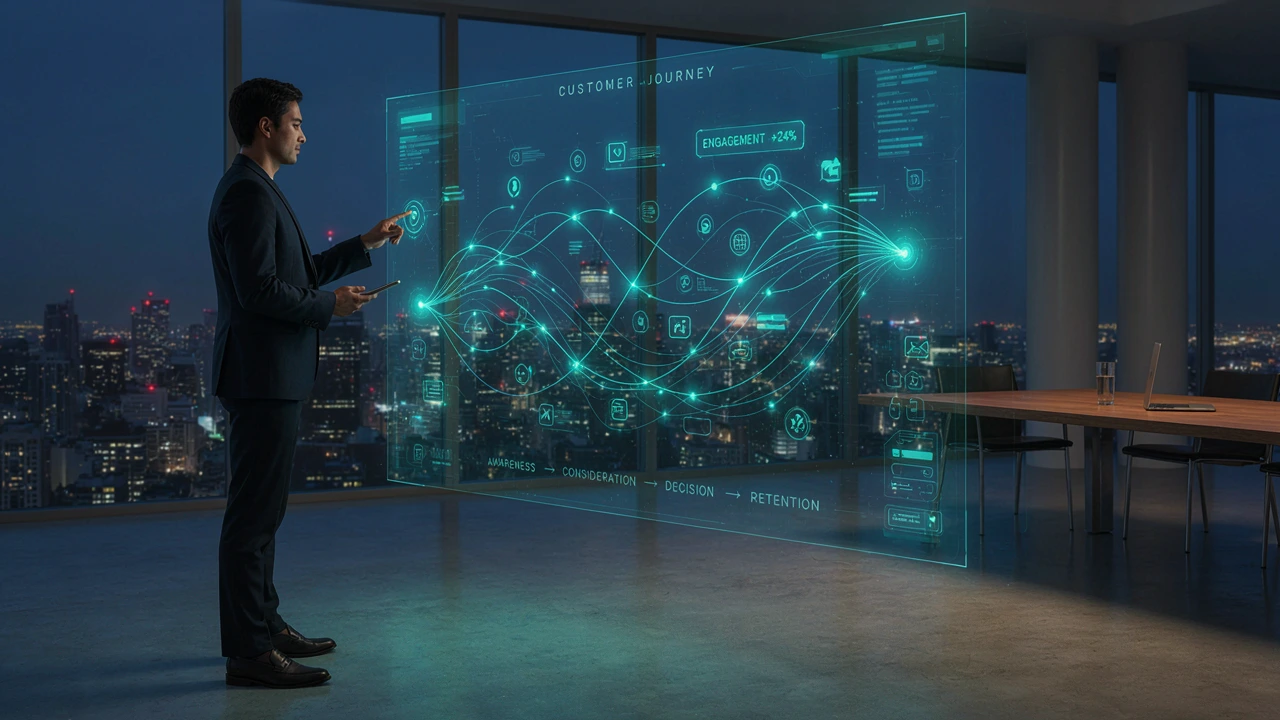
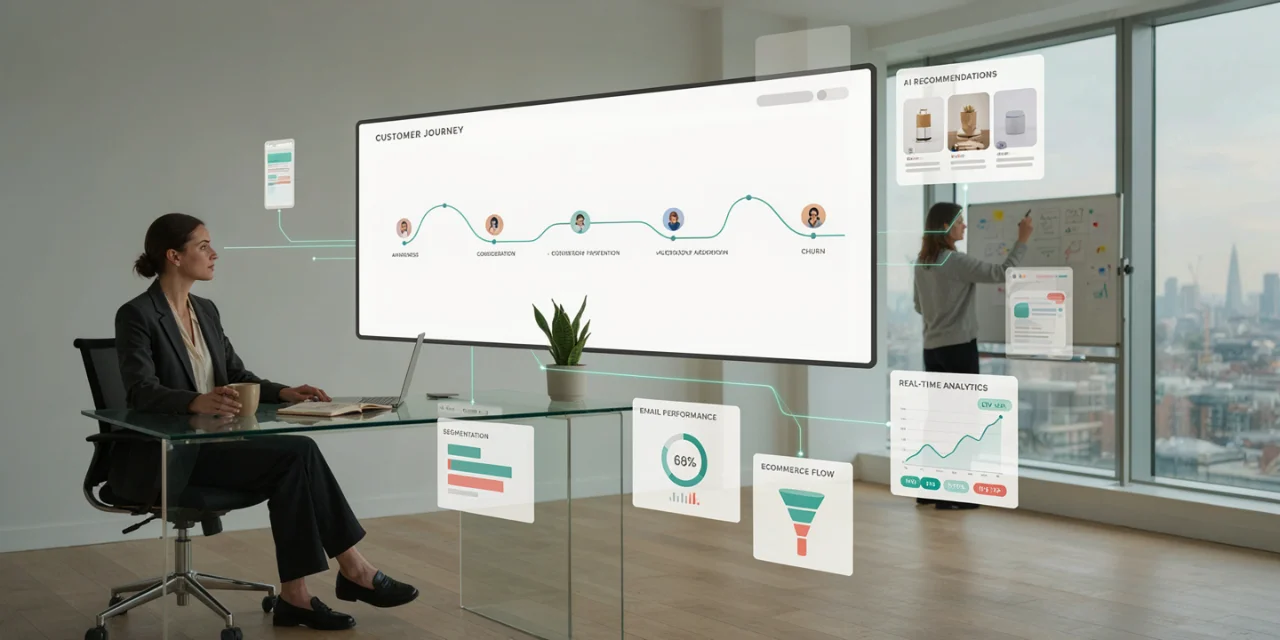
The 2026 State of Marketing Insights From 1500 Marketers offers a useful view into how businesses are adapting to a rapidly changing marketing environment. Technology is reshaping how brands understand audiences, create experiences, measure performance, and build long term relationships with customers.
Marketing teams are no longer focused solely on generating awareness or increasing website traffic. Instead, they are becoming increasingly responsible for connecting technology, customer expectations, business outcomes, and measurable growth. Consequently, marketers are placing greater emphasis on data, automation, personalization, and digital experiences.
Technology Is Becoming Central to Marketing Strategy
One of the strongest technology insights emerging from the current marketing environment is that technology decisions are becoming closely connected to business strategy. Marketing platforms now influence everything from campaign planning and content creation to customer engagement and performance measurement.
Meanwhile, marketers are managing increasingly complex technology stacks. Customer data platforms, analytics solutions, automation tools, advertising platforms, content systems, and artificial intelligence capabilities are becoming interconnected parts of the modern MarTech ecosystem.
However, adding more technology does not automatically produce better results. Businesses need systems that work together and provide useful information to marketing teams. Therefore, integration and usability are becoming just as important as the number of tools a company owns.
Data Driven Marketing Gains Greater Importance
Data driven marketing continues to influence how organizations make decisions. Instead of relying primarily on assumptions, marketers can use customer behavior, campaign performance, engagement patterns, and business data to understand what is working and where improvements are needed.
Additionally, better data can support more relevant customer experiences. Marketers can identify audience preferences and deliver content that reflects different stages of the customer journey. As a result, personalization is becoming less about simply inserting a customers name into an email and more about understanding context.
The challenge is maintaining trust while using customer information responsibly. Privacy expectations are increasing, making transparent data practices an essential part of modern marketing strategy.
Customer Experience Becomes a Growth Driver
Customer experience strategies are also becoming increasingly important as consumers interact with brands across websites, social platforms, mobile applications, email, advertising channels, and digital services.
In contrast to traditional marketing approaches that often treat channels separately, modern customer experiences need to feel connected. A customer who moves from an advertisement to a website and then receives an email should encounter consistent messaging and relevant information.
Moreover, marketers are increasingly expected to understand the complete customer journey. This requires collaboration between marketing, sales, customer service, product teams, and technology departments. Consequently, customer experience is becoming an organization wide responsibility rather than a marketing activity alone.
Digital Innovation Changes How Brands Engage Audiences
Digital marketing innovations are creating new opportunities for brands to experiment with content, campaigns, automation, and customer engagement. Artificial intelligence is contributing to this transformation, but it is only one part of a much broader shift.
Automation can help marketers manage repetitive processes, while analytics can reveal audience behavior and campaign opportunities. Similarly, interactive experiences and personalized content can make brand communications more relevant.
However, technology should support creativity rather than replace the human perspective. Consumers still respond to authenticity, useful information, emotional relevance, and strong storytelling. Therefore, successful marketers will likely combine technological efficiency with human creativity.
Brand Engagement Requires More Relevance
Brand engagement strategies are evolving as audiences become more selective about the content they consume. Simply increasing the volume of marketing messages does not necessarily improve engagement.
Instead, brands need to provide meaningful experiences across the channels their audiences already use. Relevant content, timely communication, community building, personalization, and consistent brand identity can help businesses create stronger relationships.
Meanwhile, marketing teams are paying closer attention to engagement quality rather than relying only on surface level metrics. Website interactions, customer retention, conversions, repeat purchases, and meaningful conversations can provide a more useful picture of marketing effectiveness.
Marketing Measurement Is Becoming More Sophisticated
Marketing trends analysis increasingly focuses on the ability to connect marketing activity with measurable business outcomes. As marketing budgets face greater scrutiny, teams need to demonstrate how campaigns contribute to revenue, customer acquisition, retention, and business growth.
Technology can help marketers connect information from different systems and identify relationships between campaigns and customer behavior. Nevertheless, measurement remains challenging when customers interact with several channels before making a decision.
As a result, marketers are moving toward broader measurement frameworks that consider the complete customer journey rather than evaluating every campaign in isolation.
The MarTech Ecosystem Continues to Evolve
The modern MarTech ecosystem is becoming more connected, intelligent, and customer focused. Businesses are looking for platforms that can reduce complexity while helping teams act on insights faster.
Technology insights from the current marketing landscape suggest that successful organizations will not necessarily be those with the largest technology stacks. Instead, companies that build practical, integrated systems around clear business objectives may have a stronger foundation for sustainable growth.
Additionally, marketing teams will need to develop stronger technology literacy. Understanding data, automation, analytics, privacy, and emerging digital capabilities can help marketers make better strategic decisions.
Valuable Insights for the Future of Marketing
The 2026 State of Marketing Insights From 1500 Marketers highlights a marketing environment where technology and strategy are becoming increasingly connected. Data driven marketing, customer experience strategies, digital marketing innovations, and brand engagement strategies are all contributing to this transformation.
Looking ahead, marketers will need to balance innovation with simplicity, personalization with privacy, and automation with human creativity. The organizations that successfully connect technology with genuine customer value are likely to be better positioned for long term growth.
For marketing professionals, the key lesson is clear. Technology should not simply make marketing faster. It should make marketing more relevant, measurable, useful, and valuable for customers.
Explore more expert perspectives on marketing technology and digital transformation at MarTechInfoPro.com.
Stay informed with the latest technology insights and marketing trends analysis shaping the future of the industry.
Data driven marketing continues to influence how organizations make decisions. Instead of relying primarily on assumptions, marketers can use customer behavior, campaign performance, engagement patterns, and business data to understand what is working and where improvements are needed.
Additionally, better data can support more relevant customer experiences. Marketers can identify audience preferences and deliver content that reflects different stages of the customer journey. As a result, personalization is becoming less about simply inserting a customers name into an email and more about understanding context.
The challenge is maintaining trust while using customer information responsibly. Privacy expectations are increasing, making transparent data practices an essential part of modern marketing strategy.
Customer Experience Becomes a Growth Driver
Customer experience strategies are also becoming increasingly important as consumers interact with brands across websites, social platforms, mobile applications, email, advertising channels, and digital services.
In contrast to traditional marketing approaches that often treat channels separately, modern customer experiences need to feel connected. A customer who moves from an advertisement to a website and then receives an email should encounter consistent messaging and relevant information.
Moreover, marketers are increasingly expected to understand the complete customer journey. This requires collaboration between marketing, sales, customer service, product teams, and technology departments. Consequently, customer experience is becoming an organization wide responsibility rather than a marketing activity alone.
Digital Innovation Changes How Brands Engage Audiences
Digital marketing innovations are creating new opportunities for brands to experiment with content, campaigns, automation, and customer engagement. Artificial intelligence is contributing to this transformation, but it is only one part of a much broader shift.
Automation can help marketers manage repetitive processes, while analytics can reveal audience behavior and campaign opportunities. Similarly, interactive experiences and personalized content can make brand communications more relevant.
However, technology should support creativity rather than replace the human perspective. Consumers still respond to authenticity, useful information, emotional relevance, and strong storytelling. Therefore, successful marketers will likely combine technological efficiency with human creativity.
Brand Engagement Requires More Relevance
Brand engagement strategies are evolving as audiences become more selective about the content they consume. Simply increasing the volume of marketing messages does not necessarily improve engagement.
Instead, brands need to provide meaningful experiences across the channels their audiences already use. Relevant content, timely communication, community building, personalization, and consistent brand identity can help businesses create stronger relationships.
Meanwhile, marketing teams are paying closer attention to engagement quality rather than relying only on surface level metrics. Website interactions, customer retention, conversions, repeat purchases, and meaningful conversations can provide a more useful picture of marketing effectiveness.
Marketing Measurement Is Becoming More Sophisticated
Marketing trends analysis increasingly focuses on the ability to connect marketing activity with measurable business outcomes. As marketing budgets face greater scrutiny, teams need to demonstrate how campaigns contribute to revenue, customer acquisition, retention, and business growth.
Technology can help marketers connect information from different systems and identify relationships between campaigns and customer behavior. Nevertheless, measurement remains challenging when customers interact with several channels before making a decision.
As a result, marketers are moving toward broader measurement frameworks that consider the complete customer journey rather than evaluating every campaign in isolation.
The MarTech Ecosystem Continues to Evolve
The modern MarTech ecosystem is becoming more connected, intelligent, and customer focused. Businesses are looking for platforms that can reduce complexity while helping teams act on insights faster.
Technology insights from the current marketing landscape suggest that successful organizations will not necessarily be those with the largest technology stacks. Instead, companies that build practical, integrated systems around clear business objectives may have a stronger foundation for sustainable growth.
Additionally, marketing teams will need to develop stronger technology literacy. Understanding data, automation, analytics, privacy, and emerging digital capabilities can help marketers make better strategic decisions.
Valuable Insights for the Future of Marketing
The 2026 State of Marketing Insights From 1500 Marketers highlights a marketing environment where technology and strategy are becoming increasingly connected. Data driven marketing, customer experience strategies, digital marketing innovations, and brand engagement strategies are all contributing to this transformation.
Looking ahead, marketers will need to balance innovation with simplicity, personalization with privacy, and automation with human creativity. The organizations that successfully connect technology with genuine customer value are likely to be better positioned for long term growth.
For marketing professionals, the key lesson is clear. Technology should not simply make marketing faster. It should make marketing more relevant, measurable, useful, and valuable for customers.
Explore more expert perspectives on marketing technology and digital transformation at MarTechInfoPro.com.
Stay informed with the latest technology insights and marketing trends analysis shaping the future of the industry.