Maruti Suzuki August sales reached 2,19,220 units in August 2026, marking a 21.3 percent increase compared with 1,80,683 units in August 2025. The company reported domestic sales of 1,80,078 units, sales to other original equipment manufacturers of 5,298 units, and exports of 33,844 units. Maruti Suzuki also crossed one million total sales during the first five months of the 2026 to 2027 financial year.
The performance offers more than an automotive sales story. It also provides valuable Technology insights into how changing consumer preferences, digital engagement, data driven marketing, and customer experience are influencing the modern automotive ecosystem.
Domestic Demand Becomes a Major Growth Driver
Domestic passenger vehicle sales increased 34.8 percent year over year to 1,76,971 units. Utility vehicles were particularly strong, reaching 79,045 units compared with 54,043 units in August 2025. Compact and midsize vehicles also grew to 77,166 units from 59,597 units a year earlier.
This shift highlights the importance of understanding customer preferences through data. Consumers now research vehicles across search engines, social platforms, automotive websites, video channels, and manufacturer websites before making purchase decisions.
Consequently, automotive brands need marketing systems that can connect these interactions and create a clearer understanding of customer intent.
Digital Engagement Is Changing Automotive Marketing
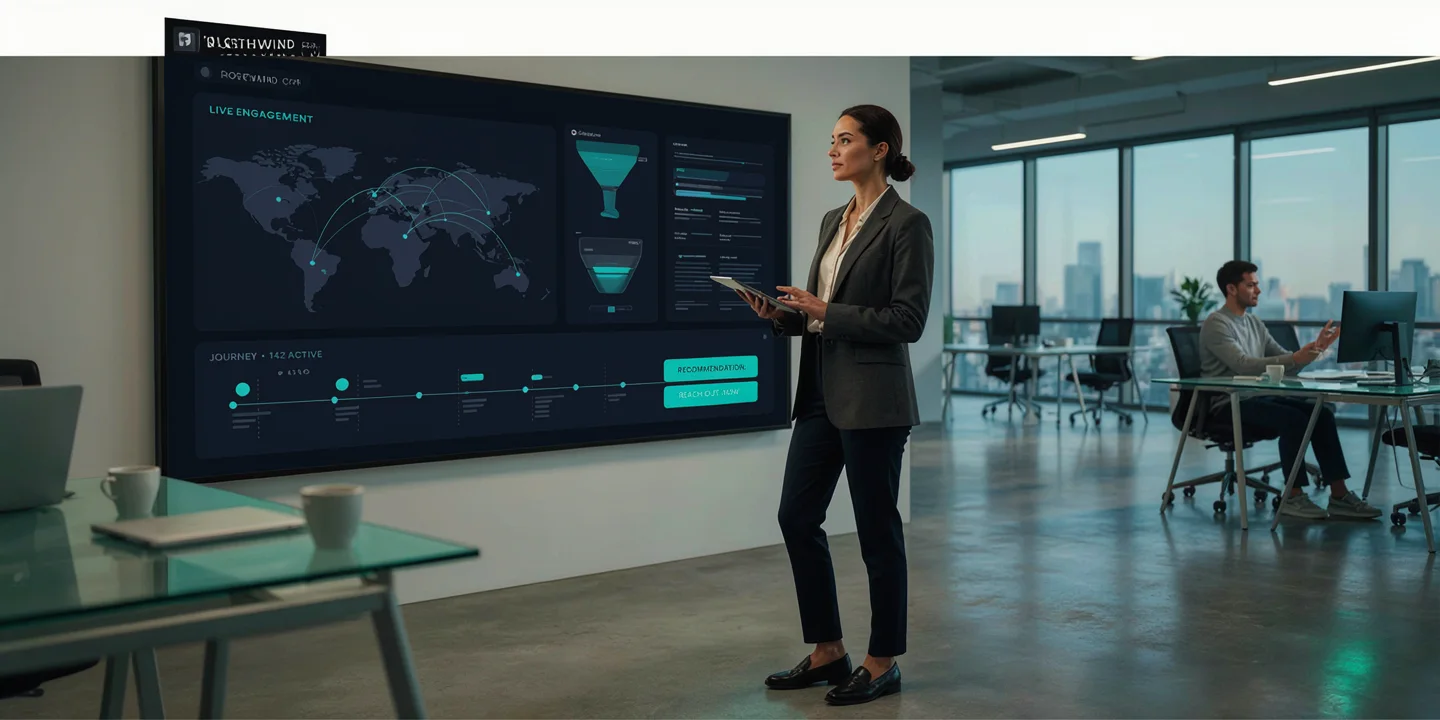
The modern automotive buying journey is increasingly digital. Customers can compare models, explore features, calculate financing options, watch reviews, schedule test drives, and communicate with dealerships without beginning their journey at a physical showroom.
Therefore, Digital marketing innovations are becoming essential to automotive growth. Brands can use customer behavior data to identify high intent prospects and deliver relevant communication at the appropriate stage of the purchase journey.
For Maruti Suzuki, strong sales performance creates an opportunity to use digital engagement to strengthen relationships beyond the initial vehicle purchase. Connected campaigns can encourage test drives, service visits, accessories purchases, financing conversations, and future vehicle upgrades.
Data Can Improve the Customer Journey
Data driven marketing can help automotive companies move beyond broad audience targeting. Instead, marketers can understand customer interests based on browsing behavior, previous purchases, location, vehicle preferences, service history, and campaign interactions.
Moreover, artificial intelligence and marketing automation can help transform these signals into actionable recommendations. A customer researching compact SUVs, for example, could receive information about relevant models, financing options, safety features, or dealership experiences.
This approach supports stronger Customer experience strategies because communication becomes more relevant to the individual rather than simply being based on mass audience assumptions.
Utility Vehicles Reflect Changing Consumer Preferences
The strong performance of utility vehicles provides another important marketing signal. Maruti Suzuki’s utility vehicle portfolio recorded 79,045 domestic sales in August, representing a 46.3 percent increase from the previous year.
For marketers, such changes can provide useful inputs for Marketing trends analysis. Rising demand in a particular vehicle category can influence advertising messages, digital content, audience segmentation, dealership campaigns, and product positioning.
Additionally, customer data can help brands understand why demand is shifting. Factors such as lifestyle changes, family requirements, road preferences, financing conditions, and interest in technology can all influence vehicle selection.
Personalization Can Strengthen Brand Engagement
Automotive marketing increasingly depends on meaningful interactions rather than simply increasing advertising frequency. Brand engagement strategies can become more effective when campaigns respond to individual customer behavior.
For example, someone who repeatedly explores an SUV model may respond better to a personalized test drive invitation than to another general brand advertisement. Similarly, an existing customer approaching a service milestone may receive relevant maintenance communication instead of unrelated promotional content.
As a result, personalization can help automotive companies create more useful experiences while improving marketing efficiency.
MarTech Is Connecting Marketing and Sales
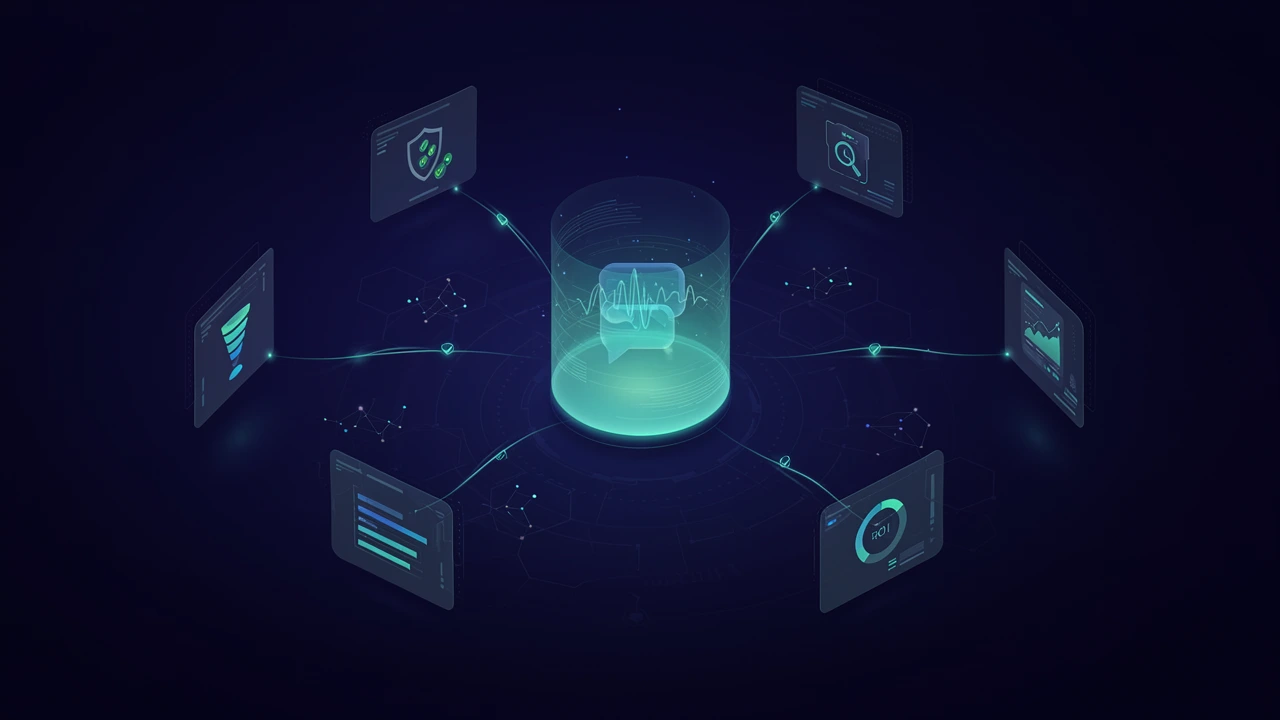
The evolving MarTech ecosystem is making it easier for automotive businesses to connect advertising platforms, customer relationship management systems, analytics tools, websites, and marketing automation.
Meanwhile, sales teams can benefit from real time customer intelligence. When marketing systems identify strong purchase intent, sales representatives can respond faster with relevant information.
This creates a more connected relationship between marketing and sales. Instead of treating digital campaigns and showroom activity as separate processes, businesses can use technology to create one continuous customer journey.
Sales Growth Also Creates New Marketing Opportunities
Maruti Suzuki August sales demonstrate how strong market demand can create opportunities for deeper customer engagement. The company crossed one million total sales within the first five months of the financial year, with cumulative sales reaching 11,43,365 units between April and August 2026.
However, marketers must look beyond headline sales numbers. August total sales were lower than July’s record 2,41,421 units, showing why month over month and year over year data should be interpreted together.
This is where Technology insights and customer intelligence become valuable. Marketing teams can combine sales trends with digital behavior to understand whether demand is accelerating, seasonal, promotion driven, or influenced by changing customer preferences.
The Future of Automotive Marketing
The next stage of automotive marketing will increasingly combine customer data, artificial intelligence, automation, personalization, and connected experiences. Brands will need to understand customers before, during, and after the purchase rather than focusing only on vehicle acquisition.
Maruti Suzuki August sales show the strength of current consumer demand, but they also highlight a larger opportunity for technology driven customer engagement. Automotive companies that effectively connect data with meaningful experiences can build stronger relationships and improve long term customer value.
Practical Insights for the MarTech Ecosystem
The biggest opportunity for automotive marketers is to turn sales momentum into lasting customer relationships. Strong demand should be supported by intelligent audience segmentation, personalized communication, connected CRM systems, and consistent digital experiences.
Meanwhile, marketers should continue monitoring customer behavior rather than relying only on sales volumes. Data driven marketing can reveal emerging preferences and help brands adjust campaigns before market changes become obvious.
As automotive competition increases, the brands that combine strong products with relevant digital experiences will be better positioned to maintain customer loyalty and engagement.
Explore more expert marketing technology insights and emerging industry trends on MarTechInfoPro.com.
Stay informed about digital innovation, customer experience, and the evolving MarTech ecosystem.
Source : thehindubusinessline.com