Indian consumers are becoming more digitally connected, informed, and selective about the brands they engage with. From discovering products on social platforms to completing purchases through mobile applications, the modern customer journey involves multiple touchpoints. Consequently, businesses need smarter ways to understand customer behavior and create meaningful interactions.
MarTech is playing an increasingly important role in this transformation. By bringing together customer data, automation, analytics, artificial intelligence, and campaign management, marketing technology enables brands to make faster and more informed decisions.
As competition grows, the ability to deliver relevant experiences while demonstrating measurable business value is becoming a major advantage.
Understanding Customer Behavior Through Technology
One of the strongest benefits of modern marketing technology is the ability to bring customer information together. Brands can collect signals from websites, applications, email campaigns, social media, online transactions, and customer service interactions.
Previously, these sources often existed within separate systems. However, connected marketing platforms can help organizations develop a broader understanding of how customers discover, evaluate, and interact with a brand.
Therefore, marketers can identify preferences, engagement patterns, purchasing behavior, and potential customer needs. These insights provide a stronger foundation for customer experience strategies and more relevant communication.
Personalization Is Changing Customer Expectations
Customers increasingly expect brands to understand their interests. Generic communication can quickly lose attention when consumers are exposed to hundreds of marketing messages every day.
MarTech allows businesses to create more personalized experiences using behavioral information and customer profiles. For example, an ecommerce brand can recommend products based on previous interactions, while a financial service provider can present content based on customer interests.
Moreover, personalization can extend beyond product recommendations. Businesses can tailor email communication, website experiences, advertising messages, and promotional offers according to customer behavior.
As a result, personalization is becoming an important part of modern brand engagement strategies.
AI Is Accelerating Marketing Innovation
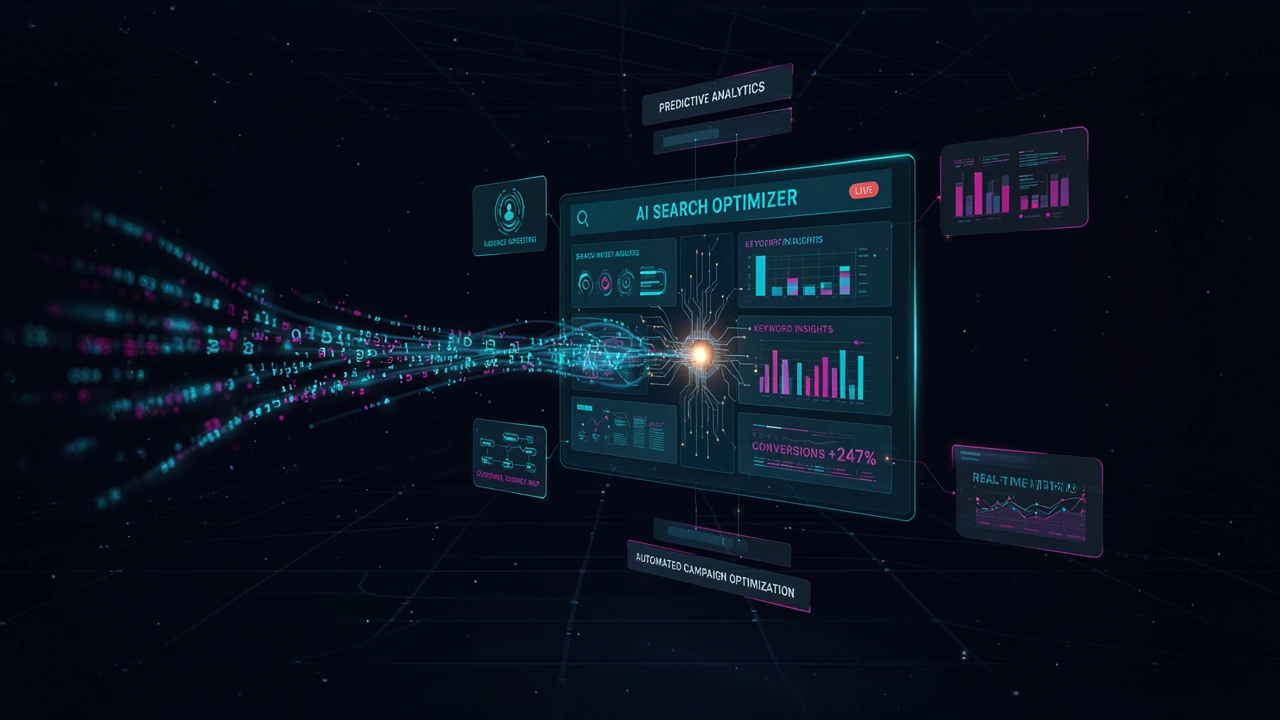
Artificial intelligence is becoming deeply connected with the MarTech ecosystem. AI powered platforms can analyze large volumes of information, identify patterns, predict customer behavior, and support campaign optimization.
Meanwhile, digital marketing innovations are enabling teams to automate repetitive activities while focusing more attention on strategy and creativity.
Generative AI is also influencing content production. Marketers can use intelligent tools to develop campaign concepts, draft content, personalize messages, and explore creative possibilities more quickly.
However, technology should support human creativity rather than replace it. The strongest campaigns still require brand understanding, emotional intelligence, and strategic judgment.
Data Driven Marketing Enables Better Decisions
Data is at the heart of modern marketing. Businesses generate enormous amounts of customer information, but simply collecting data does not guarantee better results.
Data driven marketing focuses on transforming information into actionable insights. Marketers can examine campaign performance, audience engagement, conversion behavior, and customer journeys to understand what is working and what needs improvement.
Additionally, better data can help organizations allocate marketing budgets more effectively. Instead of relying entirely on assumptions, teams can use measurable evidence to refine campaigns and identify opportunities.
Consequently, data quality and responsible data management are becoming essential components of successful marketing strategies.
Automation Makes Marketing More Efficient
Marketing teams often spend considerable time managing repetitive processes. Sending follow up messages, segmenting audiences, scheduling campaigns, updating customer records, and monitoring performance can consume valuable resources.
Marketing automation helps reduce this workload. Once appropriate workflows are established, businesses can deliver timely communication based on specific customer actions.
For instance, a potential customer who downloads a resource could automatically receive relevant follow up content. Similarly, customers who abandon a purchase could receive personalized reminders.
Therefore, automation allows marketing teams to spend more time on creative development, strategic planning, and customer relationships.
Creating Consistent Experiences Across Channels
Customers rarely interact with brands through a single channel. A person might discover a company through social media, visit its website, receive an email, and later make a purchase through a mobile application.
This fragmented journey creates challenges for marketers. Customers expect consistency regardless of where they interact with a brand.
MarTech can help connect different channels and customer data sources. Consequently, businesses can create more coordinated experiences across websites, email, social platforms, advertising networks, and customer service systems.
Technology insights increasingly emphasize this connected approach as brands compete to provide smoother digital experiences.
Measuring the Real Value of Marketing
Customer experience is important, but businesses also need to understand its financial impact. Marketing teams are increasingly expected to demonstrate how campaigns contribute to leads, conversions, revenue, and customer retention.
Modern platforms provide analytics that can help marketers measure performance across different stages of the customer journey. This makes it easier to identify successful campaigns and determine where improvements are needed.
Moreover, marketing trends analysis is increasingly moving toward measurable outcomes rather than simple engagement metrics. Views and clicks still matter, but businesses are paying greater attention to conversion quality, customer lifetime value, retention, and revenue contribution.
The Evolving MarTech Ecosystem
The MarTech ecosystem continues to expand as new technologies enter the market. Customer data platforms, predictive analytics, artificial intelligence, automation tools, conversational systems, and advanced analytics are creating new opportunities for marketers.
At the same time, the growing number of tools can create complexity. Businesses may end up with multiple platforms that do not communicate effectively with one another.
Therefore, organizations should focus on building a technology ecosystem that supports their actual business objectives. More software does not necessarily mean better marketing.
What Indian Brands Should Prioritize
Indian brands can gain greater value from marketing technology by beginning with customer needs rather than technology trends. Businesses should identify weaknesses in their customer journey and then determine which solutions can address those challenges.
Additionally, organizations should improve data quality, establish clear performance measures, and regularly evaluate marketing investments.
Strong customer experience strategies should also combine automation with human interaction. While technology can deliver speed and personalization, people remain essential for creativity, empathy, relationship building, and complex decision making.
Practical Insights for the Future
The future of marketing will increasingly depend on the relationship between technology, data, and customer understanding. Brands that successfully connect these areas can create more relevant experiences while improving marketing efficiency.
Businesses should therefore treat MarTech as a strategic capability rather than simply a collection of software tools. The goal should be to understand customers better, respond faster, personalize interactions, and measure meaningful business outcomes.
Furthermore, marketers should continue following digital marketing innovations, emerging technology insights, and changing customer expectations. Continuous learning will help teams adapt as the marketing technology landscape evolves.
Ultimately, the brands that combine data driven marketing with creativity, responsible technology use, and strong customer understanding will be better positioned to build lasting relationships.
Discover the latest marketing technology developments, digital innovations, and practical strategies with MarTechInfoPro.com.
Source : brandequity