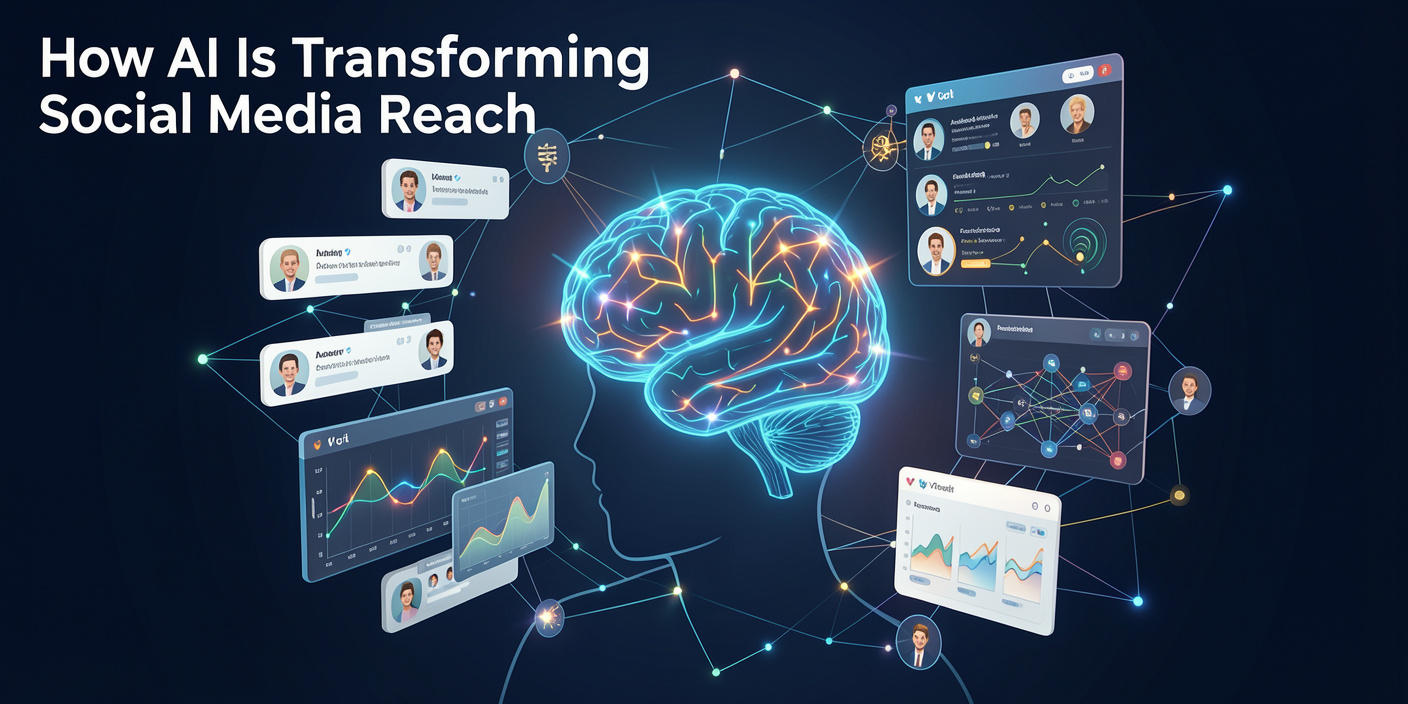
Social media has evolved from a platform for online conversations into a powerful channel for brand discovery, customer engagement, and business growth. However, reaching the right audience has become increasingly challenging as platforms become more crowded and user expectations continue to change. This is where artificial intelligence is creating a major shift.
How AI Is Transforming Social Media Reach can be seen in the way brands create content, understand audiences, personalize experiences, and measure campaign performance. Instead of relying entirely on manual analysis, marketers can now use intelligent systems to identify patterns and make faster decisions.
Consequently, AI is becoming an important part of the modern MarTech ecosystem, connecting automation, analytics, personalization, and creative strategy in ways that can significantly influence digital marketing performance.
Smarter Audience Discovery
Understanding who should see a particular piece of content is fundamental to social media success. Traditionally, marketers depended on demographic information and historical campaign performance. Today, AI can examine significantly larger amounts of behavioral data to identify audience interests and emerging patterns.
Moreover, AI can analyze engagement behavior, content preferences, browsing activity, and interactions to help marketers understand potential audiences. This allows businesses to move beyond broad targeting and develop more relevant audience segments.
As a result, marketers can create campaigns that are better aligned with individual interests while reducing wasted advertising spend. These capabilities are also influencing Technology insights across the marketing industry as organizations increasingly connect customer data with intelligent decision making.
Personalized Content at Scale
Personalization has become central to modern customer engagement. Audiences are more likely to respond when content feels relevant to their interests, needs, and circumstances.
AI allows marketers to personalize social media experiences at a much larger scale. Intelligent systems can recommend content themes, identify audience preferences, suggest creative variations, and help determine which messages are likely to generate stronger engagement.
Additionally, generative AI can support marketers during content development by producing initial concepts, captions, creative variations, and campaign ideas. Human creativity remains essential, but AI can reduce repetitive work and give marketing teams more time to focus on strategy.
Predictive Analytics Improves Campaign Decisions
Social media performance generates enormous amounts of data. However, collecting information is only useful when marketers can turn it into meaningful insights.
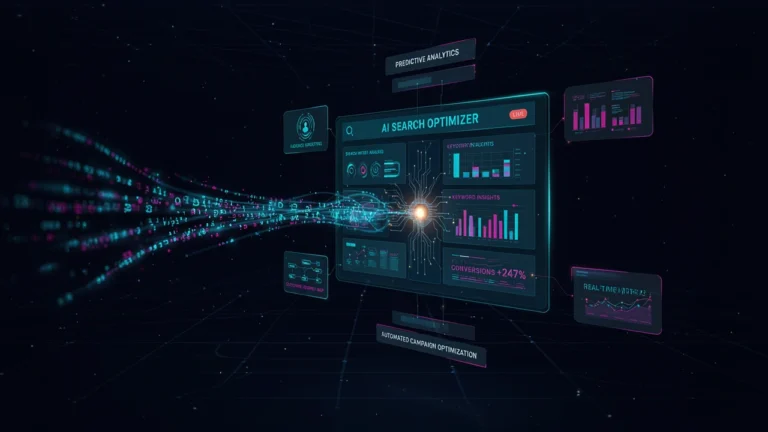
AI powered predictive analytics can examine historical performance and identify patterns that may influence future campaigns. Marketers can use these insights to understand potential engagement levels, audience responses, and content performance.
Therefore, Data driven marketing is becoming more predictive rather than simply descriptive. Instead of asking what happened after a campaign ends, teams can increasingly explore what might happen next and adjust their strategies accordingly.
AI Supports Real Time Social Engagement
Customer expectations have changed significantly. People increasingly expect brands to respond quickly when they ask questions, provide feedback, or report problems through social platforms.
AI powered conversational tools can help brands manage routine interactions and provide faster responses. Meanwhile, intelligent systems can identify customer sentiment and categorize conversations based on urgency or subject matter.
This can strengthen Customer experience strategies by helping businesses understand what audiences are saying and respond more consistently. Nevertheless, human involvement remains important for sensitive issues, complex complaints, and conversations requiring empathy.
Improving Brand Engagement Strategies
Engagement is no longer measured only by likes and follower counts. Meaningful interaction, customer loyalty, brand conversations, and community participation have become increasingly important indicators.
AI can help marketers identify which content formats generate meaningful responses and which audiences are most likely to interact. Furthermore, sentiment analysis can provide valuable context about how people perceive a brand.
As a result, Brand engagement strategies can become more responsive and personalized. Marketers can use AI generated insights to refine messaging while maintaining a consistent brand identity across social platforms.
AI and Emerging Marketing Trends
The rapid adoption of AI is closely connected with broader Marketing trends analysis. Social media algorithms are becoming more sophisticated, content production is becoming increasingly automated, and customer journeys are becoming more personalized.
Similarly, Digital marketing innovations are creating new opportunities for businesses to experiment with interactive content, predictive targeting, automated campaign optimization, and intelligent recommendations.
However, organizations must balance automation with authenticity. Audiences can recognize content that feels repetitive or disconnected from a brand’s personality. Therefore, successful marketers will use AI as an enhancement to human creativity rather than a complete replacement for it.
Data Privacy and Responsible AI
The growing use of AI also creates important questions about data privacy and responsible marketing. Businesses need to understand how customer information is collected, processed, stored, and used.
Moreover, marketers should be transparent about data practices and ensure that personalization does not become intrusive. Maintaining customer trust is essential because sophisticated technology cannot compensate for a poor privacy experience.
Companies that combine intelligent automation with responsible data governance will be better positioned to build sustainable relationships with their audiences.
How AI Is Transforming Social Media Reach will become even more apparent as AI technologies become integrated across advertising platforms, content management systems, analytics tools, and customer experience platforms.
The next stage of social media marketing will likely focus on deeper personalization, faster campaign optimization, predictive audience insights, and increasingly intelligent customer interactions. Meanwhile, marketers will continue to play a critical role in defining brand voice, creative direction, ethical boundaries, and strategic objectives.
The most successful organizations will not simply adopt AI because it is technologically advanced. Instead, they will connect AI capabilities with clear business goals, useful customer insights, strong creative thinking, and measurable outcomes.
Practical Insights for Modern Marketers
AI is reshaping social media reach by helping brands understand audiences faster, personalize content, analyze performance, and improve customer interactions. However, technology alone does not guarantee better marketing results.
Marketers should focus on combining AI capabilities with human creativity and strategic judgment. By connecting Technology insights, Data driven marketing, Customer experience strategies, and Digital marketing innovations, businesses can create social media programs that are both efficient and genuinely relevant.
Explore more expert marketing technology insights and emerging industry perspectives on MarTechInfoPro.com.