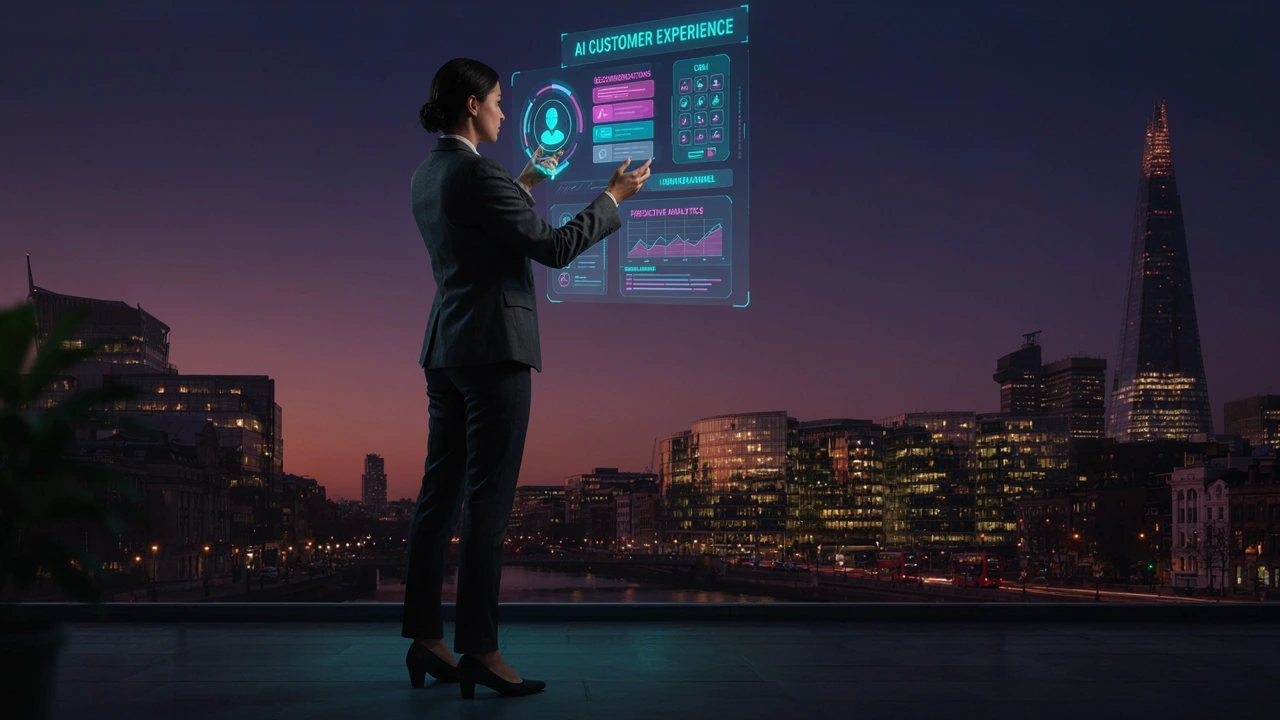
Omnichannel marketing in 2026 is becoming more intelligent, connected, and focused on the customer journey. Consumers now interact with brands through websites, mobile applications, social media, email, search, digital advertising, physical stores, and messaging platforms. As a result, marketers need to create experiences that feel consistent regardless of where an interaction begins.
Artificial intelligence is accelerating this transformation by helping marketing teams understand customer behavior, personalize communication, automate processes, and identify opportunities across multiple channels. However, technology alone cannot create a successful omnichannel experience. Businesses need connected data, thoughtful customer experience strategies, and a clear understanding of what customers actually expect.
AI Is Changing Omnichannel Marketing
Artificial intelligence is becoming an important part of modern marketing technology. Marketers can use AI capabilities to analyze large amounts of customer information, identify behavioral patterns, generate relevant content, and support campaign optimization.
Meanwhile, AI can help organizations respond to customer signals more quickly. A consumer who interacts with a product page, opens an email, and later engages with an advertisement can generate multiple signals about purchase intent. Connected marketing systems can use these signals to create more relevant experiences.
Therefore, omnichannel marketing in 2026 is increasingly about responding to customer context rather than simply delivering the same message across different platforms.
Connected Journeys Improve Customer Experience
Customers generally do not think about marketing channels as separate systems. They expect their experience with a brand to remain consistent as they move between devices and platforms.
For example, someone may discover a brand through search, explore its website, interact with social content, and later receive an email. If every interaction reflects previous engagement, the journey can feel natural and relevant. In contrast, disconnected communication can make a brand appear unaware of customer preferences.
Consequently, customer experience strategies are becoming central to omnichannel planning. Marketing teams need to understand how individual interactions contribute to the broader customer journey.
Data Becomes the Foundation
Connected experiences require connected information. Data driven marketing allows organizations to bring together customer interactions and use those insights to improve targeting, personalization, and campaign performance.
However, collecting more data does not automatically create better marketing. Businesses need reliable information, appropriate governance, and systems that allow marketers to turn data into useful decisions.
Additionally, privacy expectations continue to influence how brands collect and use customer information. Transparency and responsible data practices can become important factors in building customer trust.
The MarTech Ecosystem Becomes More Integrated
The MarTech ecosystem is evolving as businesses look for better connections between customer data, analytics, content, advertising, automation, and customer relationship platforms.
Technology insights from this changing environment show that integration is becoming increasingly valuable. Rather than managing isolated tools, organizations are looking for technology environments that allow information to move efficiently between marketing functions.
Moreover, integrated systems can help marketing teams reduce repetitive work and gain a clearer view of campaign performance. This can allow marketers to spend more time developing strategy and creative ideas.
Personalization Moves Beyond Basic Targeting
Personalization is becoming more sophisticated as AI and connected customer data improve. Instead of simply changing a name or demographic detail, marketers can adapt messages according to behavior, preferences, engagement history, and customer intent.
Similarly, digital marketing innovations can help brands determine which content or communication style is more relevant at different points in the customer journey.
However, personalization needs balance. Customers may appreciate relevant experiences, but excessive targeting can feel intrusive. Successful marketers will therefore need to understand where personalization creates value and where simplicity is more appropriate.
Brand Engagement Becomes More Dynamic
Brand engagement strategies are also changing as consumers move continuously between digital environments. Social media, messaging, video, communities, websites, and mobile applications all provide opportunities to build relationships.
Meanwhile, customers increasingly expect brands to respond quickly and communicate consistently. Omnichannel marketing can help organizations coordinate these interactions so that engagement feels connected rather than fragmented.
As a result, brands can create stronger relationships by focusing on relevance, responsiveness, and meaningful interactions instead of simply increasing communication frequency.
Measuring the Complete Customer Journey
Marketing trends analysis is increasingly moving beyond individual campaign metrics. Marketers want to understand how different interactions contribute to customer acquisition, conversion, retention, and long term value.
This can be challenging because customers may interact with several channels before completing an action. Consequently, organizations need measurement approaches that provide a broader view of customer journeys.
AI powered analytics can support this process by identifying patterns across large datasets. Nevertheless, marketers still need clear business objectives to determine which insights actually matter.
What Omnichannel Marketing Means for 2026
Omnichannel marketing in 2026 will increasingly depend on the combination of AI, connected data, integrated technology, and customer focused strategy. The goal is not simply to appear on every available channel. It is to make every interaction feel like part of the same relationship.
Businesses that connect marketing systems while maintaining transparency and customer trust can create more relevant experiences. Additionally, organizations that combine automation with human creativity may be better positioned to adapt as customer expectations continue changing.
Valuable Insights for the Future
The next phase of omnichannel marketing will be defined by connected journeys rather than isolated campaigns. AI can help marketers understand customer signals, while integrated MarTech platforms can turn those signals into timely experiences.
The most effective strategies will balance personalization with privacy, automation with creativity, and technology with genuine customer value. For marketers, the opportunity is to use technology not simply to reach customers across more channels but to make every interaction more meaningful.
Explore more expert technology insights and marketing trends analysis on MarTechInfoPro.com.