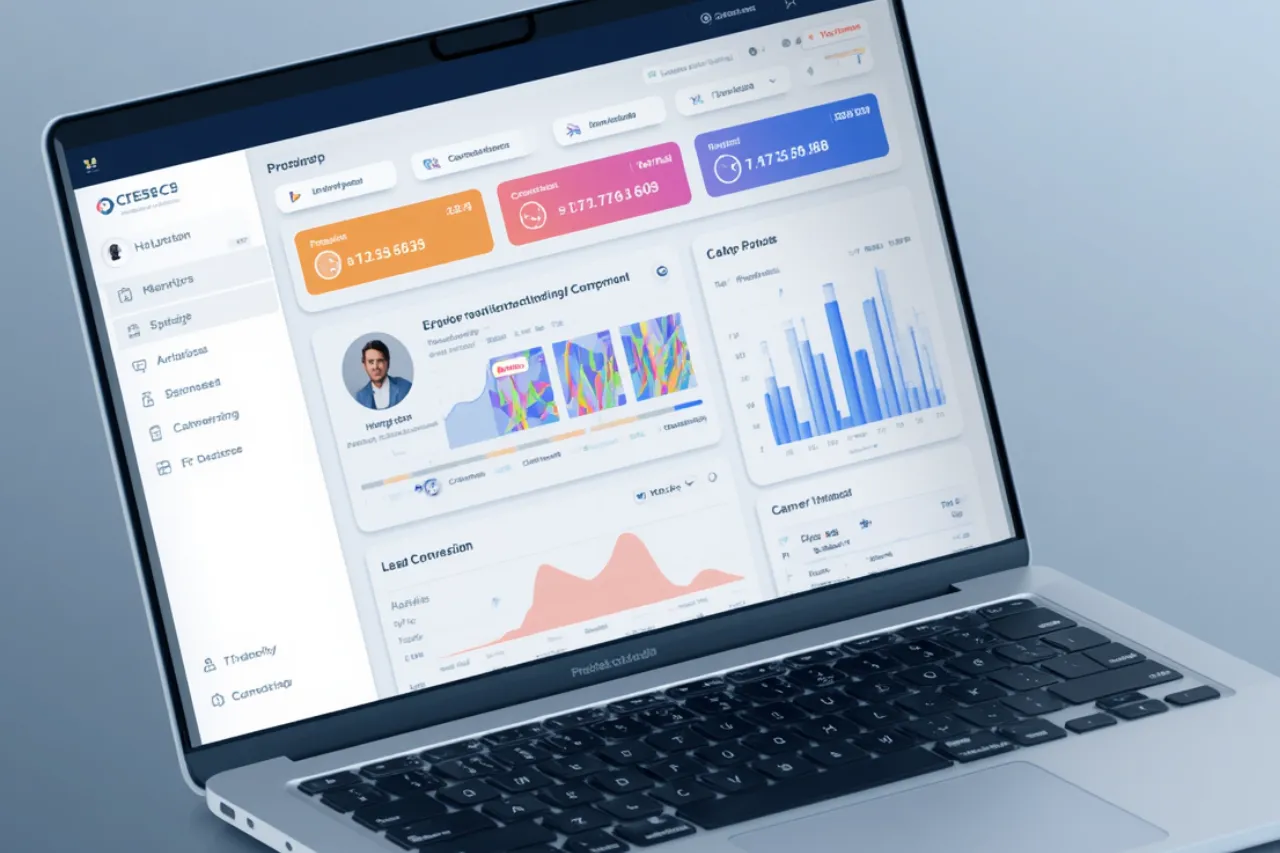
Customers interact with brands through websites, email, social media, mobile applications, online stores, and physical locations. They expect these interactions to feel connected rather than like separate conversations. As a result, businesses are increasingly adopting omnichannel marketing automation tools to coordinate campaigns, personalize communications, and deliver consistent customer experiences across multiple channels.
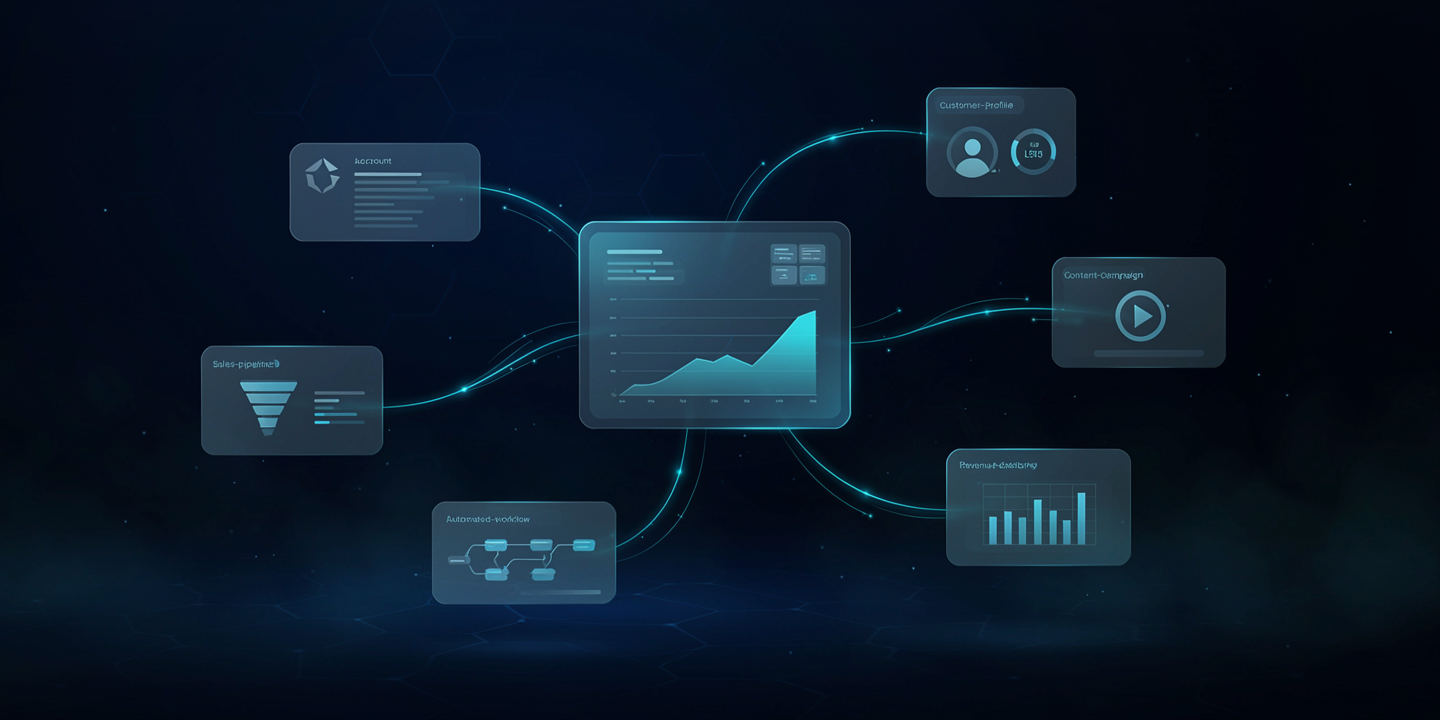
Unlike traditional marketing automation, which often focuses on individual campaigns or channels, omnichannel automation connects customer data and interactions to create a more unified journey. These platforms help marketers understand customer preferences, trigger relevant messages, and measure engagement across touchpoints.
In 2026, artificial intelligence, predictive analytics, and real time customer data are making these capabilities more valuable. For businesses navigating a competitive digital environment, the right technology can improve operational efficiency while supporting stronger customer relationships. These developments also offer important technology insights into the evolving MarTech ecosystem.
HubSpot Marketing Hub Simplifies Cross Channel Campaigns
HubSpot Marketing Hub provides businesses with tools for email marketing, landing pages, audience segmentation, campaign automation, and performance reporting. Its integration with HubSpot’s customer relationship management platform helps marketing teams connect campaign activity with customer and sales information.
Businesses can create automated workflows based on form submissions, customer interactions, and other supported triggers. Consequently, marketers can nurture leads with relevant communications while reducing repetitive administrative tasks.
HubSpot can be particularly useful for growing businesses seeking an integrated marketing and customer management environment. However, organizations should evaluate subscription costs, contact limits, and the features available in each plan before committing.
Salesforce Marketing Cloud Supports Personalized Customer Journeys
Salesforce Marketing Cloud offers capabilities for managing customer communications, audience data, personalization, and automated journeys. Depending on the products selected, businesses can coordinate messaging across email, mobile, advertising, and other supported channels.
Its broader Salesforce ecosystem can help organizations connect marketing activity with sales and customer service information. For example, a company could design a customer journey that responds to engagement signals and adjusts subsequent communications according to defined rules.
Moreover, advanced segmentation and analytics can help teams understand which interactions contribute to conversions and retention. Nevertheless, successful implementation requires thoughtful data integration, appropriate governance, and skilled campaign management.
Adobe Journey Optimizer Connects Customer Experiences
Adobe Journey Optimizer helps brands orchestrate customer journeys using customer data, event signals, and personalized content. It is designed for organizations that need to coordinate interactions across digital channels and respond to customer behavior in a timely manner.
For instance, a retailer could use customer activity to trigger a relevant follow up message or adapt an offer according to an individual’s journey. When supported by accurate data and suitable integrations, these capabilities can help businesses deliver more consistent experiences.
Additionally, Adobe’s broader experience management ecosystem can support content creation, analytics, and personalization initiatives. However, organizations should assess implementation complexity and integration requirements before selecting the platform.
ActiveCampaign Helps Businesses Automate Customer Engagement
ActiveCampaign combines email marketing, marketing automation, customer segmentation, and customer relationship management capabilities. Its workflow tools allow businesses to create communications triggered by customer behavior, preferences, and lifecycle stages.
A small business, for example, could automatically send a welcome email after registration, follow up with educational content, and provide a relevant offer when a customer demonstrates purchase intent. This approach supports brand engagement strategies while reducing manual campaign coordination.
ActiveCampaign may suit businesses that prioritize email driven customer journeys and practical automation. However, its suitability for a comprehensive omnichannel strategy depends on the required channels, integrations, and available plan features.
Klaviyo Connects Customer Data With Ecommerce Marketing
Klaviyo is particularly relevant to ecommerce businesses that want to connect customer data with email and SMS marketing. Its automation capabilities support personalized messages based on activities such as purchases, browsing behavior, and abandoned shopping carts, subject to available data and integrations.
For example, an online retailer can send a reminder to a customer who leaves products in a cart and follow up with relevant recommendations based on previous purchases. Consequently, marketing teams can build more timely customer experiences and evaluate campaign performance using engagement and revenue metrics.
Klaviyo can be a strong option for ecommerce focused brands. However, businesses should consider their sales channels, customer database, messaging requirements, and applicable consent rules when evaluating the platform.
Selecting omnichannel marketing automation tools requires more than comparing feature lists. Businesses should first identify their most important customer journeys, including lead generation, onboarding, repeat purchases, and customer retention.
Next, they should evaluate integration with existing CRM systems, ecommerce platforms, analytics tools, and customer data sources. Reliable integration helps prevent fragmented customer records and inconsistent communications.
Data driven marketing also depends on accurate measurement. Teams should track meaningful indicators such as conversion rates, customer retention, engagement, and campaign revenue rather than relying solely on email opens or social media impressions.
Meanwhile, privacy and consent management must remain central to platform selection. Organizations need appropriate access controls, transparent data practices, and compliant communication preferences. These customer experience strategies help businesses build trust while improving campaign relevance.
Marketing Technology Trends Shaping Automation in 2026
Artificial intelligence is expanding the role of marketing automation by helping teams analyze customer behavior, generate content variations, identify audience segments, and optimize campaign timing. However, AI generated recommendations still require human review to maintain brand consistency and factual accuracy.
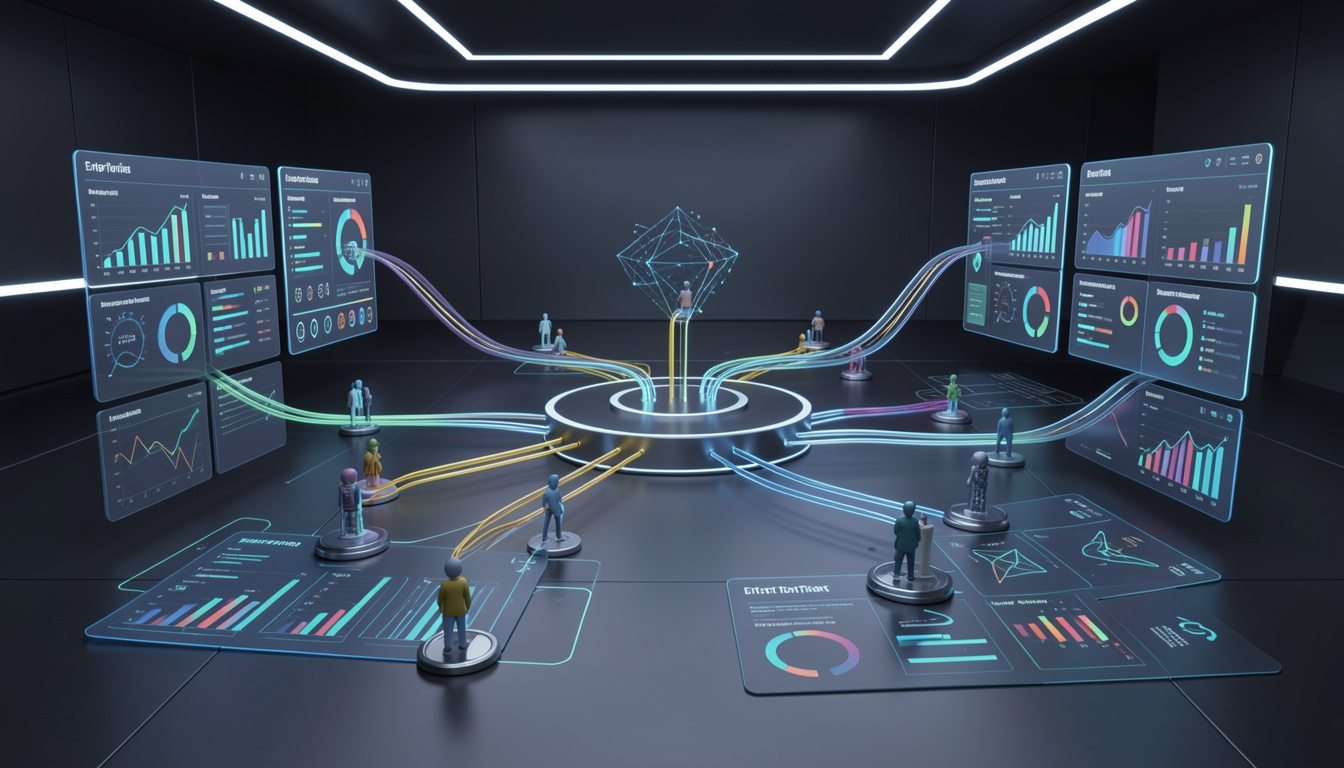
Meanwhile, digital marketing innovations are encouraging businesses to connect customer data more effectively across channels. Rather than treating email, mobile messaging, paid advertising, and websites as isolated activities, marketers can use connected workflows to create more coherent customer journeys.
Marketing trends analysis increasingly emphasizes measurable business outcomes, responsible personalization, and first party data strategies. Therefore, organizations should prioritize platforms that support transparent reporting, flexible integrations, and adaptable automation rather than chasing every new feature.
Building a Smarter Omnichannel Strategy for the Future
The value of omnichannel marketing automation tools comes from how effectively businesses use them to connect customer interactions. A platform alone cannot resolve fragmented data, unclear messaging, or poorly designed campaigns. Sustainable results require a clear customer journey, reliable data, relevant content, and ongoing performance evaluation.
Businesses should begin with one measurable workflow, such as welcome communications or abandoned cart recovery, and expand after understanding its impact. This practical approach helps teams refine processes, manage costs, and build confidence before introducing more complex automation.
As the MarTech ecosystem continues to evolve, organizations that combine intelligent automation with human creativity and responsible data practices will be better positioned to deliver consistent customer experiences.
Explore more expert marketing technology insights and digital innovation updates at MarTechInfoPro.com.
Discover practical strategies to strengthen customer engagement and improve marketing performance.