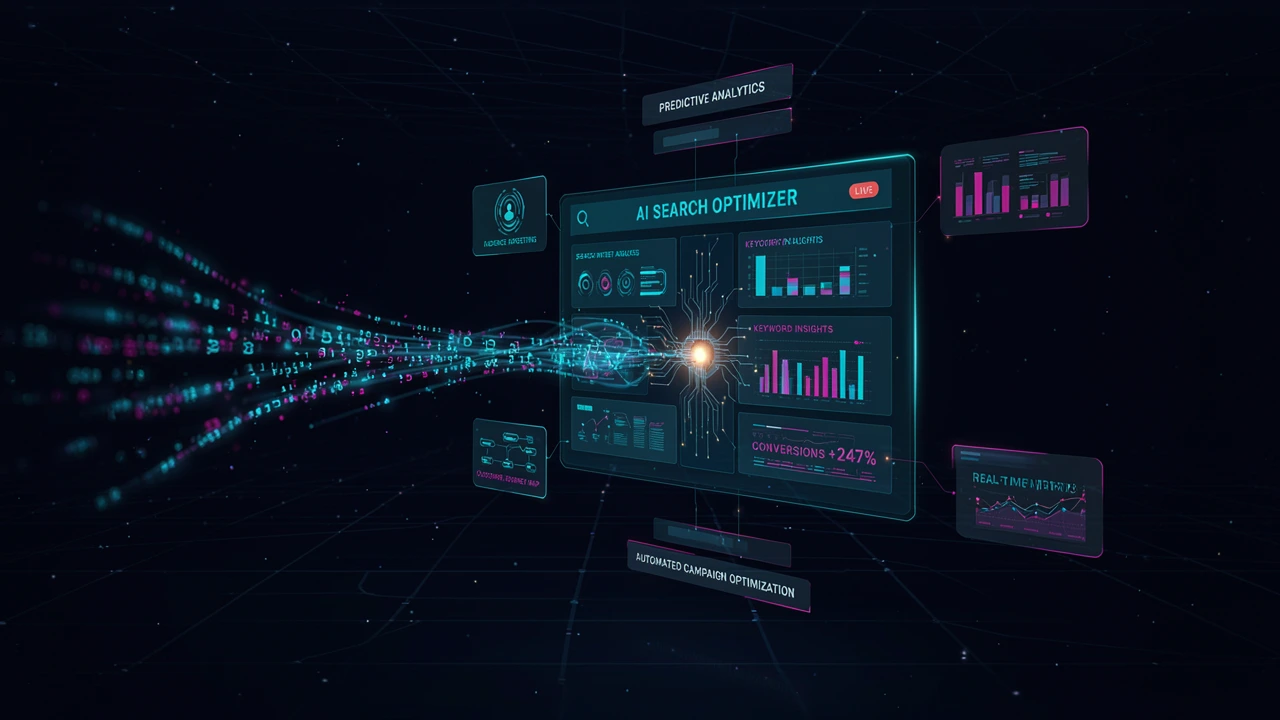
HubSpot is taking another major step in marketing technology with its Fall 2026 Spotlight, announced on September 16, 2026. The product release introduces a new approach to customer relationship management, bringing artificial intelligence, customer data, and marketing workflows closer together. The goal is to help businesses generate demand, improve productivity, and deliver more relevant customer experiences.
Rather than treating AI as a separate tool, HubSpot is building it into the foundation of its platform. The announcement introduces a self updating Smart CRM, an enhanced Breeze Assistant, Growth Context, Context Home, and a new Marketing Studio. Together, these capabilities aim to help marketing, sales, and service teams work from a shared understanding of their customers and business priorities.
Why Growth Context Matters for Marketing Teams
A common challenge for businesses is that customer information often sits across disconnected applications, spreadsheets, email platforms, and analytics systems. Even when companies collect substantial data, teams may struggle to turn it into useful decisions because important context is missing.
HubSpot calls its approach Growth Context. It brings together information about a business, its customers, its team, and its processes to help AI produce more relevant recommendations and actions.
For marketers, this could mean developing campaigns that better reflect customer interests, identifying gaps in lead follow up, and creating content that aligns with brand positioning. Moreover, connecting business context with customer activity can help teams move beyond generic AI generated content toward more meaningful communication.
The concept also supports data driven marketing by helping teams use available information to decide what to improve, which audiences to prioritize, and how to measure campaign performance.
Smart CRM Aims to Reduce Manual Data Entry
One of the central announcements is HubSpot’s self updating Smart CRM. The system is designed to capture calls, emails, and meetings automatically, helping customer records remain current as employees interact with prospects and existing customers.
Keeping CRM information accurate is important because outdated records can lead to irrelevant campaigns, missed sales opportunities, and inconsistent customer support. When teams rely on incomplete information, even sophisticated automation can deliver poor results.
By reducing manual updates, Smart CRM aims to give employees more time for planning, relationship building, and strategic work. Additionally, more complete records can give AI tools a stronger foundation for understanding customer history and recommending relevant next steps.
However, businesses still need to consider data quality, access permissions, privacy requirements, and internal processes. Automation can reduce administrative effort, but its value depends on whether the information being captured is accurate and appropriate to use.
Breeze Assistant Brings AI Into Everyday Workflows
HubSpot has also introduced a rebuilt Breeze Assistant designed to help users move from requests to actions within the platform. Instead of using AI only to answer questions, teams can ask it to help develop campaign plans, draft nurture emails, create landing pages, and coordinate specialized agents.
This approach reflects a broader shift in digital marketing innovations. Businesses are increasingly interested in AI systems that can complete connected tasks rather than generate isolated suggestions.
For example, a marketing team launching a product could use AI assistance to outline a campaign, prepare content, and support lead nurturing. Team members can then review the outputs, make necessary adjustments, and ensure that messaging matches the intended audience.
Consequently, marketing automation may become less dependent on manually connecting individual steps. Human oversight remains essential, especially for brand accuracy, customer sensitivity, compliance, and campaign approvals.
Marketing Studio Connects Campaign Planning and Execution
The new Marketing Studio provides a shared workspace for teams to develop and nurture demand. According to HubSpot, it connects campaign planning, content creation, and marketing automation with insights that help teams identify opportunities for improvement.
This is particularly relevant as customers move between search engines, social platforms, websites, email, and other digital touchpoints before making a purchase. Marketers need to understand how these interactions contribute to the broader customer journey.
Marketing Studio is designed to help teams identify underperforming campaign segments, investigate missed follow ups, and coordinate content with audience nurturing. Moreover, bringing these activities into a shared environment can improve collaboration between marketers responsible for different channels.
These capabilities may also support stronger customer experience strategies by making communications more consistent and timely. Still, businesses should evaluate results through qualified leads, conversion rates, customer retention, and revenue rather than campaign volume alone.
Understanding HubSpot’s Three Times Better Outcomes Claim
HubSpot’s announcement highlights results associated with AI supported by high quality business context. The company reports that businesses using this approach can generate 3.6 times more marketing qualified leads, win 3.2 times more deals, and close more than twice as many support tickets.
These figures are company reported results, not a guarantee that every customer will achieve the same performance. Outcomes can vary depending on business size, implementation quality, existing data, team adoption, and the effectiveness of current marketing processes.
For organizations evaluating the platform, the practical lesson is to establish a clear baseline before adopting new AI capabilities. Measuring campaign efficiency, lead quality, conversion performance, and customer satisfaction can help determine whether the technology delivers meaningful improvements.
This is where technology insights and marketing trends analysis become useful. Businesses should connect product capabilities to measurable objectives instead of assuming that adopting AI automatically produces better results.
What This Means for the Future of MarTech
HubSpot’s Fall 2026 Spotlight reflects a wider evolution in the MarTech ecosystem. Marketing platforms are increasingly combining customer relationship management, analytics, content creation, and AI driven automation in integrated environments.
For businesses, the opportunity lies in connecting customer information with useful action while maintaining control over brand voice, privacy, and decision making. Companies should begin with a few clearly defined workflows, test their performance, and expand automation when the results justify the investment.
In the coming months, competitive advantage may depend less on how many marketing tools a company owns and more on how effectively those tools work together. Strong brand engagement strategies will still require customer understanding, creative thinking, and relevant communication. AI can support these activities, but successful implementation depends on thoughtful strategy and continuous measurement.
Explore More Marketing Technology Insights
Discover the latest developments in marketing automation, AI, and customer experience.
Visit MarTechInfoPro.com for expert insights into digital marketing innovations and emerging MarTech trends.
Source : hubspot.com