Marketing has become increasingly complex as brands manage multiple channels, large volumes of customer data, and constantly changing consumer expectations. At the same time, marketing teams are expected to move faster while delivering more personalized experiences.
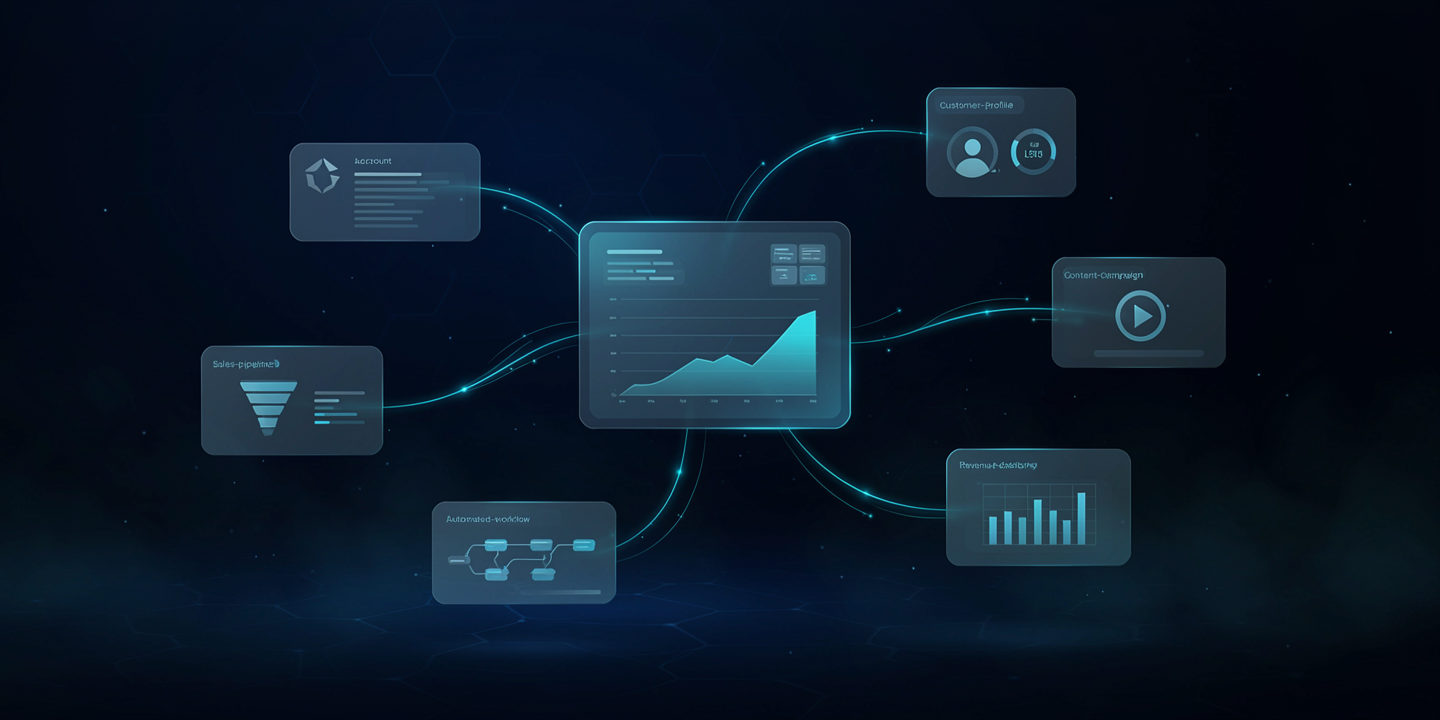
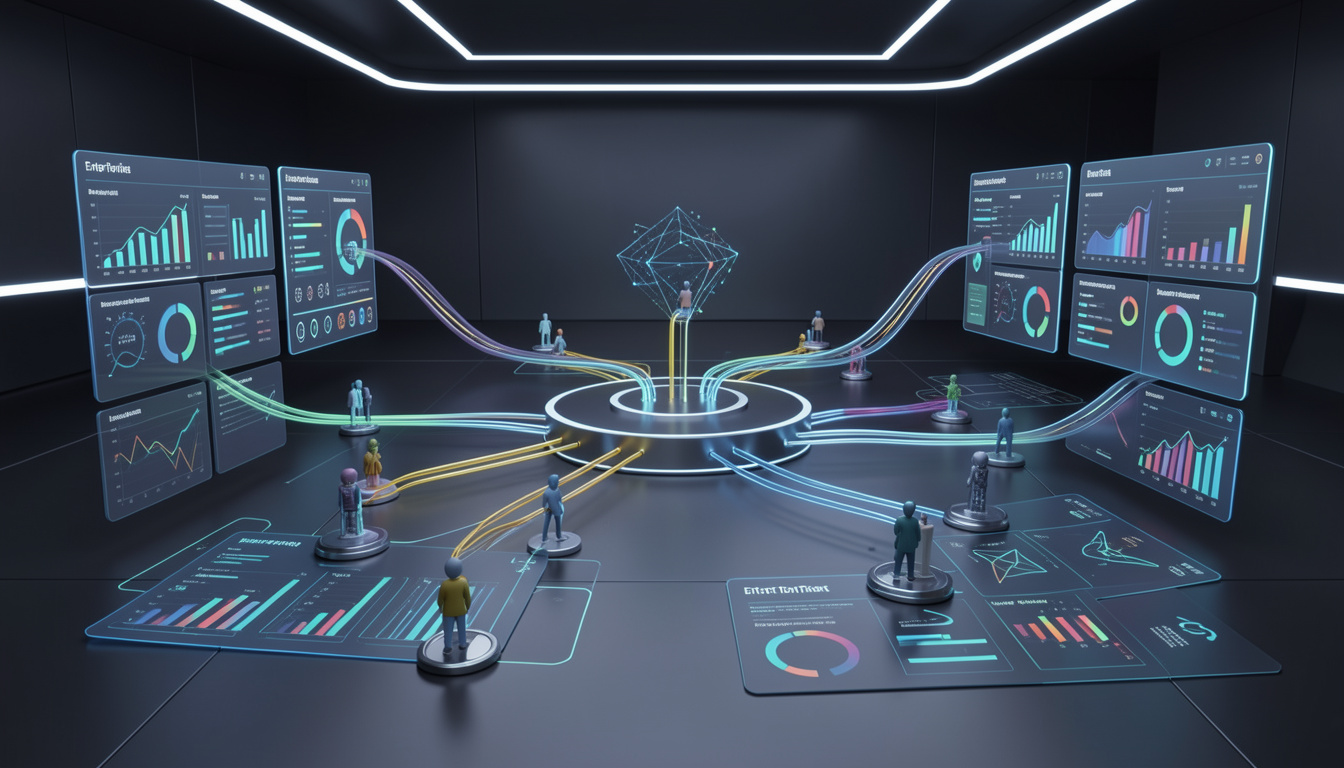
An AI marketing operating system brings these challenges together within a connected technology environment. Rather than treating artificial intelligence as a standalone tool, this approach integrates AI with marketing data, workflows, automation, customer insights, and campaign management.
As a result, marketing teams can create a more coordinated operating model that supports faster decisions and more relevant customer interactions.
How AI Is Changing Marketing Operations
Traditional marketing operations often depend on separate platforms for customer relationship management, analytics, advertising, content creation, email campaigns, and automation. Although these tools provide valuable capabilities, disconnected systems can make it difficult to maintain a complete view of the customer.
However, AI can help connect information across these environments. An AI marketing operating system can analyze data, identify patterns, automate repetitive activities, and support decision making across different marketing functions.
Moreover, AI can help teams understand customer behavior at a deeper level. Instead of simply reporting what happened, intelligent systems can help marketers identify why specific behaviors occurred and what actions may be appropriate next.
The Role of Data in Intelligent Marketing
Data is the foundation of modern marketing intelligence. Every interaction can provide useful information, including website activity, purchases, email engagement, social media behavior, and advertising responses.
Therefore, an effective AI marketing operating system needs access to accurate and well organized data. When information is connected across marketing platforms, AI models can generate more useful insights and support better personalization.
This is where data driven marketing becomes particularly valuable. Marketers can use behavioral information to understand audiences, identify emerging patterns, and adjust campaigns according to real customer signals.
Connecting Marketing Tools and Workflows
A modern MarTech ecosystem can contain dozens of platforms. Managing these technologies efficiently can become difficult when each system operates independently.
An AI marketing operating system can provide a more connected framework. Customer data, campaign workflows, analytics, content processes, and automation can work together instead of functioning as isolated activities.
Consequently, teams can reduce repetitive work and spend more time on strategy. Automated workflows can support campaign execution while AI assists with analysis, content development, audience segmentation, and optimization.
Improving Customer Experience
Customer expectations are changing rapidly. People increasingly expect brands to understand their preferences and provide relevant interactions across different channels.
As a result, customer experience strategies are becoming closely connected with marketing technology. AI can analyze customer signals and help marketers determine which content, offers, or communication channels may be most relevant.
For example, a customer who frequently interacts with educational content may receive a different communication journey from someone who consistently responds to promotional offers.
Meanwhile, marketers can use AI driven insights to identify friction points and improve customer journeys. This can make experiences more timely, consistent, and personalized.
AI and Marketing Automation
Automation has already transformed many marketing activities, but AI is expanding what automation can accomplish. Traditional automation generally follows predefined rules, while intelligent automation can respond to changing data and patterns.
For instance, an AI system may identify a shift in customer engagement and recommend changes to campaign timing or audience targeting. It can also help marketers prioritize opportunities based on predicted customer behavior.
Furthermore, AI can support content workflows by helping teams develop ideas, adapt messaging, and personalize communication. Human marketers remain essential, but AI can reduce repetitive tasks and accelerate execution.
Supporting Digital Marketing Innovations
The growth of AI is contributing to a wider wave of digital marketing innovations. Generative AI, predictive analytics, intelligent recommendations, conversational interfaces, and automated personalization are changing how brands interact with audiences.
Similarly, technology insights are becoming increasingly important for marketing leaders who need to understand which innovations can deliver measurable value.
Instead of adopting every new technology, organizations should focus on solutions that address specific business challenges. AI should improve marketing performance rather than simply add another layer of complexity.
Strengthening Brand Engagement
Strong customer relationships depend on meaningful interactions. AI can help brands understand what audiences care about and identify opportunities to create more relevant experiences.
Consequently, brand engagement strategies can become more personalized and responsive. AI can analyze content interactions, customer feedback, purchase behavior, and other signals to help marketers understand audience preferences.
However, personalization must remain responsible. Brands need to respect customer privacy, maintain transparency, and ensure that automated communication feels useful rather than intrusive.
Measuring Marketing Performance More Intelligently
Measurement is another area where AI can create significant value. Marketing teams can analyze campaign performance across multiple channels and identify patterns that may otherwise remain hidden.
An AI marketing operating system can help connect performance data with customer behavior. This enables marketers to move beyond basic metrics and develop a clearer understanding of how campaigns contribute to broader business outcomes.
Moreover, predictive analytics can help teams estimate future performance and identify areas that may require optimization. As a result, marketing decisions can become more proactive.
What the Future Holds
The future of marketing technology will increasingly involve intelligent systems that connect data, automation, creativity, and customer experience. As AI capabilities improve, marketing teams may rely more heavily on intelligent platforms to coordinate complex activities.
However, technology will not replace the strategic role of marketers. Human creativity, brand understanding, ethical judgment, and customer empathy will remain essential.
The strongest organizations will therefore combine AI capabilities with human expertise. They will use technology to process information faster while allowing marketing professionals to focus on ideas, relationships, positioning, and long term growth.
Practical Insights for Modern Marketing Teams
An AI marketing operating system should be viewed as an evolving foundation for modern marketing rather than a single software product. Its real value comes from connecting data, technology, people, and workflows around clear business objectives.
Marketing leaders should prioritize reliable data, connected platforms, responsible AI practices, and measurable customer outcomes. Additionally, teams should regularly evaluate whether automation is improving productivity and whether personalization is creating genuine customer value.
As the MarTech ecosystem continues to evolve, organizations that successfully combine AI with data driven marketing and customer focused strategies will be better positioned to adapt to changing expectations.
Explore More Marketing Technology Insights
Discover practical marketing technology insights, digital innovations, and emerging MarTech trends with MarTechInfoPro.com.
Explore MarTechInfoPro.com for expert perspectives that help modern brands turn technology into meaningful customer experiences.