Brands are no longer competing only for attention. They are competing for trust, relevance, and meaningful customer relationships. As audiences become more selective about the content they consume and the brands they interact with, businesses need marketing approaches that provide value before asking for a purchase.
An inbound marketing strategy focuses on attracting the right audience through useful content, personalized experiences, search visibility, and consistent engagement. Instead of interrupting customers with messages they may not want, brands create resources that help people solve problems and make informed decisions.
Consequently, inbound marketing has become closely connected with marketing technology, digital innovation, and customer experience.
Why Inbound Marketing Matters for Modern Brands
Traditional marketing can still generate awareness, but modern audiences increasingly expect brands to understand their needs. Therefore, businesses must create experiences that feel relevant rather than generic.
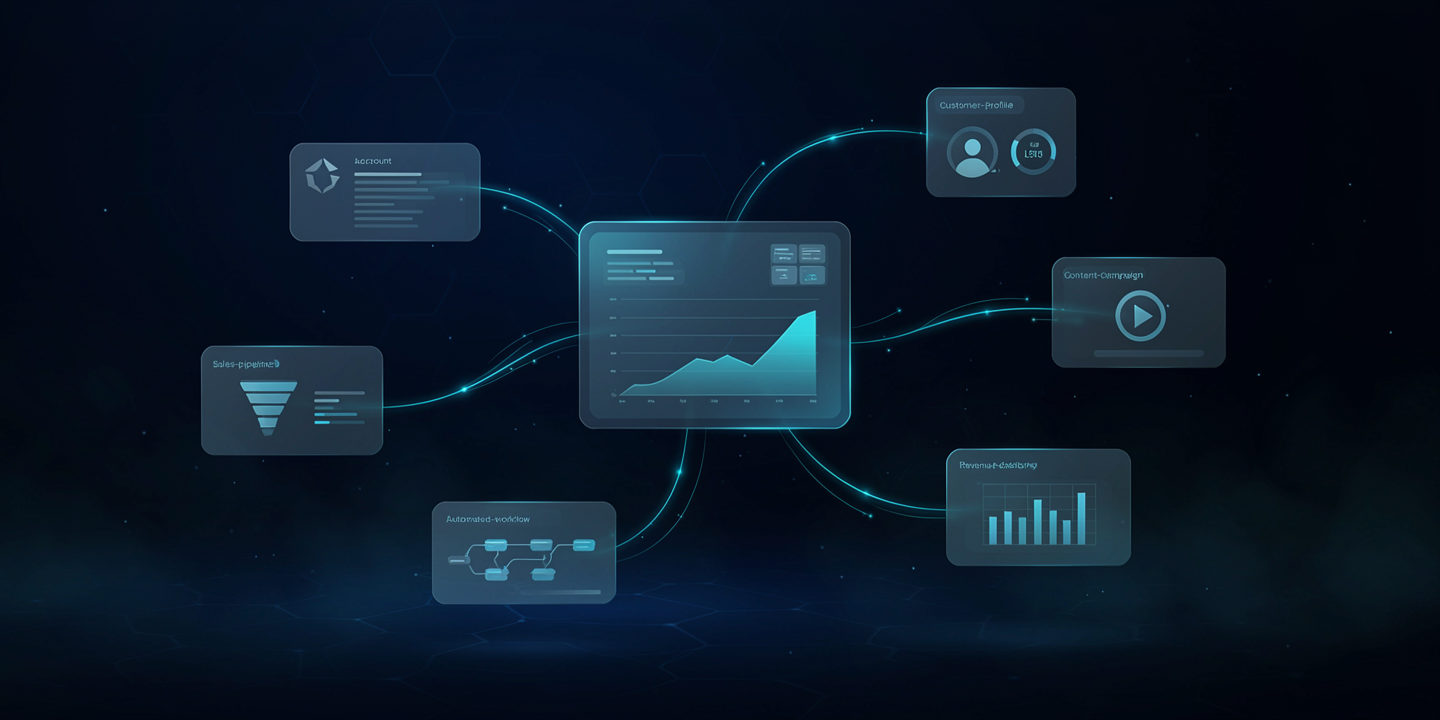
An effective inbound marketing strategy brings content, search optimization, social engagement, email communication, analytics, and automation together. Moreover, these activities can create a connected customer journey where every interaction contributes to a larger relationship.
Meanwhile, marketing teams can use technology to understand which content attracts visitors, what influences engagement, and where potential customers leave the journey. This visibility makes marketing more measurable and adaptable.
Creating Content That Attracts the Right Audience
Content remains one of the strongest foundations of inbound marketing. However, producing large volumes of content is not enough. The content must address genuine customer questions, challenges, interests, and purchasing concerns.
Educational articles, research driven insights, case studies, guides, videos, and industry perspectives can help establish credibility. Furthermore, content should reflect different stages of the customer journey so that visitors can find useful information whether they are discovering a problem or evaluating possible solutions.
As a result, businesses can move from simply generating website traffic toward building meaningful audience relationships.
Using Technology to Improve Customer Experience
Marketing technology has transformed how brands understand and communicate with customers. Customer relationship platforms, marketing automation systems, analytics solutions, content management platforms, and artificial intelligence tools can help marketers deliver more relevant experiences.
For example, businesses can use customer data to understand interests and engagement patterns. They can then create personalized messages based on customer behavior rather than relying entirely on broad audience assumptions.
Additionally, technology can help marketing teams identify opportunities to improve customer experience strategies. When businesses understand what customers need at different points in their journey, they can remove friction and make interactions more useful.
Data Driven Marketing and Smarter Decisions
Successful marketing increasingly depends on reliable data. Data driven marketing allows teams to evaluate campaign performance, understand audience behavior, and identify opportunities for improvement.
However, collecting data is only the beginning. Marketers need to interpret it effectively and connect insights with business objectives. Website activity, conversion behavior, email engagement, search performance, and customer feedback can reveal patterns that are difficult to identify through assumptions alone.
Therefore, analytics should support decision making rather than simply produce reports. When insights are connected to practical actions, marketing teams can continuously improve their strategies.
Personalization and Brand Engagement
Customers are more likely to engage when communication feels relevant. Personalization can help brands create stronger connections by adapting content, recommendations, offers, and messaging to audience interests.
Moreover, personalization does not always require complicated technology. Understanding customer segments and creating useful content for specific needs can already improve engagement.
Brand engagement strategies should also extend beyond promotional communication. Helpful educational content, interactive experiences, social conversations, newsletters, and community focused initiatives can create repeated opportunities for customers to interact with a brand.
Similarly, consistent communication across channels can make the overall brand experience feel more connected.
Digital Marketing Innovations Are Changing Inbound Growth
The MarTech ecosystem continues to evolve as artificial intelligence, predictive analytics, automation, conversational interfaces, and personalization become increasingly accessible.
Digital marketing innovations are helping marketers produce content more efficiently, identify customer intent, automate repetitive activities, and improve campaign targeting. However, technology should enhance marketing creativity rather than replace human understanding.
In contrast, brands that rely entirely on automation can create experiences that feel impersonal. Therefore, the strongest approach combines technology with human insight, creativity, empathy, and strategic thinking.
A strong marketing program needs measurable objectives. Website traffic can indicate awareness, while engagement, lead quality, conversion rates, customer retention, and revenue contribution can provide deeper insights into performance.
Consequently, marketers should evaluate the entire customer journey rather than focusing on a single metric. A campaign that generates fewer visitors but produces highly qualified prospects may be more valuable than a campaign that generates substantial traffic with little commercial impact.
Furthermore, regular performance analysis can reveal which channels and content formats deserve greater investment.
Staying Ahead of Marketing Trends
The marketing environment changes quickly. Search behavior is evolving, artificial intelligence is influencing content discovery, and customers increasingly expect personalized digital experiences.
Marketing trends analysis can help businesses identify emerging opportunities while avoiding short lived tactics that may not provide lasting value. Technology insights can also help marketers understand how new platforms and tools may influence customer journeys.
As a result, successful brands should remain curious and adaptable. They should test new ideas, measure outcomes, learn from customer behavior, and refine their approach continuously.
Practical Insights for Sustainable Brand Growth
An effective inbound marketing strategy is ultimately about creating value consistently. Brands that understand their audience, publish useful content, use data responsibly, improve customer experiences, and adopt technology thoughtfully can build stronger relationships over time.
Moreover, businesses should view marketing as an ongoing learning process. Customer expectations will continue to change, and new technologies will reshape how audiences discover, evaluate, and interact with brands.
The future belongs to organizations that can combine creativity with analytics and automation with genuine human connection. By keeping customer needs at the center of every decision, brands can create sustainable growth while building stronger digital experiences. Explore MarTechInfoPro.com for more expert perspectives on marketing technology, digital innovation, and emerging industry opportunities.