Artificial intelligence is becoming part of everyday life, but helping people feel comfortable using it remains a major marketing challenge. OpenAI’s latest festive campaign, The Notice, approaches this challenge through a familiar setting, an Indian family navigating a dispute over its ancestral property.
Launched in October 2026, the campaign presents ChatGPT as a practical assistant that can help people understand information, explore options, and work through difficult situations. Rather than focusing primarily on technical capabilities, the film builds its message around family relationships, emotional connections, and the importance of protecting a shared home.
This approach reflects a broader shift in marketing technology. Brands are increasingly using relatable storytelling to demonstrate how digital products fit into real lives. For OpenAI, the objective is to make conversational AI feel accessible to people across different generations, professions, and language backgrounds.
The Story Behind The Notice
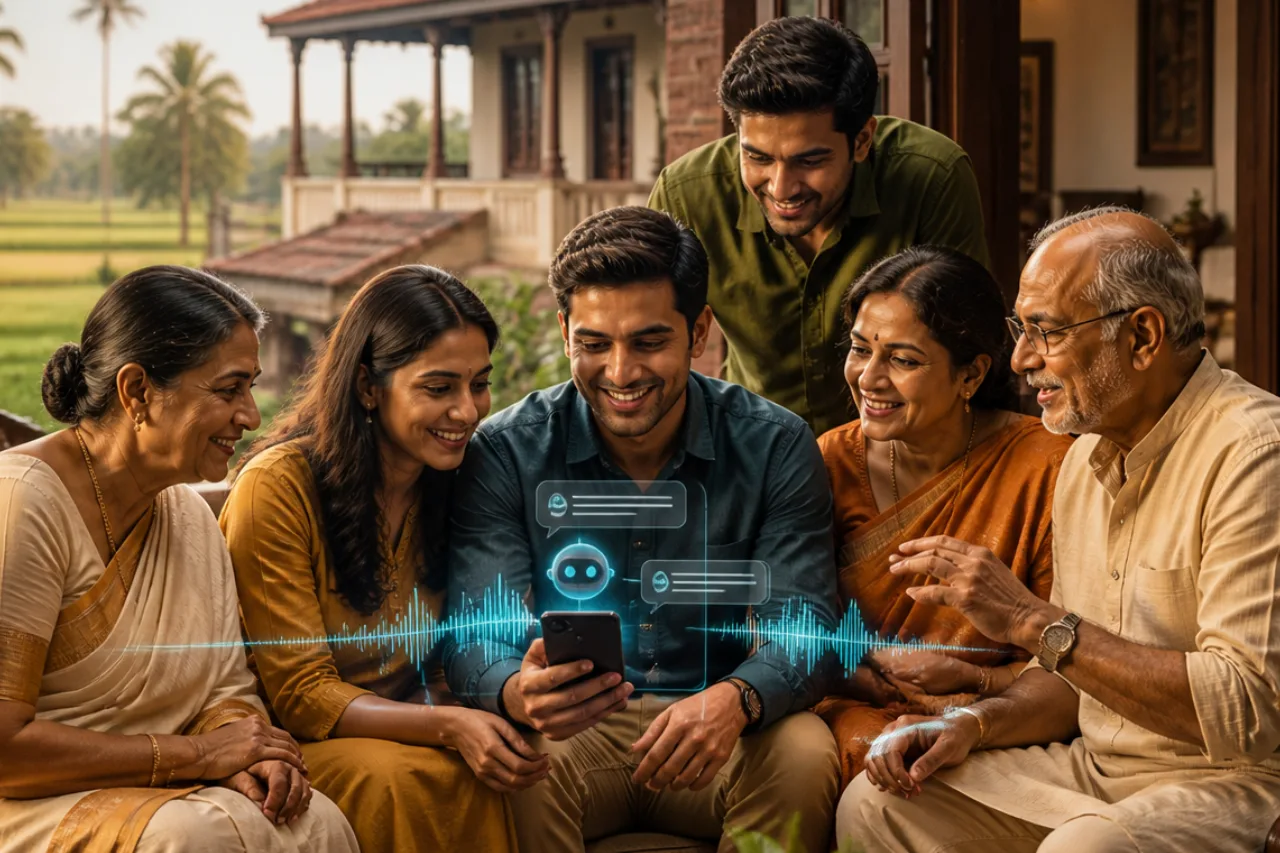
The campaign follows the Kumar family as it faces a property related challenge involving its ancestral home and farmland. When the family receives a notice connected to a property developer’s claim, its members turn to ChatGPT for assistance in understanding the situation and exploring possible next steps.
The narrative gives the technology a meaningful role in a familiar human experience. Instead of presenting artificial intelligence through abstract demonstrations, the film shows how people might use it when they need information, clarity, or support.
However, the story also highlights an important distinction between receiving AI assistance and making consequential decisions. Property disputes can involve complex legal requirements, documentation, and local regulations. ChatGPT can help users understand unfamiliar terminology and prepare questions, but important legal decisions require verification and appropriate professional guidance.
This balance makes the campaign relevant to discussions about responsible AI adoption and customer trust.
Hindi Voice Technology Makes AI More Accessible
A central element of the campaign is the introduction of Neer and Leher, new Hindi voices available through ChatGPT Voice with GPT Live 1.1. These voices are designed to make spoken interactions feel more natural and familiar to Indian users. <Cite refs={[“turn556898search4″,”turn556898search7”]}/>
Language is a significant factor in technology adoption. People may understand the value of an AI assistant but hesitate to use it when the interaction feels unfamiliar or requires them to communicate in a language they rarely use.
By bringing Hindi voice interactions into a culturally familiar story, OpenAI demonstrates how digital marketing innovations can communicate product value more effectively. The message is not simply that ChatGPT has new technical features. It is that people can interact with the technology in ways that better reflect their everyday communication.
Moreover, voice based experiences may help make AI more approachable for users who prefer speaking over typing. For businesses developing digital products, this illustrates why accessibility, localization, and conversational design increasingly matter to the overall customer experience.
Emotional Storytelling as a Brand Engagement Strategy
The Notice illustrates how emotional storytelling can strengthen brand engagement strategies. The family home serves as more than a physical setting. It represents shared memories, security, identity, and the future of several generations.
By connecting ChatGPT with these concerns, the campaign gives audiences a reason to consider how the technology might help them in their own lives. This is different from traditional feature led advertising, which often concentrates on speed, technical specifications, or product functionality.
Similarly, the campaign reflects a growing preference for marketing that demonstrates usefulness through recognizable situations. When audiences understand the problem before seeing the product in action, the technology becomes easier to understand and remember.
Nevertheless, emotional storytelling must be supported by genuine product value. A compelling advertisement may encourage initial interest, but continued adoption depends on whether the product delivers useful, reliable experiences after the campaign ends.
What Marketers Can Learn From OpenAI’s Approach
For marketing professionals, OpenAI’s The Notice offers several useful technology insights into how product communication is evolving. The campaign connects a new feature with a real world challenge instead of expecting audiences to understand its value through technical explanations alone.
This approach can inform customer experience strategies across industries. Financial services companies, healthcare technology providers, educational platforms, and consumer applications can demonstrate their value through situations that customers recognize, while remaining clear about product limitations.
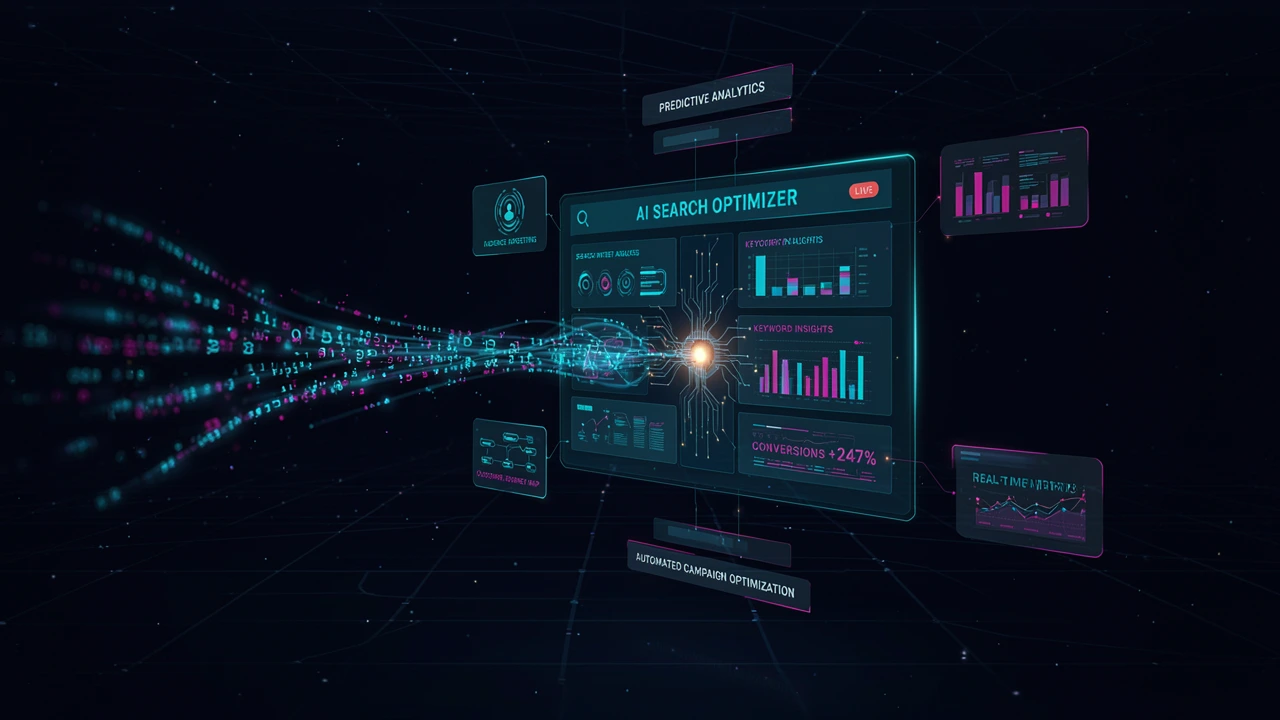
Additionally, marketing teams can use data driven marketing to understand which stories resonate with different audiences. Engagement rates, video completion, product discovery, voice feature adoption, and customer feedback can help teams evaluate whether a campaign builds awareness and encourages meaningful usage.
However, marketers should distinguish attention from actual business impact. High video views do not necessarily translate into sustained product adoption. Combining campaign analytics with longer term engagement measures provides a more complete picture of effectiveness.
The Future of Localized AI Marketing
OpenAI’s campaign also reflects wider marketing trends analysis around localization and conversational technology. As AI products expand into diverse markets, brands need to consider not only what their products can do but also how people prefer to interact with them.
For India, this means understanding regional languages, household dynamics, local aspirations, and differences in digital confidence. Localized campaigns can help introduce unfamiliar technologies without losing sight of the cultural contexts in which people make decisions.
Meanwhile, advances in voice interfaces and AI assisted experiences are creating new opportunities for personalized customer interactions. These developments may influence how brands provide support, explain complex services, and maintain relationships with users across digital channels.
The practical lesson is that technology adoption depends on more than innovation alone. Clear communication, cultural relevance, trustworthy experiences, and measurable customer value will remain essential as the MarTech ecosystem develops.
Explore more expert marketing technology insights and digital innovation trends on MarTechInfoPro.com.
Discover practical strategies to strengthen customer engagement and build more effective data driven marketing experiences.
Source : campaignindia.in