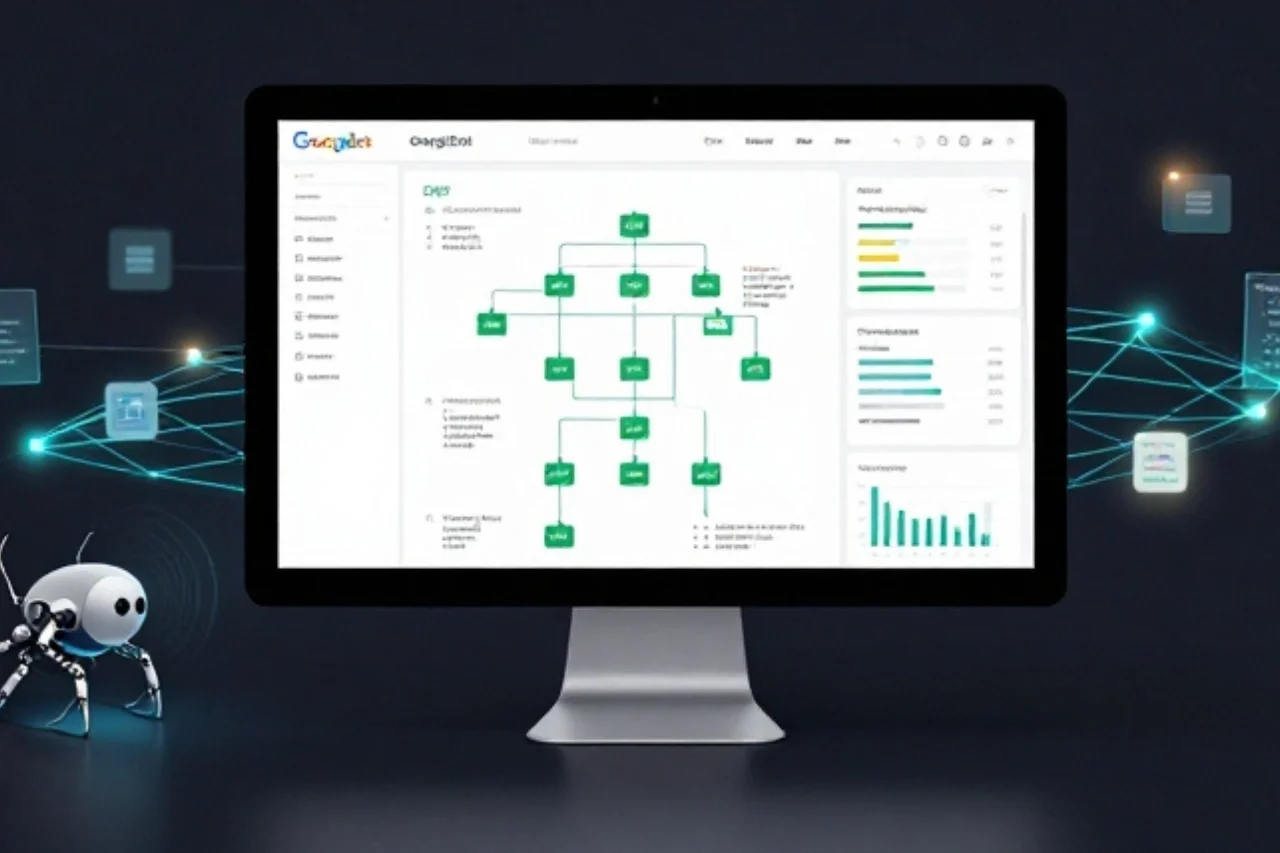
Search engines depend on automated systems to discover, access and understand information across the web. At the centre of Google’s discovery process is Googlebot, the crawler that retrieves website content so Google can evaluate it for potential inclusion in search results. Understanding how Googlebot works helps businesses build stronger technical SEO foundations and make informed decisions about their digital marketing strategies.
For marketers, crawling is more than a technical process. It influences how efficiently new pages are discovered, how updated information becomes available to search systems and whether important content can enter Google’s indexing pipeline. Consequently, understanding Googlebot provides valuable technology insights for businesses seeking sustainable organic visibility.
As websites become more interactive and content rich, the relationship between crawling, fetching and content processing has become increasingly important for the evolving MarTech ecosystem.
How Googlebot Discovers and Crawls Web Pages
Crawling begins when Googlebot discovers URLs through previously known pages, links and submitted sitemaps. It then determines which URLs may need to be visited, subject to scheduling, resource availability and website specific crawling constraints.
However, discovering a URL does not automatically mean Googlebot will crawl it immediately. Large websites, frequently updated platforms and sites with extensive URL variations can create substantial crawling demands. Google therefore allocates resources according to multiple factors, including crawl capacity and the demand for particular content.
For businesses, this makes website architecture an important consideration. Clear internal links, logical navigation and accurate XML sitemaps help search engines discover important pages more efficiently. Additionally, avoiding unnecessary URL duplication can reduce the number of low value pages competing for crawling resources.
These practices support data driven marketing by helping teams identify whether their most valuable landing pages and product pages are accessible to search engines.
Fetching Content and Understanding the Bytes Processed
Once a URL is selected for crawling, Googlebot requests the resource from the website server. The server responds with information such as an HTTP status code, response headers and, where available, the page content.
The bytes transferred during this exchange represent the actual data delivered over the connection. This can include HTML documents, JavaScript files, CSS stylesheets, images and other resources required to display or interpret a page.
Nevertheless, fetching a page does not guarantee that every associated resource will be retrieved or processed successfully. Server errors, access restrictions, network problems and resource limitations can interfere with the process. In addition, the amount of data transferred is not the same as the amount of content Google ultimately indexes.
Website owners should therefore monitor server response times, HTTP errors and resource accessibility. Efficient delivery can make websites more reliable for both search crawlers and visitors, supporting better technical performance across the customer journey.
JavaScript Rendering and Modern Website Experiences
Modern websites increasingly depend on JavaScript frameworks to deliver interactive experiences. Although Googlebot can process JavaScript, rendering may involve additional stages after the initial HTML is fetched. Google processes pages through its rendering infrastructure to help understand content generated by JavaScript.
However, rendering introduces additional technical considerations. Content that depends on complex scripts, delayed API responses or inaccessible resources may not be available as expected. Similarly, important navigation links and page information can become harder to discover if they are implemented incorrectly.
For digital marketing teams, the practical lesson is to make essential content accessible and test how search engines interpret important pages. Server side rendering or pre rendering can help in suitable situations, although neither is mandatory for every website.
These digital marketing innovations should ultimately serve people first. Fast loading pages, clear product information and accessible navigation improve customer experience strategies while supporting reliable search discovery.
Crawl budget describes the crawling resources Google can and wants to allocate to a website. It is especially relevant to large sites with extensive inventories, changing URLs or complex technical structures. Smaller websites generally do not need to manage crawl budget as a separate optimisation project.
Nevertheless, unnecessary URL variations, redirect chains, soft errors and duplicate pages can make crawling less efficient. For example, an ecommerce website that generates numerous filter combinations may expose search engines to many URLs containing substantially similar information.
Marketing teams can work with developers to identify these issues through server logs, crawling tools and Google Search Console. Reviewing crawl statistics alongside organic landing page performance helps organisations distinguish technical access problems from broader ranking or content quality challenges.
Moreover, effective marketing trends analysis should consider crawling as one part of the SEO process rather than a direct measure of success. A frequently crawled page is not automatically a high ranking page, and reduced crawling does not necessarily indicate a problem.
Connecting Googlebot Insights With the MarTech Ecosystem
Technical SEO becomes more valuable when its findings inform broader marketing decisions. Search Console data, website analytics, content management systems and customer relationship management platforms can collectively help teams understand how organic discovery contributes to business outcomes.
For instance, if important service pages are not being discovered efficiently, marketers can investigate internal linking, sitemap coverage and server responses before investing further in content promotion. Similarly, analysing organic landing page engagement can reveal whether technically accessible pages deliver relevant information to visitors.
However, crawling data alone cannot explain every change in conversions or rankings. Businesses should combine technical evidence with user behaviour, content quality and competitive analysis. Strong brand engagement strategies depend on connecting reliable website infrastructure with useful content and meaningful customer interactions.
What Businesses Should Prioritise Next
As websites adopt richer interfaces and AI supported experiences, the fundamentals of crawling and fetching remain essential. Businesses should prioritise accessible content, clean URL structures, reliable servers and accurate monitoring rather than attempting to influence Googlebot through unnecessary technical complexity.
Inside Googlebot, the journey from URL discovery to content processing demonstrates why technical SEO requires collaboration between developers, analysts and marketers. Organisations that combine these technology insights with practical experimentation can identify problems earlier and make better informed optimisation decisions.
Explore more expert marketing technology insights and SEO developments at MarTechInfoPro.com.
Source : google.com