The Rise of Sensory Driven Brand Experiences
In an era where digital saturation is at its peak, brands are constantly searching for new ways to stand out. Haptic marketing has emerged as a powerful approach that reconnects consumers with physical experiences. While screens dominate communication, the human desire for touch remains deeply rooted. This shift is shaping how organizations think about engagement across the evolving IT ecosystem.
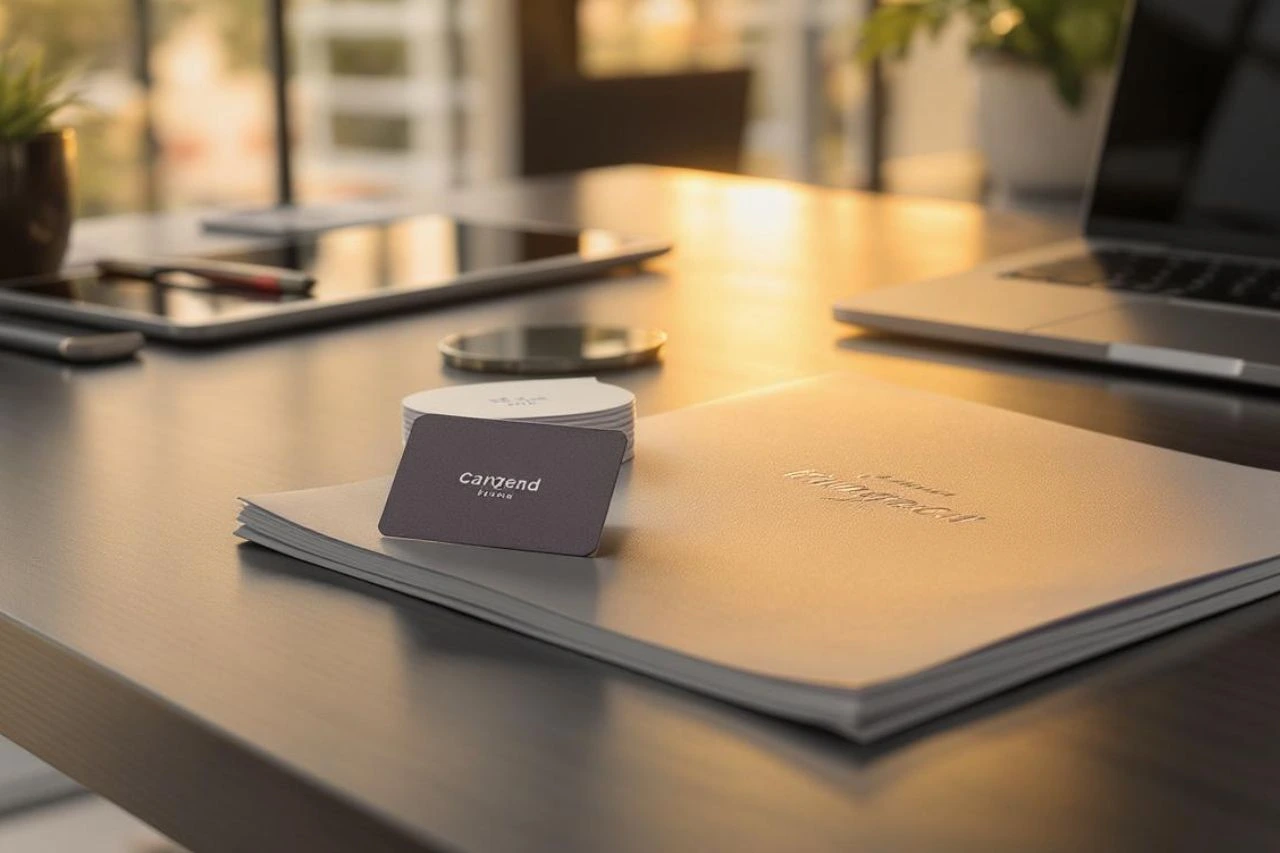
Haptic marketing goes beyond traditional print by incorporating texture, material, and sensory cues into design. As technology continues to redefine communication channels, businesses are blending digital transformation with tactile experiences to create memorable interactions. This trend is gaining attention in technology insights and IT industry news as brands explore innovative ways to connect with audiences.
Why Touch Matters in a Digital First World
Despite the rapid growth of automation and artificial intelligence, human perception still relies heavily on physical interaction. Touch creates emotional connections that digital interfaces often struggle to replicate. Therefore, haptic marketing is becoming a bridge between digital efficiency and human experience.
When consumers interact with textured packaging or embossed print materials, they tend to perceive the brand as more trustworthy and premium. This psychological response is supported by ongoing marketing trends analysis, which shows that multisensory engagement significantly improves recall and brand affinity. As a result, companies are investing in tactile strategies to enhance credibility and customer loyalty.
The Role of Technology in Haptic Innovation
Modern haptic marketing is not just about paper and ink. It is powered by advanced printing technologies, smart materials, and data driven personalization. Digital transformation has enabled brands to create highly customized tactile experiences that align with user preferences and behavior.
For instance, variable data printing allows businesses to tailor textures and finishes based on customer segments. Meanwhile, innovations in material science are introducing sustainable and interactive surfaces that respond to touch. These developments are frequently highlighted in IT industry news as they reshape how physical and digital marketing strategies intersect.
Additionally, integration with augmented reality creates a seamless blend of touch and digital interaction. A printed brochure can trigger immersive digital content, enhancing engagement while maintaining the sensory appeal of physical media. This convergence is redefining how brands approach storytelling.
Building Trust Through Tangibility
Trust has become a critical currency in today’s competitive landscape. With rising concerns about data privacy and digital fatigue, consumers are seeking authenticity. Haptic marketing addresses this challenge by offering tangible proof of a brand’s commitment to quality.
Physical materials convey permanence and reliability. When a customer receives a well designed tactile print piece, it signals effort and attention to detail. Consequently, this builds a sense of credibility that purely digital campaigns often lack. This concept is increasingly discussed in sales strategies and research, where tangible touchpoints are shown to influence purchasing decisions.
Moreover, industries such as finance and healthcare are leveraging tactile design to reinforce trust. Finance industry updates reveal that premium print materials are being used to communicate security and stability, especially in high value transactions. Similarly, healthcare providers are adopting sensory design to create comfort and reassurance.
The Intersection of Haptic Marketing and Workforce Experience
Interestingly, the impact of haptic marketing extends beyond customer engagement. It is also influencing internal communication and employee experience. HR trends and insights highlight how tactile materials are being used in onboarding kits, training resources, and corporate branding.
Employees who interact with thoughtfully designed physical materials often feel a stronger connection to the organization. This sense of belonging contributes to improved engagement and productivity. Additionally, tactile branding helps reinforce company values in a more memorable way compared to digital documents alone.
As organizations continue to embrace hybrid work environments, combining digital tools with physical touchpoints is becoming essential. Haptic marketing plays a subtle yet powerful role in maintaining human connection within distributed teams.
Sustainability and Ethical Design in Tactile Marketing
As environmental concerns grow, brands are rethinking how haptic marketing aligns with sustainability goals. The use of eco friendly materials and responsible production methods is becoming a key consideration. Therefore, innovation in this space is focused on balancing sensory appeal with environmental impact.
Recycled paper, biodegradable coatings, and low waste printing processes are gaining traction. Technology insights reveal that companies are investing in sustainable alternatives without compromising on quality or experience. This shift not only supports environmental responsibility but also enhances brand perception among conscious consumers.
Additionally, transparency in sourcing and production is becoming a differentiator. Brands that communicate their sustainability efforts through tactile design are more likely to build trust and loyalty.
The Future of Haptic Marketing in a Connected Ecosystem
Looking ahead, haptic marketing is expected to evolve alongside advancements in artificial intelligence, data analytics, and smart materials. The integration of tactile elements with connected devices could open new possibilities for personalized and interactive experiences.
Imagine print materials that adapt their texture based on environmental conditions or user interaction. Such innovations could redefine engagement in sectors ranging from retail to education. Moreover, the combination of haptic feedback with wearable technology may further blur the line between physical and digital experiences.
As the IT ecosystem continues to expand, haptic marketing will play a crucial role in humanizing technology. It offers a reminder that even in a highly digital world, physical connection remains a powerful driver of trust and engagement.
Practical Insights for Brands Exploring Haptic Strategies
For organizations considering haptic marketing, the key lies in aligning tactile design with brand identity and customer expectations. It is not about adding texture for the sake of novelty, but about creating meaningful experiences that resonate with the audience.
Brands should focus on understanding how touch influences perception within their specific industry. Additionally, integrating tactile elements with digital campaigns can amplify impact and ensure consistency across channels. Collaboration between designers, technologists, and marketers is essential to unlock the full potential of this approach.
As marketing trends analysis continues to highlight the importance of experience driven engagement, haptic marketing stands out as a valuable tool for differentiation. It allows brands to create lasting impressions in a crowded marketplace.
Future Outlook and Industry Perspective
Haptic marketing is set to become a defining element of modern brand strategy. As digital transformation accelerates, the need for authentic and human centered experiences will only grow stronger. Organizations that embrace tactile innovation will be better positioned to build trust and foster meaningful connections.
The convergence of technology, design, and sensory engagement will shape the next wave of marketing evolution. Businesses that stay informed through technology insights and adapt to these changes will gain a competitive advantage in the dynamic IT ecosystem.
MarTechInfoPro delivers insightful content that empowers marketing and technology decision makers to make informed choices. It bridges the gap between buyers and sellers through engaging blogs, the latest industry news, in depth whitepapers, and other valuable resources.