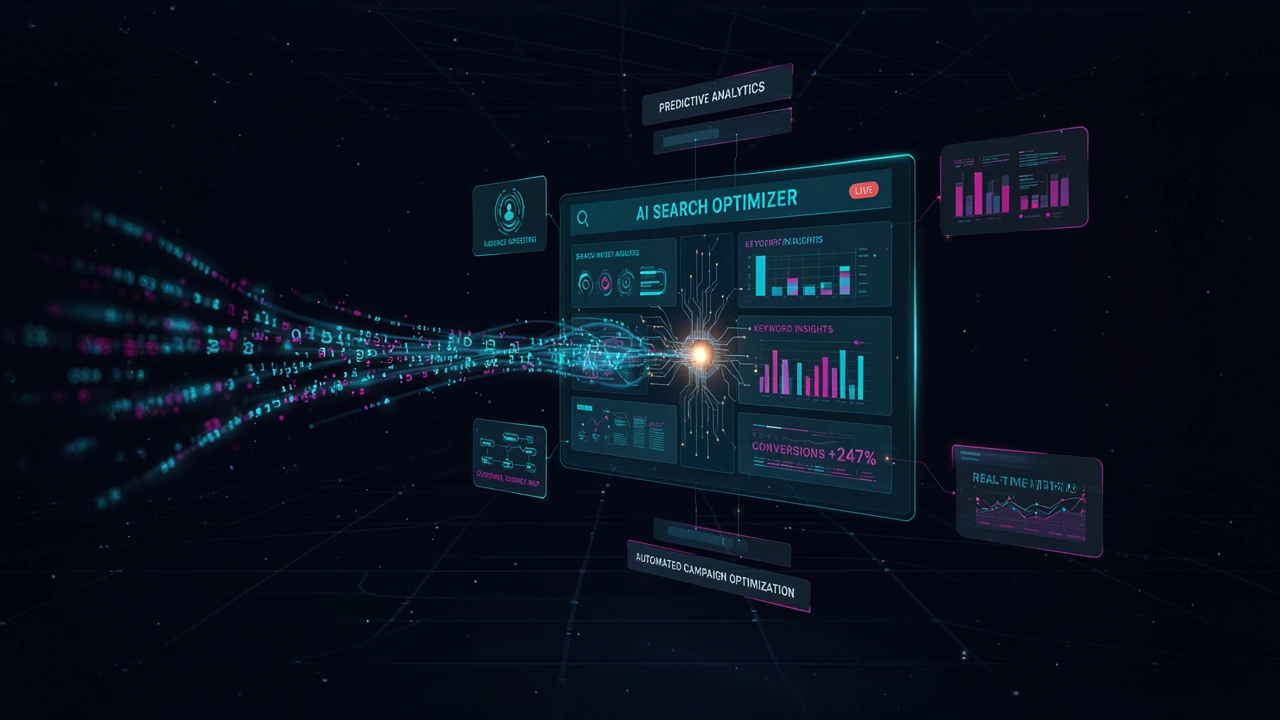
Marketing has never evolved as quickly as it is today. Artificial intelligence, automation, predictive analytics, and changing consumer behavior continue to reshape how brands connect with their audiences. Yet many professionals still rely on outdated advice that no longer reflects the realities of the modern digital landscape. The discussion around Marketers Are Learning the Wrong Best Practices highlights an important challenge facing organizations that want to remain competitive in an increasingly technology driven world.
Moreover, marketers often follow strategies simply because they are widely shared rather than because they consistently deliver measurable results. Consequently, businesses may invest time and resources in approaches that fail to create meaningful customer engagement or sustainable growth.
The Problem With Copying Popular Strategies
Many marketing teams believe that replicating successful campaigns from well known brands will produce similar outcomes. However, every business serves different audiences, operates within unique markets, and faces distinct competitive challenges.
Therefore, strategies should always be adapted rather than copied. Customer expectations, buying behavior, and digital channels vary significantly across industries. Organizations that develop original approaches based on their own audience insights often outperform those that rely solely on generic recommendations.
Similarly, the rapid pace of technological change means that practices considered effective just a year ago may already require significant adjustments.
Data Should Guide Every Marketing Decision
One of the biggest misconceptions in modern marketing is that creativity alone guarantees success. Creative storytelling remains valuable, yet measurable performance is equally important. Data driven marketing enables organizations to understand customer behavior, evaluate campaign effectiveness, and optimize future initiatives with greater confidence.
Additionally, advanced analytics reveal patterns that are difficult to identify through intuition alone. As a result, marketing teams can make informed decisions that improve customer acquisition, engagement, and retention while reducing unnecessary spending.
Businesses that combine creativity with accurate data analysis create stronger campaigns because every decision is supported by meaningful customer insights.
Customer Experience Has Become the True Competitive Advantage
Consumers no longer evaluate brands only by the products they offer. Instead, they judge every interaction across websites, mobile applications, social media, email communication, and customer support.
Therefore, successful organizations prioritize Customer experience strategies throughout the entire customer journey. Personalization, responsive communication, and seamless digital experiences encourage trust while strengthening long term relationships.
Moreover, businesses that actively listen to customer feedback can continuously improve their marketing efforts. Consequently, customer satisfaction becomes an important driver of sustainable business growth rather than a secondary objective.
Technology Is Changing the Definition of Best Practices
Artificial intelligence and automation are transforming marketing faster than ever before. Content generation, audience segmentation, campaign optimization, and predictive analytics now operate with greater speed and precision.
However, technology should support strategic thinking rather than replace it. Human creativity, emotional understanding, and ethical decision making remain essential for building authentic brand relationships.
Organizations that embrace Digital marketing innovations while maintaining a customer focused mindset are better positioned to adapt to changing market conditions. Furthermore, continuous learning allows marketing professionals to remain competitive as new technologies emerge.
Building Stronger Brand Relationships
Modern consumers value authenticity more than polished promotional messages. Consequently, organizations should focus on creating meaningful conversations rather than simply increasing advertising volume.
Effective Brand engagement strategies encourage brands to educate, inspire, and provide genuine value before asking customers to make purchasing decisions. Meanwhile, consistent communication across every digital touchpoint strengthens brand recognition and customer loyalty.
Similarly, organizations that invest in transparent communication often develop stronger emotional connections with their audiences, leading to higher retention and increased advocacy.
Learning From Trends Without Following Them Blindly
Industry trends provide valuable direction, but they should never replace strategic thinking. Businesses benefit from monitoring Technology insights and conducting regular Marketing trends analysis to understand how consumer expectations continue evolving.
Additionally, marketers should evaluate whether new technologies genuinely improve business outcomes before implementing them. As a result, organizations avoid investing in short lived trends that fail to deliver measurable value.
Successful marketing teams treat industry developments as opportunities for experimentation rather than fixed rules. This mindset encourages innovation while reducing the risks associated with blindly following popular practices.
The Future Belongs to Adaptive Marketers
Marketing will continue evolving alongside advances in artificial intelligence, customer analytics, and digital platforms. Organizations that remain flexible and willing to question outdated assumptions will be better prepared for future opportunities.
Understanding why Marketers Are Learning the Wrong Best Practices encourages businesses to prioritize customer value, measurable performance, and continuous improvement over temporary marketing trends. Moreover, combining Technology insights, Marketing trends analysis, Customer experience strategies, Digital marketing innovations, Data driven marketing, and Brand engagement strategies creates a stronger foundation for long term success.
Businesses that embrace learning, experimentation, and strategic innovation will continue building stronger customer relationships while achieving sustainable growth in the evolving MarTech ecosystem.
Practical Insights for Smarter Marketing Success
The most effective marketing strategies are those that evolve with customer expectations and technological advancements. Organizations should regularly review campaign performance, test new approaches, and refine their messaging using reliable data rather than assumptions. Maintaining a balance between innovation and customer centric thinking allows brands to remain relevant in an increasingly competitive marketplace.
Visit MarTechInfoPro.com regularly for trusted guidance that helps marketers create smarter campaigns, stronger customer relationships, and measurable business success.