Understanding Malware Risks on LinkedIn
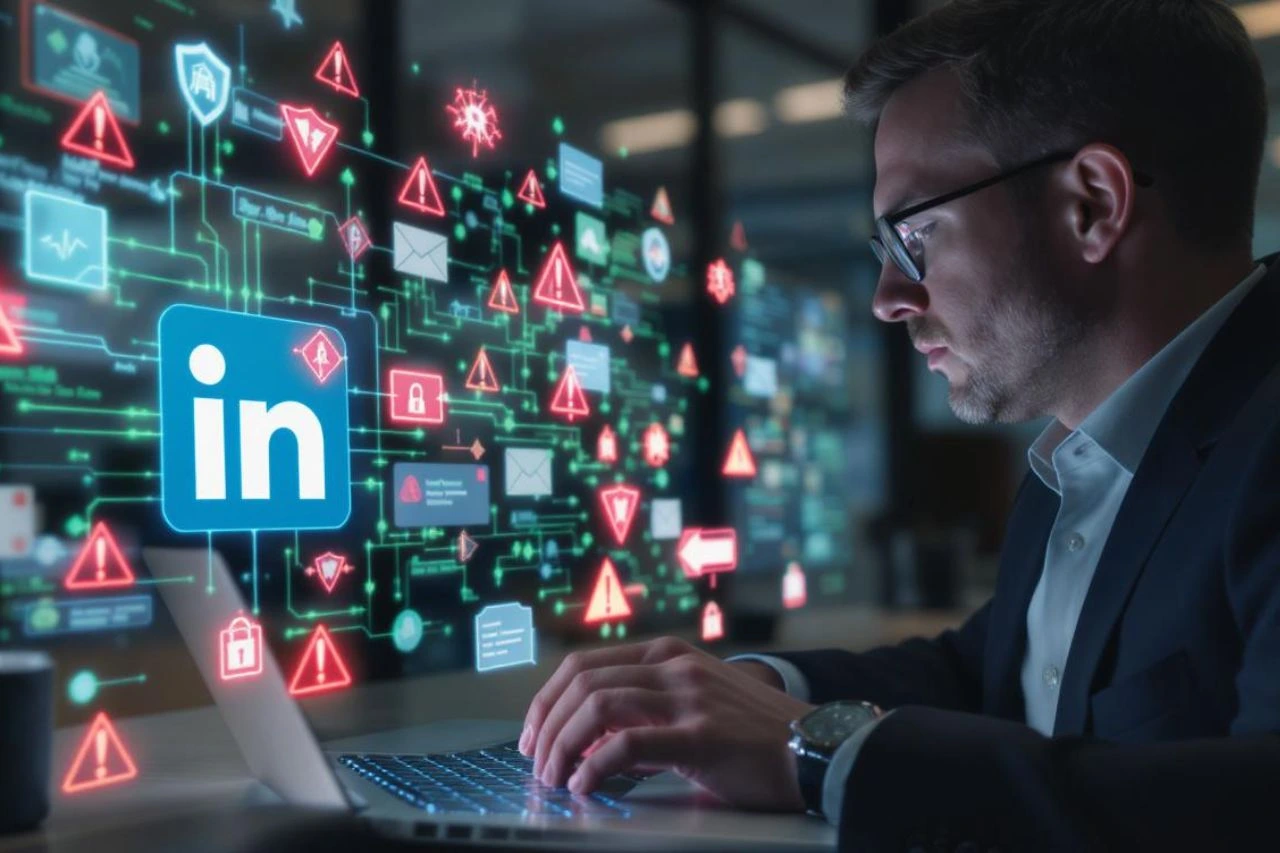
LinkedIn has become a central platform for professional networking, recruiting, and business development. However, its popularity has also made it a target for cyber threats. Malware attacks on LinkedIn can compromise personal data, corporate systems, and sensitive financial information. Awareness of these risks is increasingly highlighted in IT industry news as organizations adapt to the digital transformation of professional communication.
Malware on LinkedIn can appear in many forms including phishing messages, infected documents, or malicious links. Employers and jobseekers alike must remain vigilant as cybercriminals exploit trust and professional curiosity to gain unauthorized access to systems. Technology insights suggest that understanding the threat landscape is the first step in building effective defenses.
How Cyber Threats Evolve in Professional Networks
As digital platforms continue to innovate, malware strategies are evolving to bypass traditional security measures. Attackers often use social engineering techniques that appear authentic, such as fake job offers, recruitment messages, or connection requests from seemingly credible profiles. This trend is increasingly reported in HR trends and insights as professionals face new security challenges in virtual recruitment and networking.
Meanwhile, the growing integration of LinkedIn with enterprise IT ecosystems presents additional risks. Unauthorized access or malware infiltration can spread rapidly across corporate systems, affecting employee accounts, sales data, and financial records. Finance industry updates emphasize that these breaches can lead to significant operational and reputational losses.
Guidance for Employers to Mitigate Risks
Organizations need to adopt proactive strategies to protect both their workforce and company data. Regular employee training on recognizing suspicious activity is crucial. Employees should be encouraged to verify connection requests, avoid downloading unknown files, and report potential threats promptly. This approach aligns with sales strategies and research that show educated teams are far less likely to fall victim to cyber attacks.
Additionally, companies should implement robust security protocols such as multi factor authentication and endpoint protection. Monitoring unusual account activity can also help detect malware early. Marketing trends analysis shows that combining technology solutions with employee awareness programs significantly reduces exposure to threats while maintaining productivity in a digitally transformed workplace.
Advice for Jobseekers Navigating LinkedIn Safely
Jobseekers are often targeted because of the sensitive personal and professional information they share online. To safeguard against malware, candidates should carefully evaluate the authenticity of messages, job postings, and connection requests. Checking profiles for credibility, researching companies before applying, and avoiding clicking on unfamiliar links can prevent exposure to malicious content.
Moreover, maintaining updated antivirus and anti malware software across all devices adds an essential layer of protection. Technology insights reinforce that a cautious approach to online networking not only protects personal data but also supports professional credibility.
The Role of Technology in Strengthening Cybersecurity
The fight against malware on LinkedIn is increasingly powered by technological innovation. Artificial intelligence and machine learning are being integrated into threat detection systems to identify suspicious behavior and prevent attacks before they escalate. IT industry news frequently covers advancements in cybersecurity that benefit social networks, enterprise platforms, and individual users alike.
Moreover, data analytics allow companies to monitor patterns of attacks and adjust their security strategies proactively. By leveraging these tools, organizations can reduce the likelihood of breaches while ensuring compliance with data privacy regulations. HR trends and insights suggest that integrating technology with human vigilance creates a balanced approach to security.
Collaboration Between Employers and Employees
Preventing malware on LinkedIn requires a collaborative effort. Employers must provide guidance, resources, and policies, while employees and jobseekers must remain alert and informed. Regular communication about emerging threats, best practices, and lessons from real incidents fosters a culture of cybersecurity awareness.
Similarly, cross departmental collaboration between IT, HR, and finance teams ensures that threats are managed efficiently and do not disrupt business continuity. Finance industry updates highlight that early detection and collective response significantly reduce financial and reputational risks.
Future Outlook for LinkedIn Security
As LinkedIn continues to innovate with new features and integrations, the threat landscape will also evolve. Employers and jobseekers should anticipate more sophisticated malware tactics, including AI generated phishing and advanced social engineering schemes. Keeping pace with these developments through continuous learning and technology updates is essential.
Marketing trends analysis indicates that platforms investing in advanced security measures will see improved trust among users. Consequently, a proactive approach combining education, technology, and policy will define the future of safe professional networking.
Practical Insights for a Safer Professional Experience
Employers and jobseekers alike can benefit from establishing strong habits around digital hygiene. Verifying profiles, questioning unexpected messages, using secure devices, and staying informed through reliable technology insights are key steps. Similarly, organizations should continuously evaluate their IT security infrastructure and adapt to new threats in the evolving ecosystem.
Staying aware of trends in malware tactics, security solutions, and industry updates ensures that professional interactions on LinkedIn remain secure and productive. Building trust and protecting data should be treated as integral to professional and business success.
MarTechInfoPro delivers insightful content that empowers marketing and technology decision makers to make informed choices. It bridges the gap between buyers and sellers through engaging blogs, the latest industry news, in depth whitepapers, and other valuable resources.
Source – marketingtechnews.net