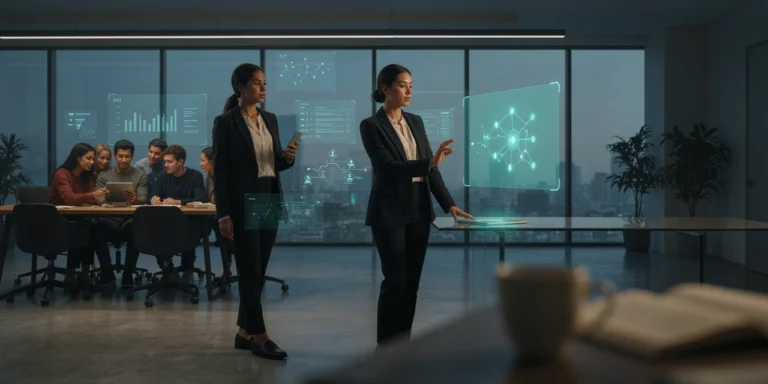
Artificial intelligence is changing what it means to work in marketing. Campaign planning, content creation, customer research, analytics, and advertising are increasingly supported by intelligent systems. As a result, some professionals are adopting the title marketing engineer to describe a role that combines marketing expertise with technical capabilities.
Recent industry reporting shows that job listings using the term marketing engineer increased 29 percent over the past year. However, the number of professionals formally taking on the title remains relatively small, showing that the role is still emerging.
The change is about more than job titles. It reflects a broader transformation in how marketing teams use technology to create, measure, and improve customer interactions.
Why Marketers Are Becoming Builders
Traditional marketing has focused heavily on strategy, creative development, audience research, and campaign execution. Today, however, marketers increasingly need to understand how the systems behind those activities work.
AI agents can analyze competitors, organize customer information, generate campaign variations, monitor advertising performance, and automate repetitive workflows. Therefore, marketers who understand how to configure and manage these systems can move faster while reducing manual effort.
This shift is creating demand for professionals who can connect marketing objectives with automation, data, APIs, analytics, and artificial intelligence. Consequently, the modern marketer is becoming part strategist and part technology builder.
The Rise of the Marketing Engineer
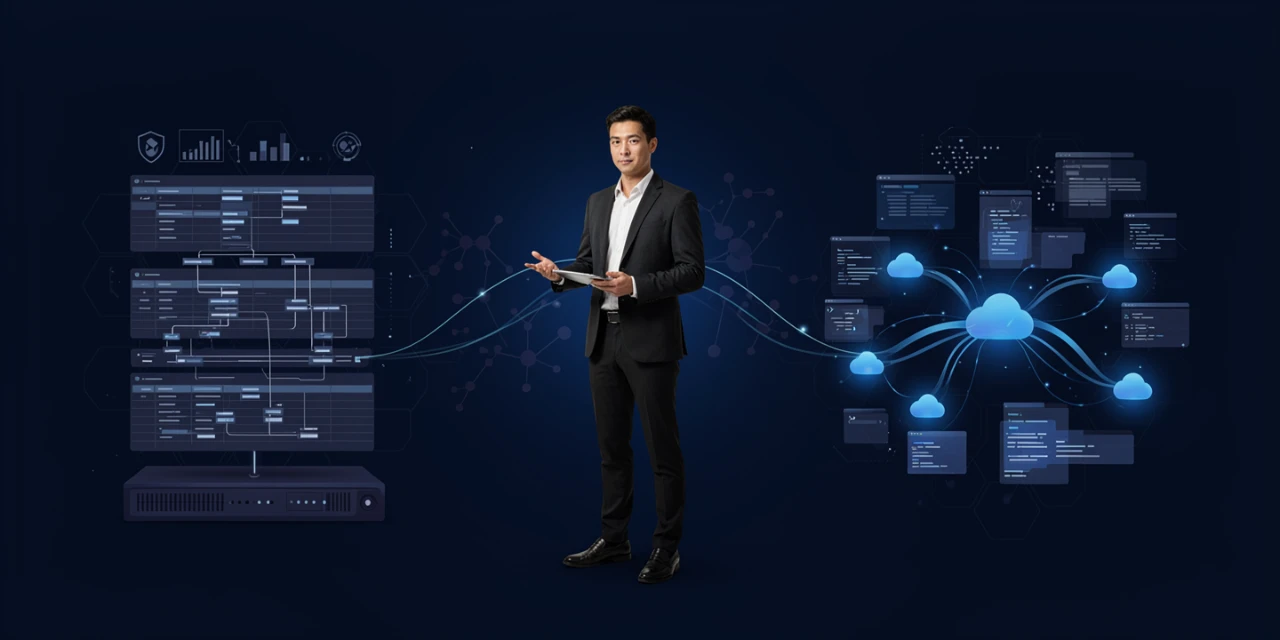
A marketing engineer is generally understood as someone who combines marketing knowledge with the ability to build or manage technical systems that support growth. The role can involve AI workflows, automation, data connections, attribution systems, and campaign optimization.
Industry discussions suggest that the most important capability is not necessarily traditional software engineering. Instead, it is the ability to understand a marketing problem, identify where technology can help, and build a reliable process around it.
For example, a marketer could create an automated system that monitors competitor activity, summarizes changes, and sends relevant insights to the marketing team. Similarly, another professional could connect customer data with an AI workflow to personalize communications at scale.
AI Agents Are Changing Marketing Workflows
AI agents are accelerating this transition because they can perform multi step tasks rather than simply generate individual pieces of content. Modern marketing teams can use agents to monitor campaigns, analyze performance, support research, and assist with repetitive operational activities.
For instance, Anthropic’s first growth marketer has described using AI to build advertising scripts, dashboards, daily briefings, and campaign automation. This illustrates how a marketer can move from manually completing tasks to designing systems that perform those tasks continuously.
Meanwhile, marketing teams are also experimenting with multiple agents working together. This approach can improve operational speed, although human oversight remains important when automated systems influence budgets, customer communications, or brand decisions.
Data Skills Are Becoming Essential
The growth of AI is also increasing the importance of data driven marketing. AI systems depend on accurate information, clear objectives, and reliable feedback. Therefore, marketers need to understand how customer data is collected, organized, interpreted, and connected across the MarTech ecosystem.
This includes familiarity with analytics platforms, CRM systems, customer journeys, attribution, automation, and performance measurement. Moreover, marketers need to recognize when data is incomplete or misleading because automation can amplify poor inputs just as quickly as it can improve good ones.
Consequently, stronger data literacy is becoming one of the most valuable technology insights for modern marketing professionals.
Customer Experience Still Needs Human Judgment
Despite the growing technical side of marketing, technology cannot replace the human understanding required to create meaningful customer experiences.
AI can produce content variations, identify patterns, and recommend actions. However, marketers still need to decide whether a message feels authentic, whether a campaign reflects the brand, and whether an experience genuinely helps the customer.
This is particularly important for customer experience strategies. Automation should make interactions more relevant and convenient rather than simply increasing the number of messages customers receive.
In contrast, excessive automation can make communication feel generic. Therefore, successful teams will combine technical efficiency with creativity, empathy, and strong brand judgment.
Digital Marketing Innovation Is Becoming System Driven
The broader shift also reflects the evolution of digital marketing innovations. Marketing is moving from isolated campaigns toward interconnected systems where data, content, automation, advertising, and customer engagement work together.
For example, a customer interaction can generate data that influences segmentation, which can then trigger personalized content and inform future campaign optimization. As a result, marketing teams are increasingly designing systems rather than managing individual activities.
This systems based approach can also improve brand engagement strategies because businesses can respond more quickly to customer behavior while maintaining greater consistency across channels.
What This Means for Marketing Careers
The emergence of marketing engineers does not mean every marketer needs to become a professional programmer. Instead, it suggests that technical fluency will increasingly separate highly adaptable professionals from those who rely entirely on manual processes.
Marketing trends analysis already points toward greater integration between AI, automation, analytics, and revenue operations. Professionals who understand these areas can become valuable bridges between creative teams, technology teams, and business leadership.
Additionally, marketers who learn how to evaluate AI outputs, design workflows, interpret data, and manage automation responsibly can contribute to technology decisions rather than simply consuming new tools.
Practical Insights for the AI Marketing Era
The rise of the marketing engineer highlights a larger lesson for the MarTech ecosystem. The most valuable professionals may not be those who use the most AI tools, but those who understand how to combine technology with strategy.
Marketers should therefore focus on learning how systems work, how customer data moves between platforms, how automation can improve workflows, and where human review remains necessary.
The title itself may eventually become less important. What matters more is the capability behind it. As AI becomes embedded across marketing operations, professionals who can build intelligent processes while protecting customer trust will have a stronger position in the evolving digital economy.
Explore More Marketing Technology Insights
Stay ahead of emerging AI, automation, customer experience, and data driven marketing trends with MarTechInfoPro.com.
Explore expert marketing technology insights to understand how innovation is reshaping modern customer engagement.
Source : wsj.com