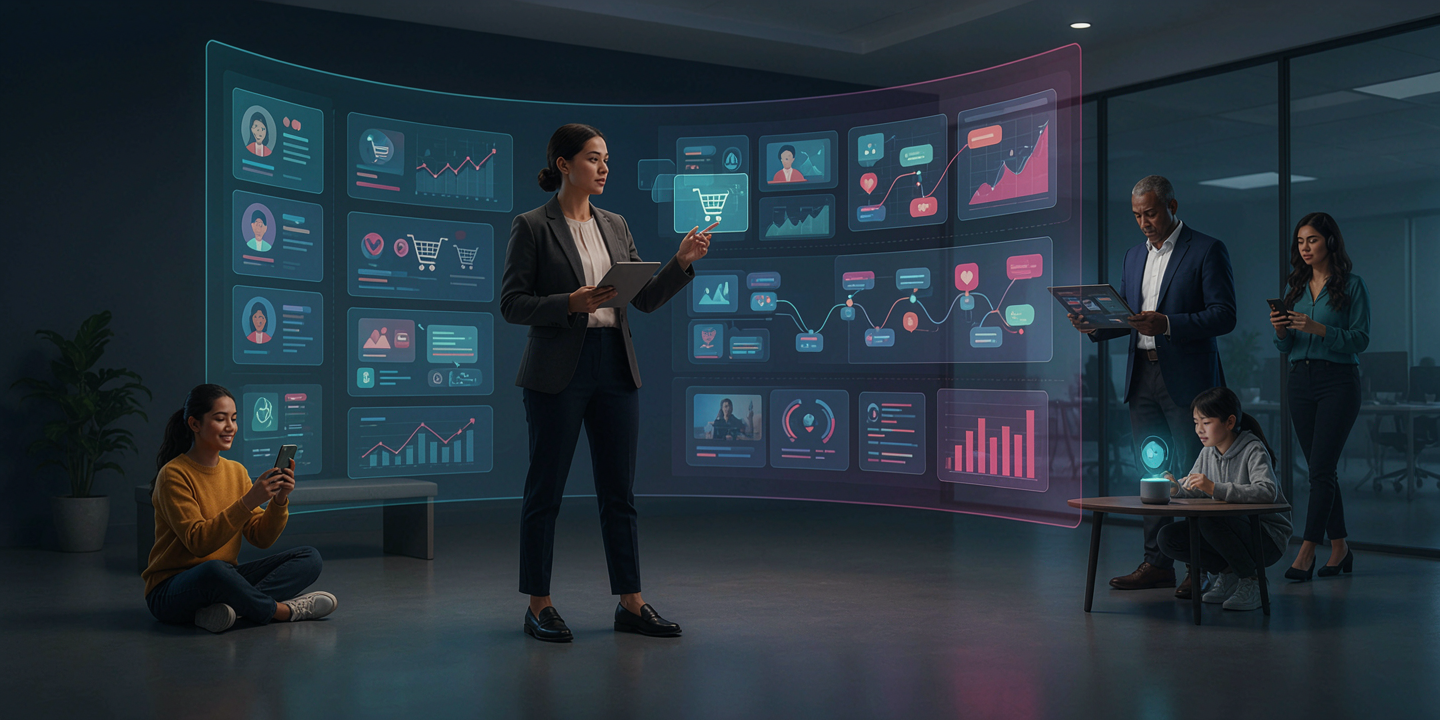
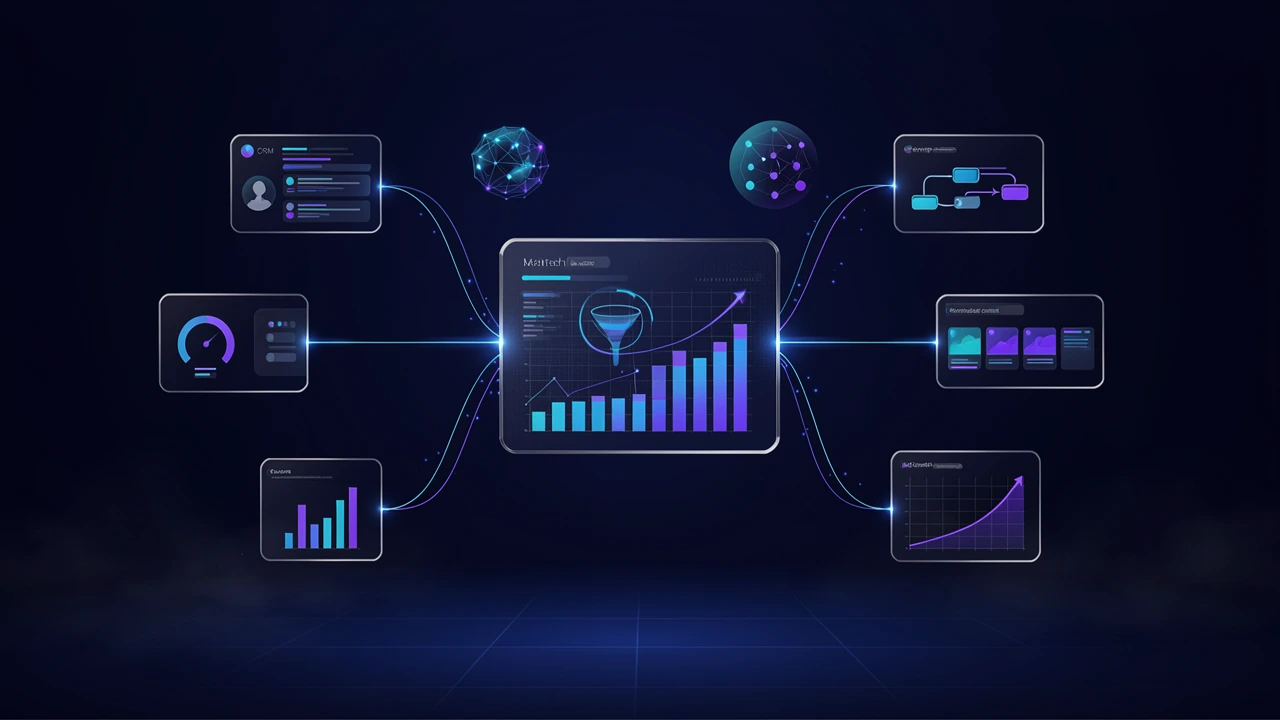
The way businesses connect with consumers is changing rapidly. New technologies, evolving customer expectations, privacy concerns, and the growth of digital channels are reshaping how brands attract and retain customers. In 2026, B2C Marketing is becoming more personalized, data driven, conversational, and focused on creating meaningful customer experiences.
Consumers have more choices than ever before, which means businesses need to understand their audiences and deliver relevant experiences across every stage of the customer journey. The future of B2C Marketing will depend on how effectively brands combine technology, creativity, customer insights, and trust.
Personalization Becomes a Core Strategy
Personalization is no longer limited to using a customer’s name in an email. Consumers increasingly expect brands to understand their interests, preferences, and purchasing behavior.
In 2026, B2C Marketing strategies are using customer insights to deliver more relevant content, product recommendations, offers, and communications. Businesses can create personalized experiences across websites, mobile applications, email, social media, and other digital channels.
When personalization is implemented responsibly, it can make customer interactions more useful and strengthen relationships between consumers and brands.
AI Is Transforming Customer Engagement
Artificial intelligence is becoming an important part of modern marketing. Businesses are using AI powered tools to analyze customer behavior, generate content, support customer service, identify trends, and improve campaign performance.
AI can help marketers process large amounts of information and identify patterns that may otherwise be difficult to recognize. However, successful B2C Marketing will still require human creativity and strategic thinking.
The strongest approach will combine automation with authentic communication rather than relying entirely on automated experiences.
First Party Data Gains Importance
Privacy changes are encouraging businesses to build stronger relationships with customers and collect information directly through trusted interactions.
First party data can come from purchases, website activity, loyalty programs, customer accounts, surveys, newsletters, and other voluntary interactions. This information can help brands understand their audiences while maintaining greater control over how customer data is collected and used.
In 2026, transparent data practices and clear communication about privacy will become increasingly important for building consumer trust.
Social Media Becomes More Interactive
Social media continues to play a major role in B2C Marketing. However, consumers are increasingly looking for authentic and interactive content rather than traditional promotional messages.
Short form video, creator collaborations, live content, social commerce, and community engagement are helping brands create stronger connections with audiences.
Businesses that participate in conversations and provide useful or entertaining content can build communities around their brands instead of simply advertising products.
Video Marketing Continues to Grow
Video remains one of the most effective ways to communicate with modern audiences. Short videos can capture attention quickly, while longer videos can educate consumers and demonstrate products or services.
Brands are using video throughout the customer journey, from awareness and product discovery to customer education and post purchase engagement.
In 2026, businesses will increasingly focus on creating videos that feel native to the platform where consumers discover them.
Conversational Marketing Creates Faster Experiences
Consumers increasingly expect quick answers when interacting with brands. Conversational marketing allows businesses to engage customers through chat, messaging platforms, virtual assistants, and other digital communication channels.
These experiences can help consumers find products, answer questions, receive recommendations, and move through the buying process more efficiently.
However, businesses need to ensure that automated communication remains helpful and gives customers access to human support when necessary.
Customer Experience Becomes a Competitive Advantage
Products and prices are no longer the only factors influencing purchasing decisions. The overall customer experience can have a significant impact on brand loyalty.
Consumers expect consistent experiences across websites, mobile devices, social media, physical stores, customer service, and other touchpoints.
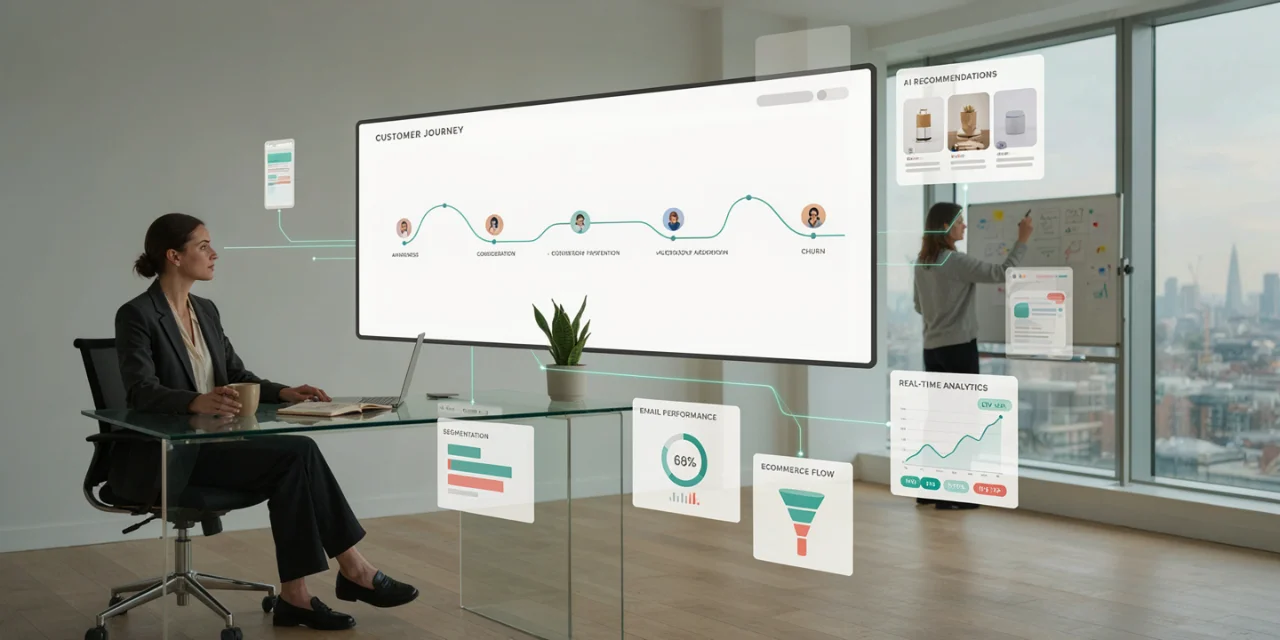
Successful B2C Marketing strategies will therefore focus on connecting different channels and creating a smooth customer journey rather than treating each channel as a separate marketing activity.
Trust and Authenticity Matter More
Consumers are becoming more selective about the brands they support. They want companies to communicate honestly and demonstrate that they understand customer needs.
Authentic storytelling, transparent communication, responsible data use, and consistent brand experiences can help businesses build credibility.
In a crowded digital environment, trust can become one of the strongest factors separating successful brands from competitors.
Data Driven Marketing Decisions
Marketing teams have access to more information than ever before. Analytics can help businesses understand campaign performance, customer behavior, conversion patterns, and changing preferences.
The future of B2C Marketing will involve using data to make smarter decisions while avoiding an excessive focus on metrics that do not contribute to meaningful business outcomes.
Marketers will increasingly focus on metrics such as customer lifetime value, retention, engagement, conversion quality, and overall return on marketing investment.
The Future of B2C Marketing
The future of B2C Marketing in 2026 will be defined by personalization, artificial intelligence, first party data, social engagement, video, conversational experiences, and customer focused strategies.
Technology will continue to provide businesses with new ways to reach consumers, but technology alone will not guarantee success. Brands that understand their customers and combine digital innovation with creativity, transparency, and authentic communication will be better positioned to build lasting relationships.
Conclusion
B2C Marketing is moving toward a more connected and customer centered future. Consumers expect relevant experiences, fast communication, useful content, and greater transparency from the brands they interact with.
As businesses adapt to changing technology and consumer behavior, the most successful marketing strategies will focus on creating genuine value rather than simply increasing the number of advertisements consumers see.
By combining personalization, data, AI, social media, video, and strong customer experiences, businesses can create B2C Marketing strategies that are more relevant, measurable, and effective in 2026.
Explore more expert perspectives on marketing technology, customer engagement, and digital transformation at MarTechInfoPro.com.