B2C marketing, short for business to consumer marketing, refers to the strategies businesses use to promote products or services directly to individual consumers. Unlike B2B marketing, which focuses on selling to other businesses, B2C marketing is designed around individual customers, their needs, preferences, emotions, and purchasing decisions.
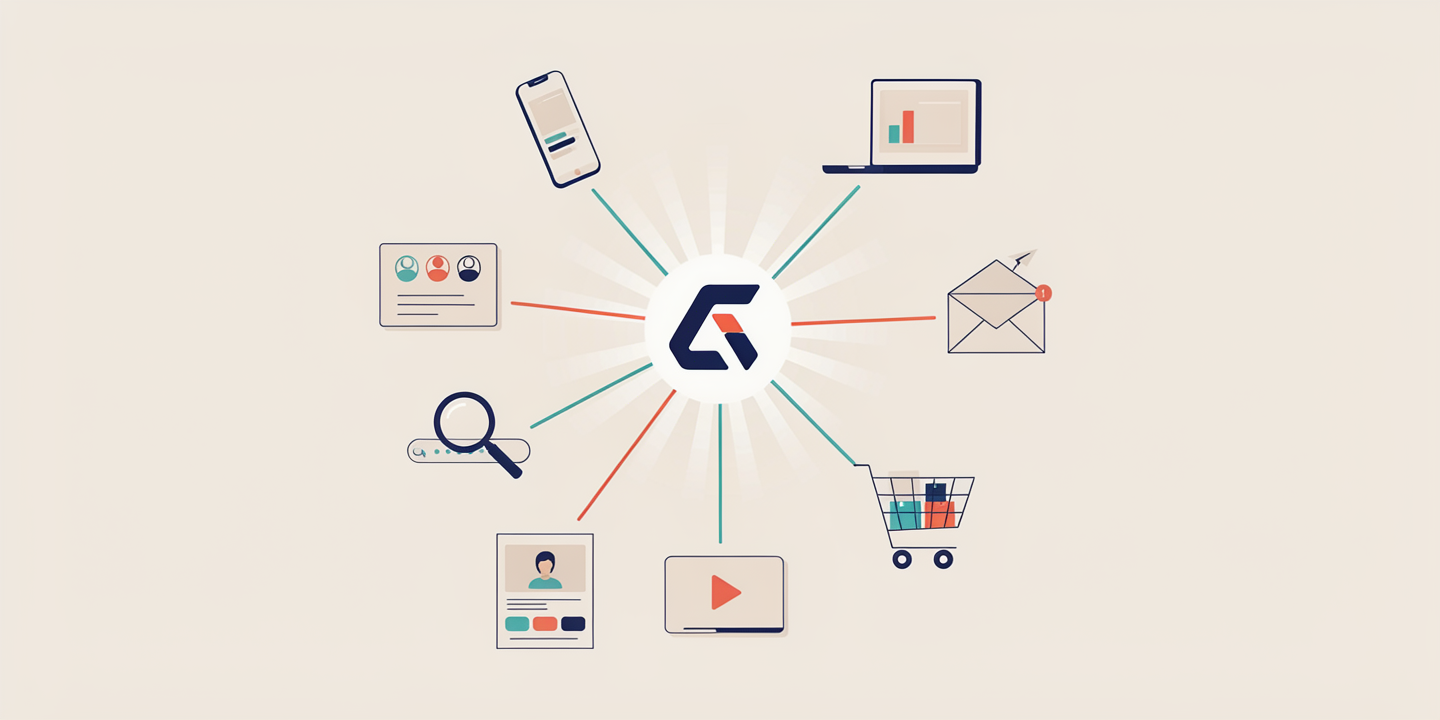
As consumers increasingly discover and purchase products through digital channels, B2C marketing has become more connected, personalized, and data driven. Businesses now use websites, search engines, social media, email, mobile applications, video, and other digital platforms to reach potential customers throughout the buying journey.
What Is B2C Marketing?
B2C marketing is the process of attracting individual consumers, building interest in a product or service, encouraging purchases, and developing long term customer relationships.
A B2C marketing campaign can range from a social media advertisement promoting a new product to an email campaign offering personalized recommendations. The strategy depends on the target audience, product category, customer journey, and business objectives.
The main goal is to communicate value in a way that connects with consumers and encourages them to take action.
How B2C Marketing Differs From B2B Marketing
B2C and B2B marketing share many fundamental principles, but their audiences and buying processes are different.
B2C marketing generally focuses on individual consumers and often involves shorter purchasing journeys. Emotional appeal, convenience, brand identity, price, reviews, and product benefits can strongly influence purchasing decisions.
B2B marketing usually involves organizations, multiple decision makers, longer sales cycles, and more complex purchasing processes. As a result, B2C campaigns often emphasize accessibility, engagement, personalization, and immediate value.
Key B2C Marketing Strategies
Businesses can use a combination of strategies to reach consumers effectively. The right approach depends on the audience, industry, product, and customer journey.
Content Marketing
Content marketing helps businesses attract consumers by providing useful, educational, entertaining, or informative material. Blog articles, videos, guides, tutorials, and social content can help customers learn about products and make informed decisions.
High quality content can also strengthen brand authority and support organic visibility in search engines.
Social media is one of the most important channels for B2C marketing. Platforms allow businesses to communicate directly with consumers through posts, videos, stories, live content, communities, and paid advertising.
Brands can use social media to showcase products, answer questions, collect feedback, build communities, and encourage customers to share their experiences.
Search Engine Marketing
Search marketing helps businesses reach consumers when they are actively looking for information, products, or services. Search engine optimization can increase organic visibility, while paid search advertising can place relevant offers in front of users with specific purchase intent.
A combination of organic and paid search strategies can help businesses reach customers at different stages of the buying journey.
Email Marketing
Email marketing remains an effective way to communicate directly with customers. Businesses can use email to share product updates, educational content, special offers, recommendations, and personalized messages.
Segmentation and personalization can make email campaigns more relevant and improve engagement.
Influencer and Creator Marketing
Consumers often look to creators and influencers for product recommendations and reviews. Working with relevant creators can help businesses reach targeted communities and introduce products through authentic content.
The most effective partnerships are usually based on audience relevance and credibility rather than follower count alone.
Video Marketing
Video can help businesses demonstrate products, explain features, tell brand stories, and capture attention quickly. Short form videos are particularly useful for social media discovery, while longer videos can provide detailed product information.
Businesses can use video throughout the customer journey, from awareness to post purchase education.
Personalization in B2C Marketing
Consumers increasingly expect businesses to provide relevant experiences. Personalization allows companies to adapt content, offers, recommendations, and communications based on customer behavior and preferences.
For example, an online retailer may recommend products based on previous purchases or browsing activity. A streaming platform may personalize content recommendations based on viewing behavior.
When used responsibly, personalization can improve the customer experience and increase engagement.
The Role of Data in B2C Marketing
Data allows businesses to understand how customers interact with their brands. Information from websites, purchases, email campaigns, social media, customer service, and loyalty programs can reveal valuable patterns.
Marketers can use these insights to identify high performing channels, understand customer preferences, improve campaigns, and measure results.
However, businesses should collect and use customer information responsibly while respecting privacy and applicable regulations.
Artificial Intelligence in B2C Marketing
Artificial intelligence is becoming increasingly useful in B2C marketing. AI tools can help marketers analyze large datasets, identify customer patterns, personalize experiences, generate content, optimize campaigns, and automate routine tasks.
AI can improve efficiency, but human creativity and strategic judgment remain important. Brands need to ensure that automated experiences still feel useful, relevant, and authentic.
Measuring B2C Marketing Success
Successful B2C marketing requires more than launching campaigns. Businesses need to measure performance and understand whether their efforts are contributing to meaningful outcomes.
Important metrics can include website traffic, engagement, conversion rates, customer acquisition costs, retention, repeat purchases, customer lifetime value, and return on marketing investment.
The most useful metrics depend on the campaign objective and the stage of the customer journey.
Building Long Term Customer Relationships
B2C marketing is not only about generating individual purchases. Building long term relationships can create repeat customers and increase customer lifetime value.
Loyalty programs, personalized communication, responsive customer service, useful content, and consistent experiences can encourage consumers to stay connected with a brand.
Businesses that understand customer expectations and continue delivering value are more likely to develop lasting relationships.
Conclusion
B2C marketing is the practice of connecting businesses with individual consumers through strategies designed to attract attention, build trust, encourage purchases, and strengthen customer relationships.
Content marketing, social media, search marketing, email, influencer partnerships, video, personalization, data, and AI are all shaping modern B2C marketing strategies.
As consumer behavior continues to evolve, businesses will need to focus on relevant experiences, authentic communication, responsible data use, and measurable results. A customer focused approach can help brands compete effectively and build sustainable growth.
Explore more expert perspectives on marketing technology, customer engagement, and digital transformation at MarTechInfoPro.com.
Source : storyblok.com