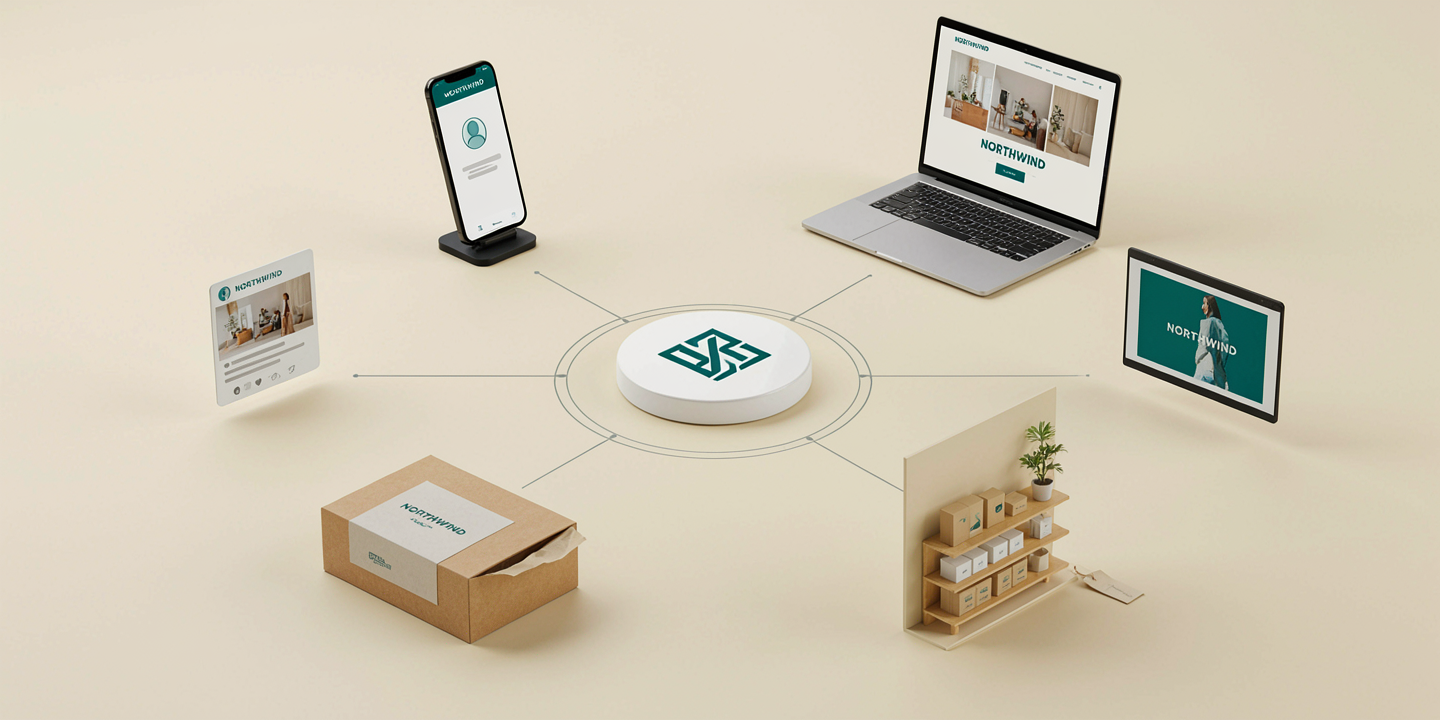
A strong brand is no longer defined only by a memorable logo, attractive colors, or a clever tagline. In 2026, businesses are building brands around customer expectations, digital experiences, authenticity, personalization, and consistent engagement across multiple channels. As competition continues to increase, a clear Branding Strategy can help organizations differentiate themselves and build lasting customer relationships.
From community-driven branding to immersive experiences and data-informed decision-making, several trends are shaping how businesses approach branding in 2026.
What Is a Branding Strategy?
A Branding Strategy is a long-term plan that defines how a business presents itself, communicates with its audience, and builds a recognizable identity in the marketplace.
It can include brand positioning, messaging, visual identity, customer experience, communication channels, and the values a company wants customers to associate with its brand.
An effective Branding Strategy connects these elements so that customers receive a consistent experience wherever they interact with the business.
Customer Experience Is Becoming Part of the Brand
Customers increasingly judge brands based on experiences rather than advertisements alone. Website usability, customer support, mobile experiences, product interactions, and post-purchase communication can all influence brand perception.
In 2026, businesses are placing greater emphasis on creating consistent experiences throughout the customer journey.
A company may have excellent branding materials, but a confusing website or poor customer service can weaken the overall brand. This makes customer experience an increasingly important component of Branding Strategy.
Personalization Is Shaping Modern Branding
Customers expect businesses to understand their interests and provide relevant experiences. Personalization can help brands communicate with different audience segments using messages, offers, content, and experiences that match their needs.
Businesses can use customer data and analytics to understand preferences and behaviors while maintaining responsible data practices.
The goal is not simply to personalize everything. Effective Branding Strategy focuses on making personalization useful and natural rather than intrusive.
Authenticity Matters More Than Ever
Consumers are becoming more selective about the brands they trust. Generic corporate messaging can make it difficult for a business to stand out.
Authenticity allows organizations to communicate their purpose, personality, values, and perspective more clearly.
Brands can demonstrate authenticity through transparent communication, realistic storytelling, employee voices, customer experiences, and consistent actions.
The key is ensuring that brand promises align with what the organization actually delivers.
Community-Driven Branding
Businesses are increasingly creating communities around shared interests rather than focusing exclusively on transactions.
A strong community can encourage customers to interact with one another, share experiences, provide feedback, and develop stronger connections with a brand.
Social platforms, online communities, events, newsletters, and customer programs can all contribute to community-driven Branding Strategy.
When customers feel that they are part of something meaningful, they can become active participants in the brand rather than simply buyers.
Consistent Branding Across Digital Channels
Customers may encounter a business through search engines, social media, websites, mobile applications, email, advertising, and other digital touchpoints.
Inconsistent messaging or visual identity across these channels can create confusion.
In 2026, businesses are focusing on creating flexible but recognizable brand systems. Logos, typography, colors, messaging, tone, and visual elements should work together while adapting to different platforms.
Consistency does not mean making every channel identical. Instead, the goal is to maintain a recognizable brand identity across different customer experiences.
Purpose and Values Are Influencing Brand Perception
Brand purpose continues to influence how customers evaluate organizations. Businesses are increasingly communicating what they stand for and how their values influence their decisions.
However, purpose-driven Branding Strategy works best when values are reflected in actual business practices.
Customers can quickly question claims that appear disconnected from a company’s products, services, employees, or operations. For this reason, businesses should focus on meaningful actions rather than relying only on purpose-focused messaging.
Visual Identity Is Becoming More Flexible
Modern brands need visual identities that work across websites, mobile interfaces, social media, video, digital advertising, and other formats.
Static brand guidelines are increasingly being complemented by flexible design systems that allow businesses to maintain recognition while adapting content to different environments.
This can include responsive logos, modular visual elements, adaptable typography, motion graphics, and platform-specific creative formats.
A flexible visual identity can make Branding Strategy more effective in a digital-first environment.
Brand Storytelling Is Evolving
Storytelling remains an important part of branding, but audiences increasingly expect stories to feel relevant and genuine.
Instead of focusing only on company history, businesses can highlight customer experiences, employee perspectives, product development, challenges, innovations, and real-world outcomes.
Short-form video, interactive content, podcasts, newsletters, and social content provide additional ways to communicate these stories.
Effective storytelling gives customers a reason to remember a brand beyond its products or services.
Data Is Supporting Better Branding Decisions
Branding is becoming more measurable. Businesses can use customer feedback, website analytics, social engagement, search behavior, surveys, and other data sources to understand how audiences respond to their brand.
This information can help organizations identify which messages perform well, which customer segments are most engaged, and where brand experiences need improvement.
Data should support creative decision-making rather than replace it. The strongest Branding Strategy combines customer insights with clear positioning and creative execution.
Sustainability and Responsible Branding
Environmental and social considerations continue to influence brand expectations. Customers may pay attention to how products are produced, packaged, delivered, and communicated.
Businesses therefore need to approach sustainability claims carefully and transparently.
Responsible branding means communicating genuine progress and avoiding exaggerated claims. Clear evidence and honest communication can help businesses build credibility.
The Future of Branding Strategy
Branding is becoming more dynamic as businesses adapt to changing customer expectations and digital environments.
In 2026, successful brands are likely to focus on meaningful customer experiences, personalization, authenticity, community, consistent digital identities, flexible design, and measurable engagement.
The most effective Branding Strategy will not simply make a company look different. It will help customers understand what the company represents, why it matters, and why they should choose it.
Conclusion
Branding Strategy continues to evolve as businesses compete for attention in increasingly crowded markets. In 2026, companies need to look beyond logos and advertising campaigns and consider the complete experience they provide to customers.
Businesses that combine clear positioning with authentic communication, personalization, strong experiences, community engagement, and consistent digital branding can create stronger connections with their audiences.
The future of branding belongs to organizations that treat their brand as an ongoing customer experience rather than simply a visual identity.
Explore MarTechInfoPro.com for expert Marketing technology insights, emerging AI trends, and practical strategies that drive measurable business growth.