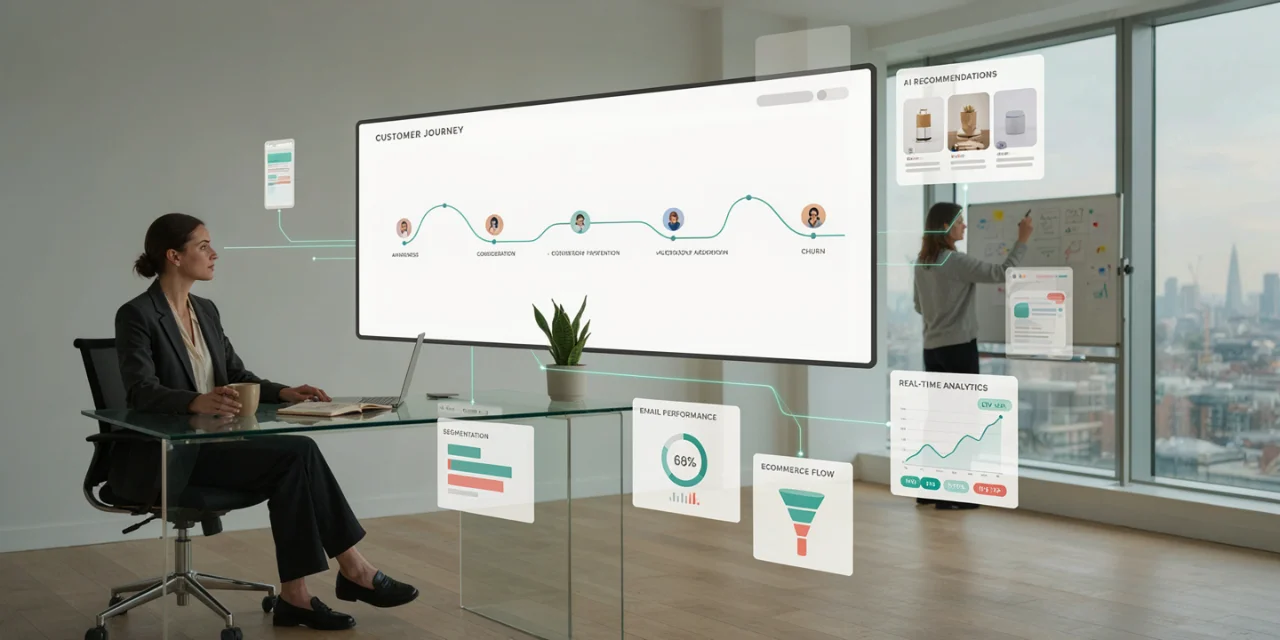
Customers increasingly expect brands to understand their needs and deliver relevant experiences across websites, emails, social media, and mobile applications. Generic campaigns can struggle to attract attention, particularly when consumers have countless alternatives available online. As a result, businesses across the United Kingdom are rethinking how they communicate with their audiences.
Personalization strategies are becoming central to this shift. By combining customer data, artificial intelligence, and marketing automation, businesses can deliver more relevant messages and create meaningful interactions. These approaches are transforming digital marketing in the UK, helping brands improve engagement, strengthen customer relationships, and make better use of their marketing budgets.
Why Personalization Matters in the UK Market
The UK digital marketplace is competitive, with consumers interacting with brands across multiple digital channels. Retailers, financial service providers, travel companies, and subscription businesses all compete to deliver convenient and relevant experiences.
Personalized marketing helps businesses respond to different customer preferences instead of treating every visitor the same way. For example, an online retailer can recommend products based on browsing activity, while a travel company can tailor destination suggestions to a customer’s interests.
However, effective personalization involves more than adding someone’s name to an email. Businesses need to understand customer intent, recognize useful patterns, and deliver information that genuinely improves the experience. When implemented thoughtfully, personalization can support stronger loyalty and more effective brand engagement strategies.
Artificial Intelligence Is Making Personalization Smarter
Artificial intelligence is expanding what marketers can achieve with customer data. Modern marketing platforms can analyze behavioural patterns, identify audience segments, recommend relevant content, and help predict what customers may need next.
Consequently, marketing teams can move beyond broad demographic targeting toward more context aware experiences. An ecommerce website, for instance, might adjust product recommendations based on recent interactions, while an email platform can suggest suitable content for different stages of the customer journey.
Additionally, AI powered tools can help marketers test different messages and optimize campaigns more efficiently. Nevertheless, automated recommendations should be monitored carefully. Poor quality data or incorrect assumptions can create irrelevant experiences that frustrate customers rather than encourage engagement.
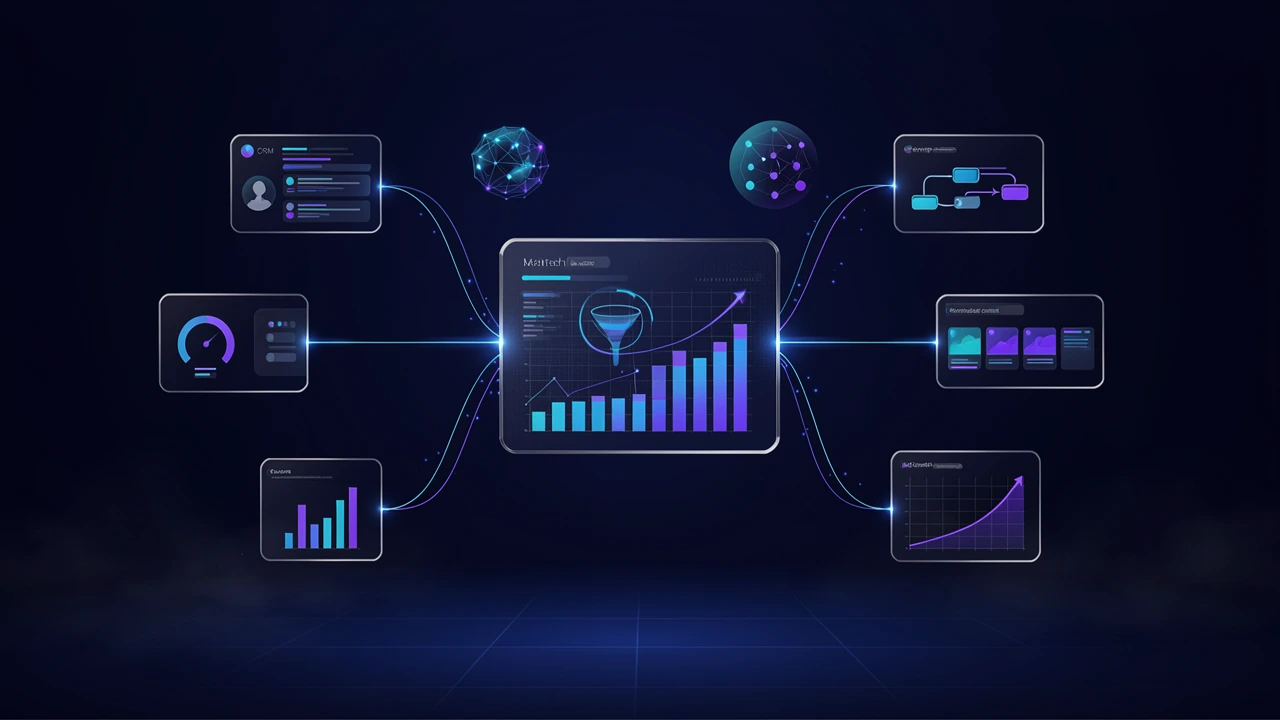
These digital marketing innovations demonstrate how AI is becoming an important part of the wider MarTech ecosystem.
Data Driven Marketing Improves Customer Journeys
Personalization depends on reliable information. Businesses need a clear understanding of how customers discover products, compare options, make purchases, and interact with support teams.
Data driven marketing brings these insights together to help organizations design more relevant customer journeys. Website analytics can reveal popular content, customer relationship management platforms can organize interactions, and marketing automation tools can coordinate communications across channels.
For example, a customer who downloads a product guide may benefit from a follow up email containing practical advice rather than receiving an immediate discount offer. Similarly, an existing customer may need onboarding support instead of another introductory advertisement.
As a result, marketing becomes more responsive to customer needs. However, businesses should collect only the information they need, maintain appropriate consent practices, and follow applicable UK data protection requirements.
The Role of Customer Experience Strategies
Customers rarely experience a brand through a single channel. They may discover a company on social media, research its products on a website, receive an email, and complete a purchase through a mobile application.
Therefore, consistent messaging across these touchpoints is essential. Customer experience strategies help businesses connect marketing activities so that interactions feel coordinated rather than disconnected.
Marketing teams can use integrated platforms to maintain consistent preferences, reduce repetitive communications, and tailor content to the customer’s current needs. For instance, someone who has already purchased a product should not continue receiving advertisements that treat them as a new prospect.
Moreover, personalization should make customer interactions simpler and more useful. Clear navigation, relevant recommendations, timely support, and accessible content can have a greater impact than sophisticated targeting alone.
Privacy and Trust Shape Personalization in the UK
Although personalized experiences offer clear benefits, consumers also want transparency about how their information is collected and used. UK businesses must consider relevant requirements under data protection law, including the UK GDPR and the Data Protection Act 2018, as well as applicable rules governing electronic marketing and tracking technologies.
Consequently, brands should explain their data practices clearly, respect customer preferences, and provide appropriate controls over marketing communications. Consent and other lawful grounds must be assessed according to the specific processing activity rather than assumed to apply universally.
Privacy focused personalization can also encourage businesses to make better use of information customers knowingly share, such as product preferences or communication choices. This approach can strengthen trust while helping marketers create more relevant campaigns.
Measuring the Impact of Personalization
Personalization should deliver measurable business value rather than simply make marketing technology more complex. Businesses can evaluate performance through conversion rates, email engagement, repeat purchases, customer retention, and customer lifetime value.
Meanwhile, controlled experiments can help marketers understand whether personalized campaigns actually outperform standard experiences. Testing different recommendations, messages, and customer journeys can reveal which changes produce meaningful results.
Marketing trends analysis also helps organizations identify changing expectations and emerging opportunities. By reviewing campaign performance regularly, teams can refine their strategies, improve spending decisions, and focus on experiences that deliver value to customers.
Future Outlook for Personalization Strategies
Personalization strategies will continue evolving as AI capabilities improve and marketing platforms become more connected. Businesses may increasingly use predictive recommendations, real time content adjustments, and automated customer journeys to deliver relevant experiences at scale.
However, successful implementation will require a balance between automation, privacy, and human understanding. Organizations should begin with a specific customer problem, select suitable technology, and measure results before expanding their efforts.
The strongest personalization strategies will combine useful data, thoughtful communication, and consistent customer experience. For UK businesses, this offers a practical way to stand out in a crowded digital marketplace while building stronger relationships over time.
Explore more expert marketing technology insights and Digital marketing innovations on MarTechInfoPro.com.