In a crowded marketplace, memorable branding is rarely created by a logo alone. The strongest brands often build emotional connections through small details that customers can see, touch, remember, and associate with a particular experience.
KLM and Japan Airlines (JAL) offer interesting examples of how everyday objects can become powerful brand assets. From collectible items to carefully designed customer experiences, these airlines demonstrate how a thoughtful Branding Strategy can turn ordinary objects into lasting brand memories.
Why Brand Memories Matter
Customers interact with brands through many different touchpoints. Advertising, websites, social media, packaging, customer service, products, and physical experiences can all influence how a brand is remembered.
A strong Branding Strategy connects these touchpoints into a recognizable experience. When an object becomes associated with a positive journey or meaningful moment, it can create a stronger emotional connection than a traditional advertisement.
This is particularly valuable for travel brands, where customers often remember experiences through physical souvenirs and visual details.
KLM and the Power of Collectible Houses
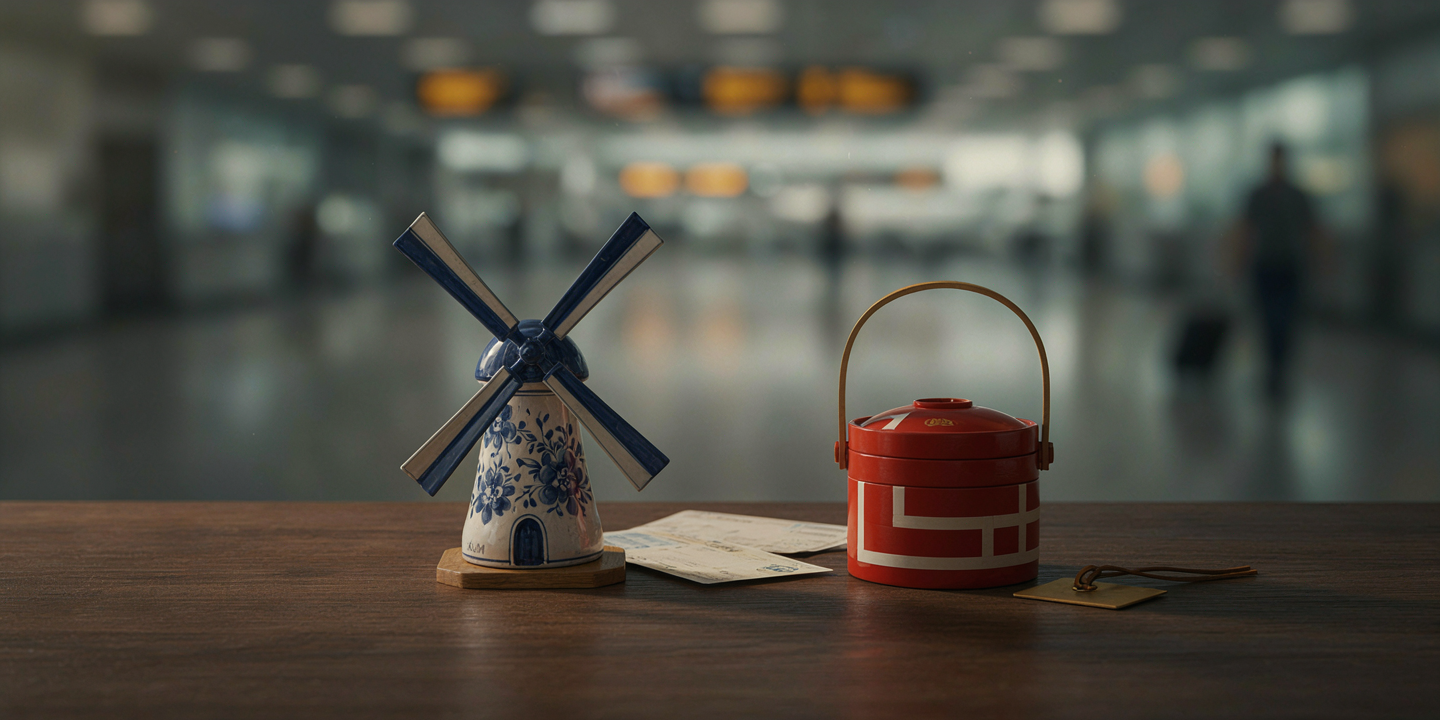
KLM is well known for its miniature Delftware houses. These small blue-and-white houses are presented to passengers on certain KLM flights and represent historic Dutch buildings.
Although the objects are small, their role in KLM’s branding is significant. They combine Dutch heritage, travel, design, and collectibility into a physical representation of the airline.
For passengers, the miniature house becomes more than a gift. It can become a reminder of a particular journey and an object that remains in the home long after the flight has ended.
This is an effective example of Branding Strategy because the brand experience continues beyond the airport.
Turning a Souvenir Into a Brand Asset
A souvenir becomes particularly powerful when it has a clear connection to the brand’s identity.
KLM’s houses are distinctive because they connect several ideas at once. Their design reflects Dutch cultural heritage, while their association with air travel creates a connection to the customer’s journey.
Over time, collecting the houses can also encourage repeat engagement. Customers may become interested in finding different designs and adding them to their collection.
This demonstrates an important Branding Strategy principle: a physical object can become a long-term reminder of a brand when it has meaning, consistency, and a strong connection to the customer experience.
JAL and Thoughtful Brand Details
Japan Airlines takes a different approach to creating memorable customer experiences. Its branding is closely associated with Japanese hospitality, attention to detail, and a refined visual identity.
Small objects and carefully considered service elements can reinforce these characteristics. Rather than relying only on large promotional campaigns, brands can communicate their personality through the details customers encounter throughout their journey.
For an airline, these details can include packaging, amenity products, serviceware, uniforms, printed materials, and other physical touchpoints.
Each individual element may appear simple, but together they can reinforce a consistent brand impression.
The Psychology Behind Memorable Objects
Physical objects can create strong memories because they connect experiences with something tangible.
A customer may forget a digital advertisement after seeing hundreds of similar messages, but a physical object associated with a meaningful trip can remain visible for years.
This creates an opportunity for brands to extend the customer experience beyond the original transaction.
The object becomes a memory trigger. Seeing it later can remind customers of the destination, journey, service, or emotions associated with the brand.
Branding Strategy Beyond Logos
Traditional branding often focuses heavily on visual identity. Logos, colors, typography, and advertising remain important, but modern Branding Strategy extends much further.
Every customer interaction can communicate what a company represents.
For airlines, the boarding experience, aircraft interiors, food presentation, announcements, customer service, digital applications, and physical souvenirs can all contribute to brand perception.
The most effective brands make these elements feel connected rather than treating each interaction as an isolated marketing activity.
Cultural Identity Can Strengthen Branding
KLM and JAL also demonstrate how cultural identity can become part of a brand experience.
KLM can draw on Dutch history and design traditions, while JAL can communicate aspects of Japanese culture and hospitality.
Cultural references can make brands more distinctive because they provide stories and meanings that competitors cannot easily copy.
However, successful cultural Branding Strategy requires authenticity. Cultural elements should feel naturally connected to the organization rather than added simply as decoration.
Small Details Can Create Emotional Value
One of the most important lessons from these airline examples is that brand value does not always require expensive or complicated experiences.
A carefully designed object can have significant emotional value when customers associate it with a memorable moment.
This creates an opportunity for businesses in many industries.
Hotels can create distinctive keepsakes. Restaurants can develop recognizable packaging. Retailers can design reusable products that customers want to keep. Technology companies can create thoughtful physical experiences around digital products.
The object itself may be inexpensive, but the memory attached to it can be valuable.
Consistency Makes Brand Objects More Powerful
Consistency is another important part of Branding Strategy.
A recognizable design system can help customers immediately associate an object with a particular company. Repeated use of distinctive colors, shapes, materials, symbols, or packaging can reinforce brand recognition.
Over time, customers may recognize the brand without seeing its name.
This is especially powerful when physical objects become collectible or are repeatedly encountered throughout the customer journey.
What Businesses Can Learn From KLM and JAL
Businesses can take several lessons from the way airlines use physical details to strengthen customer memories.
First, branding should extend beyond traditional advertising. Second, objects can become meaningful when they are connected to experiences. Third, cultural identity can create differentiation when used authentically.
Most importantly, a Branding Strategy should consider how customers will remember the brand after the transaction is finished.
A memorable brand does not simply ask customers to remember its name. It gives them experiences and symbols that make remembering easier.
The Future of Experiential Branding
As digital marketing becomes increasingly crowded, physical experiences can provide an opportunity for brands to stand apart.
Digital campaigns can reach millions of people, but tangible brand experiences can create a different type of connection.
The future of Branding Strategy will likely involve a combination of digital personalization and physical experiences. Brands can use technology to understand customers while using thoughtful physical details to make those interactions more memorable.
Conclusion
KLM and JAL demonstrate how simple objects and carefully designed customer experiences can contribute to powerful brand memories. Their approaches show that effective Branding Strategy is not limited to logos, advertising, or social media.
When a physical object is connected to culture, experience, design, and emotion, it can become a lasting symbol of the brand.
For businesses looking to build stronger customer relationships, the lesson is simple: sometimes the smallest brand details can create the biggest memories.
Explore MarTechInfoPro.com for expert Marketing technology insights, emerging AI trends, and practical strategies that drive measurable business growth.
Source : thebrandingjournal.com