B2B marketing is often associated with serious presentations, technical language, detailed reports, and carefully structured sales messages. However, decision makers are still people. They remember how a brand made them feel, especially when communication becomes repetitive and every competitor appears to sound the same.
That is where the idea that the second laugh matters becomes especially interesting. The first laugh can capture attention, but the second laugh suggests something deeper. It means the audience understood the personality behind the message and was willing to engage with it again.
Consequently, B2B brands have an opportunity to use humor as part of a broader customer experience rather than treating it as a one time creative trick.
Moving Beyond the First Impression
A clever campaign may generate attention quickly. Yet attention alone rarely creates lasting B2B relationships. Customers may remember an amusing advertisement, but they are more likely to develop affinity when a brand consistently communicates with personality and relevance.
Moreover, repeated positive interactions can make complex products feel more approachable. A software platform, analytics service, or marketing technology solution does not have to communicate through dry language at every touchpoint.
Therefore, humor can become a bridge between technical value and human connection. The goal is not to turn every B2B message into entertainment. Instead, brands can use personality where it naturally strengthens the message.
Humor and Customer Experience
Customer experience strategies increasingly influence how businesses differentiate themselves. Buyers interact with brands across websites, emails, social channels, webinars, sales conversations, product demonstrations, and support platforms.
Meanwhile, these interactions create many opportunities to reinforce brand personality. A thoughtful joke in an email, an unexpected visual on a landing page, or a playful product demonstration can make an otherwise ordinary interaction more memorable.
However, consistency matters. If a brand uses humor in advertising but becomes completely impersonal during the sales process, the experience can feel disconnected.
As a result, the second laugh becomes a useful metaphor for consistency. Customers should recognize the same human personality when they encounter the brand again.
The Role of Marketing Technology
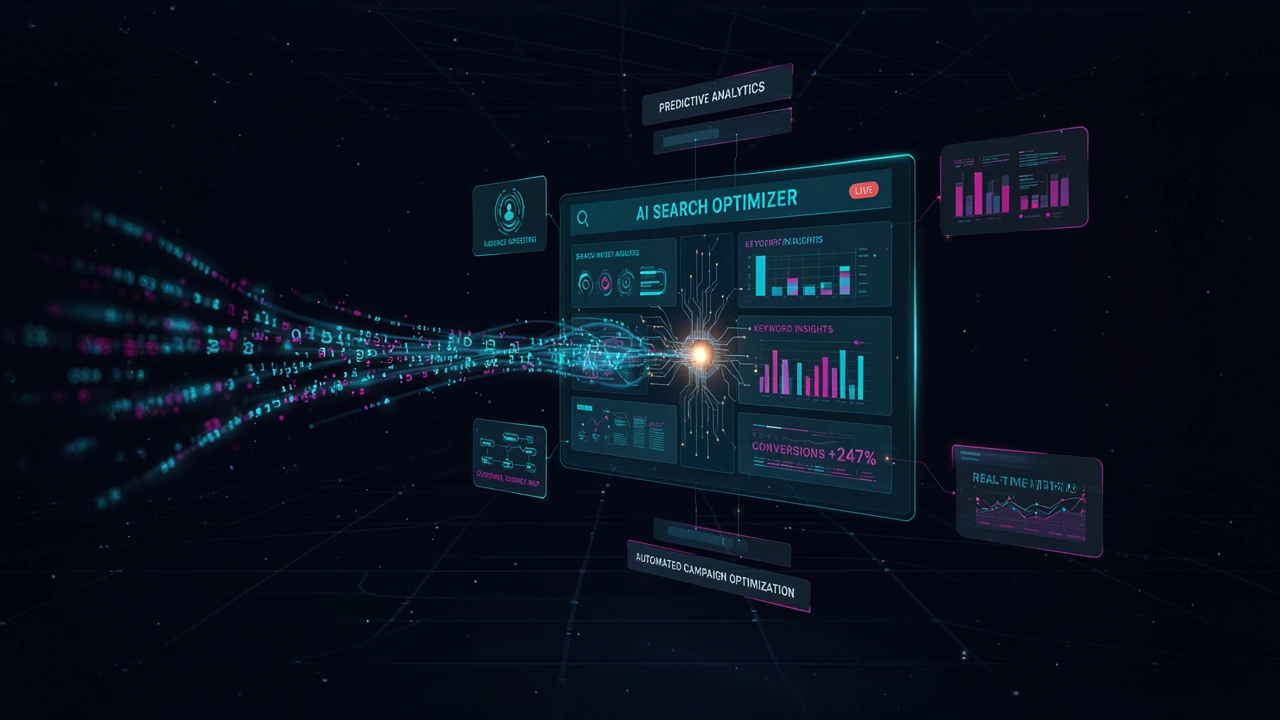
Modern marketing technology gives B2B teams more opportunities to understand how audiences respond to content. Analytics platforms, customer relationship systems, automation tools, and audience intelligence solutions can reveal engagement patterns across multiple channels.
For example, marketers can examine whether audiences return to specific content, interact with campaigns, respond to email messaging, or spend more time with pages that use a distinctive creative approach.
Technology insights can therefore help marketers understand whether personality is creating meaningful engagement or simply generating short lived attention.
Additionally, artificial intelligence is expanding how businesses create and personalize marketing experiences. Yet human creativity remains essential because humor depends heavily on context, timing, cultural understanding, and emotional intelligence.
Data Driven Marketing Meets Creativity
Data driven marketing and creative storytelling should not exist in separate worlds. Data can reveal what audiences respond to, while creativity determines how a brand turns those insights into memorable experiences.
For instance, engagement data may show that customers respond strongly to conversational content. Marketers can then explore ways to make future campaigns more human without abandoning professional credibility.
Furthermore, testing different messages can help businesses discover the right balance between humor and commercial intent. Some audiences may appreciate bold creative ideas, while others may prefer subtle personality.
Consequently, the most effective B2B marketers use data to inform creativity rather than allowing metrics to eliminate creativity altogether.
Why Authenticity Matters
Humor works best when it feels natural to the brand. A company that suddenly adopts an exaggerated personality simply because humor is trending may create confusion instead of connection.
In contrast, brands with a clear voice can incorporate humor without losing credibility. Their messaging feels like an extension of their identity rather than a temporary campaign strategy.
This is particularly important in industries where trust plays a major role. Customers still need evidence of expertise, reliability, security, and product value. Humor can support those qualities, but it cannot replace them.
Therefore, B2B brands should use personality to strengthen their value proposition rather than distract from it.
Digital Innovation Is Changing B2B Communication
Digital marketing innovations are making B2B communication increasingly interactive. Short form video, personalized content, conversational interfaces, artificial intelligence, immersive demonstrations, and social platforms are changing how professional audiences discover brands.
Moreover, these channels encourage businesses to communicate in ways that feel less like traditional corporate advertising. A strong creative concept can travel across multiple touchpoints while maintaining a consistent brand voice.
Marketing trends analysis shows why adaptability matters. Audiences increasingly expect brands to communicate quickly, clearly, and authentically.
As a result, B2B marketers should think beyond individual campaigns and consider how every interaction contributes to a larger relationship.
Building Stronger Brand Engagement
Brand engagement strategies become more effective when customers have a reason to remember and revisit a brand. Humor can provide that reason, particularly when it reflects a genuine understanding of the audience.
A second laugh can signal familiarity. The customer has already encountered the brand and now recognizes its personality. That recognition can make future interactions feel more comfortable.
Additionally, memorable content can encourage conversations between colleagues. In B2B environments, where buying decisions often involve multiple stakeholders, a distinctive campaign may travel internally through teams and departments.
Consequently, creativity can influence awareness beyond the person who initially encounters the message.
The Future of Human B2B Marketing
As automation becomes more sophisticated, human personality may become even more valuable. AI can help marketers analyze audiences, personalize communication, automate workflows, and generate content. However, emotional connection still depends on understanding people.
The second laugh matters because it represents recognition, familiarity, and relationship building. It suggests that a brand did more than capture attention once. It created an experience worth remembering.
Therefore, the future of B2B marketing will likely combine advanced technology with stronger human storytelling. Brands that can use data intelligently while communicating with warmth and personality may have an advantage in increasingly crowded markets.
Practical Insights for Modern B2B Marketers
The most useful lesson is that memorable B2B marketing does not need to choose between professionalism and personality. The strongest campaigns can communicate expertise while still sounding human.
When developing future campaigns, marketers should consider whether the audience will simply notice the message or remember the brand when they encounter it again. That second interaction is where familiarity can begin turning into trust.
Ultimately, the second laugh matters because successful B2B relationships are built through repeated experiences. Technology can measure those experiences, data can help optimize them, and creativity can make them memorable.
Explore MarTechInfoPro.com for more Technology insights, digital innovation perspectives, and marketing technology research.
Stay informed with practical ideas that help modern B2B brands strengthen engagement, improve customer experiences, and grow with confidence.
Source : b2b-second-laugh