The relationship between operational efficiency and customer engagement has become increasingly important in today’s digital business environment. Companies are no longer focused solely on internal process improvements. Instead, they are investing in technologies that create seamless experiences across every customer touchpoint. This shift has placed enterprise resource planning systems at the center of digital transformation efforts.
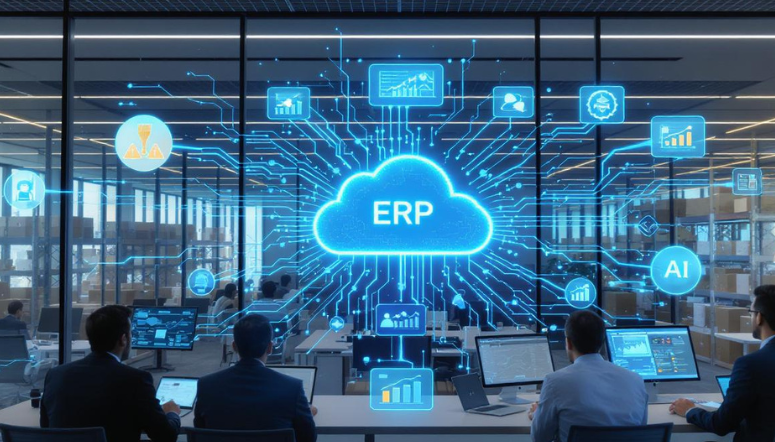
Heineken Simplifies Order & Inventory Management with ERP by connecting critical business functions through a unified platform. The initiative demonstrates how operational technology can support customer satisfaction, strengthen brand relationships, and improve business performance. As organizations continue embracing digital innovation, integrated ERP solutions are becoming valuable assets within the broader MarTech ecosystem.
Connecting Operations with Customer Experience
Modern consumers and business partners expect accurate information, faster service, and greater transparency. Therefore, businesses must ensure that backend operations align with customer expectations. When inventory data, order management systems, and customer communications operate separately, delays and inconsistencies can negatively affect the customer journey.
By implementing ERP driven processes, Heineken created a more connected environment where information flows efficiently across departments. Consequently, customers and distributors gain access to timely updates while internal teams benefit from improved visibility. This alignment helps deliver stronger Customer experience strategies that support long term loyalty and trust.
Moreover, integrated systems allow organizations to respond quickly to changing demand while maintaining consistent service quality across channels.
Creating a Data Driven Business Environment
Data has become one of the most valuable resources in modern marketing and business strategy. However, collecting information alone is not enough. Organizations must transform data into meaningful insights that support better decisions and improved outcomes.
Heineken Simplifies Order & Inventory Management with ERP by centralizing operational and customer related information into a single platform. As a result, decision makers gain a clearer understanding of purchasing behavior, inventory performance, and order patterns.
This approach supports Data driven marketing by enabling teams to identify trends, anticipate customer needs, and optimize engagement strategies. Additionally, real time reporting improves responsiveness and helps businesses adapt more effectively to market changes.
Improving Order Accuracy and Customer Satisfaction
Accurate order fulfillment plays a significant role in customer perception. Delayed deliveries, inventory shortages, and order errors can weaken customer confidence and impact brand reputation. Therefore, businesses are increasingly investing in technologies that enhance operational precision.
With ERP integration, Heineken streamlined order processing and reduced the need for manual intervention. Consequently, information moves seamlessly across systems, minimizing errors and improving fulfillment speed.
Meanwhile, customers benefit from greater transparency throughout the purchasing process. Access to accurate order information helps set clear expectations and creates a smoother overall experience. In contrast, organizations that rely on disconnected processes often struggle to provide the same level of consistency and reliability.
Strengthening Brand Engagement Through Digital Innovation
Successful marketing technology initiatives extend beyond automation. They create meaningful interactions that strengthen relationships between brands and customers. Digital platforms that improve accessibility and convenience often contribute directly to stronger engagement outcomes.
Heineken’s ERP strategy demonstrates how operational improvements can support Brand engagement strategies. Customers who receive accurate information and dependable service are more likely to develop positive perceptions of a brand.
Similarly, integrated systems provide valuable opportunities for personalized communication. By understanding customer behaviors and transaction patterns, businesses can deliver more relevant messaging and create stronger connections throughout the customer lifecycle.
These advancements reflect broader Digital marketing innovations that are reshaping how organizations engage audiences in increasingly competitive markets.
Supporting Smarter Marketing Decisions
Marketing leaders are under constant pressure to demonstrate measurable results. Consequently, access to accurate data has become essential for strategic planning and performance evaluation.
ERP platforms contribute valuable insights that extend beyond supply chain operations. Information related to purchasing trends, customer preferences, and order activity can help marketing teams refine campaigns and improve targeting efforts.
Additionally, businesses can use operational data to support Marketing trends analysis and identify emerging opportunities. As customer expectations continue evolving, access to integrated insights enables organizations to remain agile and responsive.
Furthermore, collaboration between operational and marketing teams becomes more effective when both groups rely on the same source of truth.
The Expanding Influence of Technology Across the MarTech Ecosystem
The modern MarTech landscape continues to evolve as organizations seek new ways to connect technology, data, and customer engagement. ERP solutions are increasingly becoming part of this ecosystem because they provide valuable operational intelligence that supports broader business objectives.
Heineken Simplifies Order & Inventory Management with ERP while also demonstrating how enterprise technology contributes to marketing success. As a result, businesses gain the ability to improve efficiency, strengthen customer relationships, and support long term growth through integrated digital strategies.
Moreover, these developments align with ongoing Technology insights that highlight the importance of connected platforms in driving innovation and competitive advantage.
What Businesses Can Learn from Heineken’s Approach
Organizations exploring digital transformation can learn valuable lessons from Heineken ERP initiative. The first is the importance of connecting operational systems with customer facing experiences. When information flows seamlessly across the business, both efficiency and satisfaction improve.
Additionally, investing in centralized data platforms creates opportunities for more informed decision making. Companies that embrace integrated technologies are often better positioned to support Data driven marketing and enhance customer engagement.
As technology continues advancing, ERP systems are expected to play an even larger role within marketing ecosystems. Artificial intelligence, predictive analytics, and automation capabilities will further expand their value, creating new opportunities for growth and innovation.
Future Outlook for ERP and Marketing Technology
The future of marketing technology will depend heavily on how effectively organizations integrate operational intelligence with customer engagement strategies. ERP platforms are evolving beyond traditional resource management tools and becoming critical components of connected digital ecosystems.
Businesses that leverage these technologies can gain deeper customer insights, improve responsiveness, and create more personalized experiences. Therefore, the integration of ERP and marketing technology is likely to remain a major focus for organizations seeking sustainable competitive advantages in an increasingly digital world.
Explore more expert Technology insights, Marketing trends analysis, and Digital marketing innovations on MarTechInfoPro.com.
Stay informed with the latest developments shaping customer engagement, data driven marketing, and the future of marketing technology.