Email remains one of the most important communication channels for modern businesses. Yet, behind successful campaigns and carefully designed newsletters, a growing problem is affecting marketers and customers alike. The hidden email crisis is making it increasingly difficult for legitimate business emails to reach the inbox.
IBM reported that undelivered emails in the United States could represent around 60 billion dollars in potential losses each year. The report also noted that approximately one in six legitimate marketing emails never reaches the intended inbox. Consequently, email deliverability has become an important marketing technology issue rather than simply an operational concern.
Why Email Deliverability Has Become a Business Issue
Email marketing depends on one basic requirement. The message must actually reach the customer. However, sophisticated spam filters, changing provider requirements, domain reputation, and customer engagement signals can all influence inbox placement.
Therefore, even businesses that follow standard email practices can experience unexpected deliverability problems. Gmail, Microsoft, Yahoo, and other providers use different systems to evaluate incoming messages. These systems increasingly rely on machine learning and large amounts of behavioral data to determine which messages appear trustworthy.
For marketers, this creates a difficult environment. A campaign can be technically correct and still fail to generate results because customers never see it.
The Financial Impact Behind the Problem
The financial consequences can extend far beyond missed email opens. When marketing messages disappear into spam folders, businesses can lose leads, sales opportunities, subscriptions, and customer interactions.
IBM highlighted the experience of Bouncer, whose marketing emails began landing in spam after changes involving its customer relationship management system, sending patterns, and IP addresses. The company experienced a major disruption during an important sales period and needed months of work to restore its email performance.
Similarly, the newsletter Study Hall reportedly saw its open rate fall from around 80 percent to 10 percent after experiencing spam and phishing warnings. These examples demonstrate how quickly email problems can affect customer relationships and revenue.
Technology Is Changing the Email Ecosystem
Meanwhile, email providers are using increasingly sophisticated technology to protect customers from unwanted messages. Machine learning systems can analyze sender behavior, message patterns, authentication signals, and recipient engagement.
This evolution represents an important area for technology insights because email marketing is becoming closely connected with artificial intelligence, data analysis, cybersecurity, and marketing automation.
However, greater automation also creates challenges for legitimate businesses. Marketers may not always know exactly why their emails have been filtered. As a result, diagnosing deliverability problems can become a complicated process.
Authentication Has Become Essential
Email authentication is now a fundamental part of responsible digital marketing. Sender Policy Framework helps verify whether an email originates from an authorized server. DomainKeys Identified Mail adds a digital signature, while Domain based Message Authentication, Reporting and Conformance provides instructions for handling messages that fail authentication checks.
These technologies help mailbox providers distinguish legitimate senders from organizations attempting to impersonate trusted domains. IBM reported that Google, Yahoo, and Microsoft have requirements around authentication for bulk senders, making technical email infrastructure increasingly important for marketing teams.
Therefore, marketing departments can no longer treat email infrastructure as something handled entirely in the background. It directly influences campaign performance and customer experience.
Customer Engagement Influences Inbox Placement
Interestingly, the problem is not only technical. Customer behavior has become an important signal for email providers.
When subscribers regularly open, click, reply to, or otherwise interact with messages, those signals can contribute to a sender’s reputation. In contrast, repeated inactivity, spam complaints, and frequent unsubscribes can create challenges for future campaigns.
Consequently, customer experience strategies should become part of email deliverability planning. Sending more messages does not automatically produce better results. Instead, brands need to understand what customers actually want to receive and when they want to receive it.
Data driven marketing provides a stronger foundation for solving these challenges. Rather than sending the same message to an entire database, businesses can analyze customer behavior and create more relevant audience segments.
Inactive subscribers, highly engaged customers, recent buyers, and prospects can receive different communication based on their relationship with the brand. Moreover, marketers can use engagement data to identify which content generates meaningful responses.
This approach supports stronger brand engagement strategies because customers receive communication that is more relevant to their interests. It can also reduce unnecessary messages and improve the overall quality of an email database.
The Role of Marketing Automation
Marketing automation can further improve email performance by helping companies deliver messages based on customer actions rather than relying entirely on mass campaigns.
For example, a customer who downloads a report can receive relevant follow up communication, while a recent purchaser can receive information related to product usage or additional services. As a result, automated communication can become more timely and useful.
Additionally, automation platforms can help marketing teams monitor engagement and identify inactive audiences. These capabilities connect email marketing with broader digital marketing innovations and make campaign management more responsive.
What the Email Crisis Means for the Future
The hidden email crisis is likely to become more complex as artificial intelligence, automation, cybersecurity, and personalization continue to reshape the MarTech ecosystem.
Marketers will need to think beyond attractive designs and strong subject lines. Technical authentication, sender reputation, audience quality, engagement, personalization, and customer behavior will increasingly work together to determine campaign success.
Furthermore, marketing trends analysis suggests that email will remain valuable because it provides brands with a direct communication channel. However, maintaining that channel will require stronger collaboration between marketing, technology, data, and security teams.
The most important lesson from the hidden email crisis is that successful email marketing begins before a message is sent. Businesses need reliable infrastructure, responsible data practices, relevant content, and a clear understanding of customer expectations.
As the email ecosystem becomes more intelligent, brands that combine technology insights with customer experience strategies and data driven marketing can create communication that customers actually want to receive. That shift can protect revenue while also building stronger and more sustainable relationships with audiences.
Practical Insights for Modern Marketers
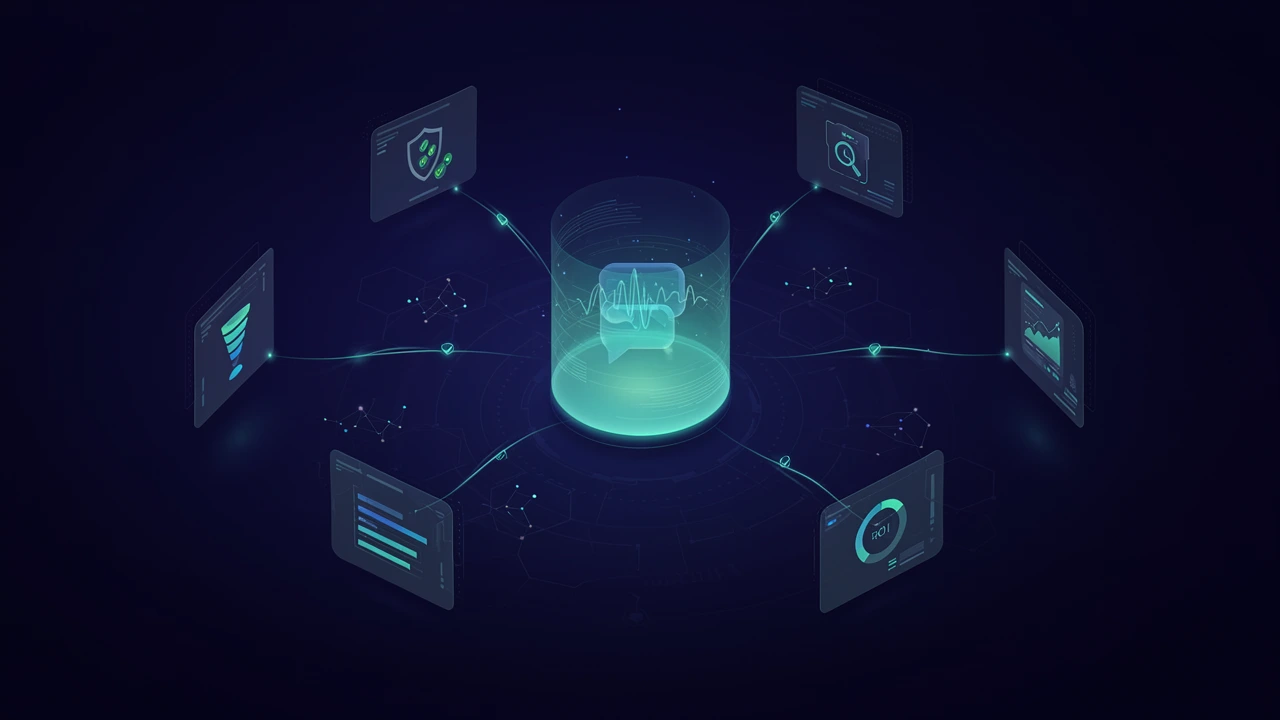
Email performance should increasingly be treated as a complete ecosystem rather than a single campaign metric. Inbox placement, authentication, engagement, customer behavior, and revenue are connected, so marketers need measurement strategies that bring these signals together.
Consequently, the future of email marketing will depend not only on reaching more inboxes but on reaching the right customers with useful and relevant communication. Brands that adapt their technology, data, and content strategies accordingly can turn email from a hidden business risk into a stronger customer engagement channel.
Explore more expert marketing technology insights and digital marketing innovations on MarTechInfoPro.com.
Source : ibm.com