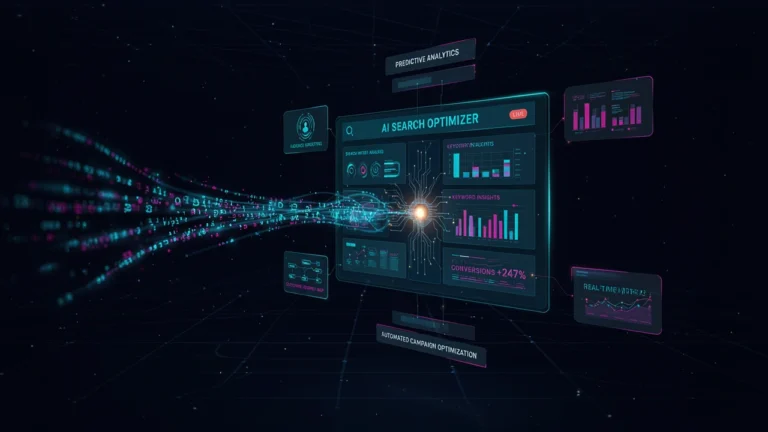
Artificial intelligence is moving beyond simple chatbots and automated recommendations. Across the United States, businesses are exploring AI agents that can interpret information, complete tasks and support decisions with less human intervention. As a result, automation is becoming increasingly connected to everyday business processes rather than remaining an experimental technology.
For marketing teams, this shift could have a particularly significant impact. AI agents can help analyze customer information, coordinate campaigns, personalize communication and support customer interactions. Meanwhile, marketing leaders are looking at how these capabilities can improve efficiency without losing the human element that remains essential to strong customer relationships.
Why Businesses Are Exploring AI Agents
Traditional automation generally follows predefined instructions. AI agents can operate with greater flexibility by interpreting information, determining appropriate actions and responding to changing circumstances.
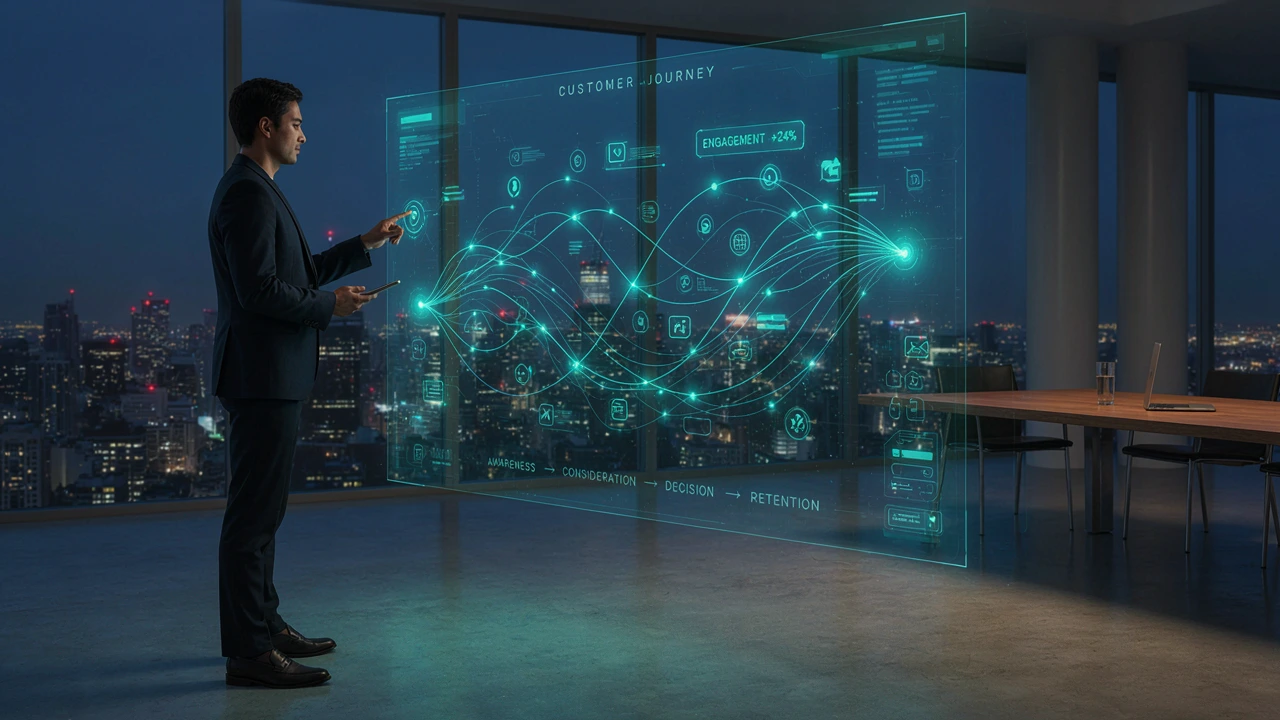
Consequently, businesses are exploring agent based systems for tasks that previously required multiple tools and manual steps. A marketing workflow, for example, could involve collecting customer information, analyzing engagement, preparing personalized content and monitoring campaign performance.
Moreover, connecting these activities through intelligent systems can give teams more time to focus on strategy, creativity and customer relationships.
Marketing Teams See New Opportunities
Marketing departments generate and manage large amounts of information every day. Campaign data, customer interactions, website behaviour and engagement signals can become difficult to analyze manually.
AI agents can help bring these sources together and identify relevant patterns. Therefore, marketers can potentially respond to customer behaviour more quickly and develop more personalized experiences.
Data driven marketing is becoming increasingly important as businesses seek measurable results from their digital investments. AI agents could strengthen this approach by continuously analyzing information and helping teams identify opportunities for optimization.
Customer Experience Is Becoming More Intelligent
Customer expectations continue to evolve alongside digital technology. People increasingly expect brands to understand their needs and provide fast, relevant interactions across different channels.
AI agents could support this expectation by assisting customers, identifying common problems and directing conversations toward appropriate solutions. However, effective customer experience requires more than speed. Customers also expect accuracy, transparency and consistency.
For this reason, Customer experience strategies should combine intelligent automation with thoughtful human involvement. The technology can handle repetitive interactions, while employees can focus on complex situations that require empathy, judgment or creativity.
Personalization at Greater Scale
Personalization has long been a goal for digital marketers. Yet creating individualized experiences for large audiences can require significant amounts of data and operational effort.
AI agents may make this process more scalable. They can analyze customer signals and help determine which content, offers or communication channels may be most relevant.
Additionally, Brand engagement strategies can become more responsive when marketing systems continuously learn from customer interactions. Instead of relying entirely on static audience segments, businesses can use changing behavioural signals to refine their communication.
Nevertheless, personalization must be balanced with responsible data practices. Customers need confidence that their information is being handled appropriately.
AI Agents and the MarTech Ecosystem
The rise of AI agents is also changing the broader MarTech ecosystem. Marketing platforms that once operated as separate systems are increasingly being connected through APIs, automation tools and intelligent workflows.
As a result, marketers may be able to coordinate customer data platforms, analytics systems, advertising tools and content platforms through increasingly automated processes.
Technology insights are particularly valuable in this environment because the technology landscape is changing rapidly. Marketing leaders need to understand not only what new tools can do but also how those tools fit into existing systems and business objectives.
The Importance of Better Data
AI agents are only as effective as the information available to them. Poor quality, outdated or disconnected data can lead to weak recommendations and inefficient decisions.
Therefore, businesses should continue investing in data quality, governance and integration. Clean customer information can help AI systems produce more useful outputs, while clear permissions can reduce unnecessary privacy risks.
Similarly, Data driven marketing requires teams to understand where information originates, how it is processed and how it contributes to customer experiences.
Digital Innovation Changes the Role of Marketers
Automation does not necessarily mean that marketing teams become less important. Instead, it can change where people spend their time.
When repetitive activities are automated, marketers can devote more attention to creative development, strategic planning, customer research and brand building. Consequently, digital innovation can become a way to enhance human capabilities rather than simply replace manual work.
Marketing trends analysis also shows why adaptability matters. As AI becomes embedded in more marketing platforms, professionals will need to understand both marketing fundamentals and emerging technologies.
Challenges Businesses Need to Consider
Despite the potential benefits, organizations should approach AI agents carefully. Automated systems can create problems when they operate with inaccurate data, unclear instructions or insufficient oversight.
Furthermore, businesses need to consider privacy, security, accountability and brand consistency. A poorly configured AI system could create an inconsistent customer experience or make decisions that do not align with company policies.
In contrast, organizations that establish clear governance and human review processes can create stronger foundations for responsible adoption.
What Comes Next for AI Powered Marketing
The next stage of AI adoption is likely to involve deeper integration between intelligent systems and marketing operations. Instead of using AI as an isolated tool, businesses may increasingly connect agents with customer data, analytics, content creation and campaign management.
As a result, marketing workflows could become more adaptive and responsive. Teams may be able to identify customer opportunities faster, test ideas more efficiently and adjust campaigns based on real time signals.
However, the organizations that gain lasting value will likely be those that combine automation with strong strategy. Technology can accelerate processes, but understanding customers remains at the heart of effective marketing.
Insights for the Future
AI agents are becoming an important part of the conversation around business automation in the United States. Their potential extends from marketing operations and personalization to customer service, analytics and campaign optimization.
For marketing professionals, the opportunity is not simply to automate more tasks. Instead, the focus should be on creating smarter workflows that improve customer experiences while giving teams more time for strategic and creative work.
Explore more Technology insights and Marketing trends analysis with MarTechInfoPro.com.
Stay informed with practical perspectives on digital innovation, customer experience and the evolving MarTech landscape.