Turning Employee Feedback Into Positive Workplace Change has become a defining priority for organizations that want to stay competitive in a rapidly evolving digital environment. Employees interact with customers, technology, and internal processes every day, making their observations valuable sources of innovation. When businesses actively listen and respond, they build stronger teams while creating better experiences for customers and stakeholders alike.
As organizations embrace digital transformation, employee feedback has become more than an internal communication tool. It now supports technology insights that reveal operational challenges, identify opportunities for automation, and improve collaboration across departments. As a result, companies that value employee perspectives often develop stronger workplace cultures and achieve sustainable business growth.
Building a culture that encourages honest feedback
Creating an open workplace starts with trust. Employees are more likely to share meaningful suggestions when they know their opinions are respected and their concerns will receive thoughtful consideration. However, collecting feedback alone is not enough. Leaders must demonstrate that every contribution has the potential to influence meaningful decisions.
Moreover, organizations increasingly rely on digital platforms to gather continuous feedback rather than waiting for annual surveys. These intelligent systems provide real time insights that help managers understand employee sentiment while identifying recurring themes. Consequently, businesses respond more quickly to workplace challenges before they affect productivity or customer satisfaction.
A transparent feedback culture also strengthens collaboration. Teams that communicate openly tend to adapt more effectively to change, making innovation a shared responsibility rather than a leadership initiative alone.
Connecting employee feedback with marketing success
Many organizations overlook the connection between employee experiences and marketing performance. In reality, engaged employees often deliver better customer interactions, stronger brand messaging, and improved service quality. Therefore, turning employee feedback into actionable improvements directly supports long term business success.
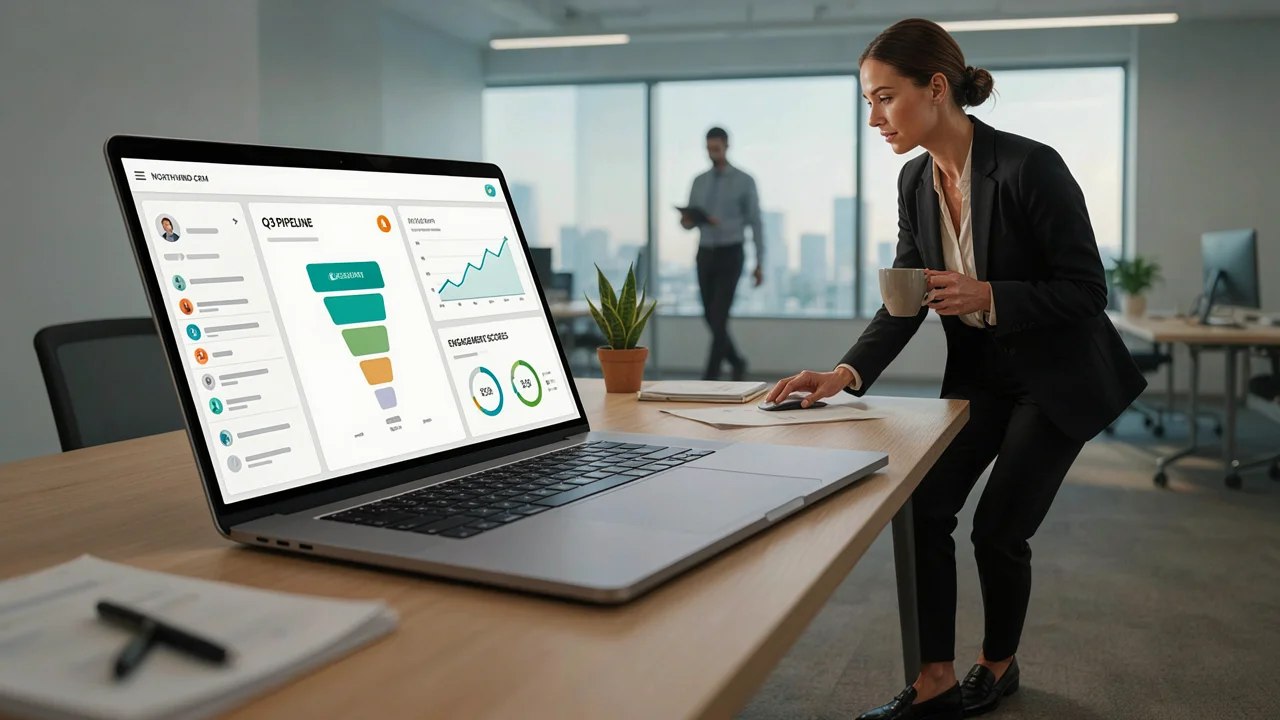
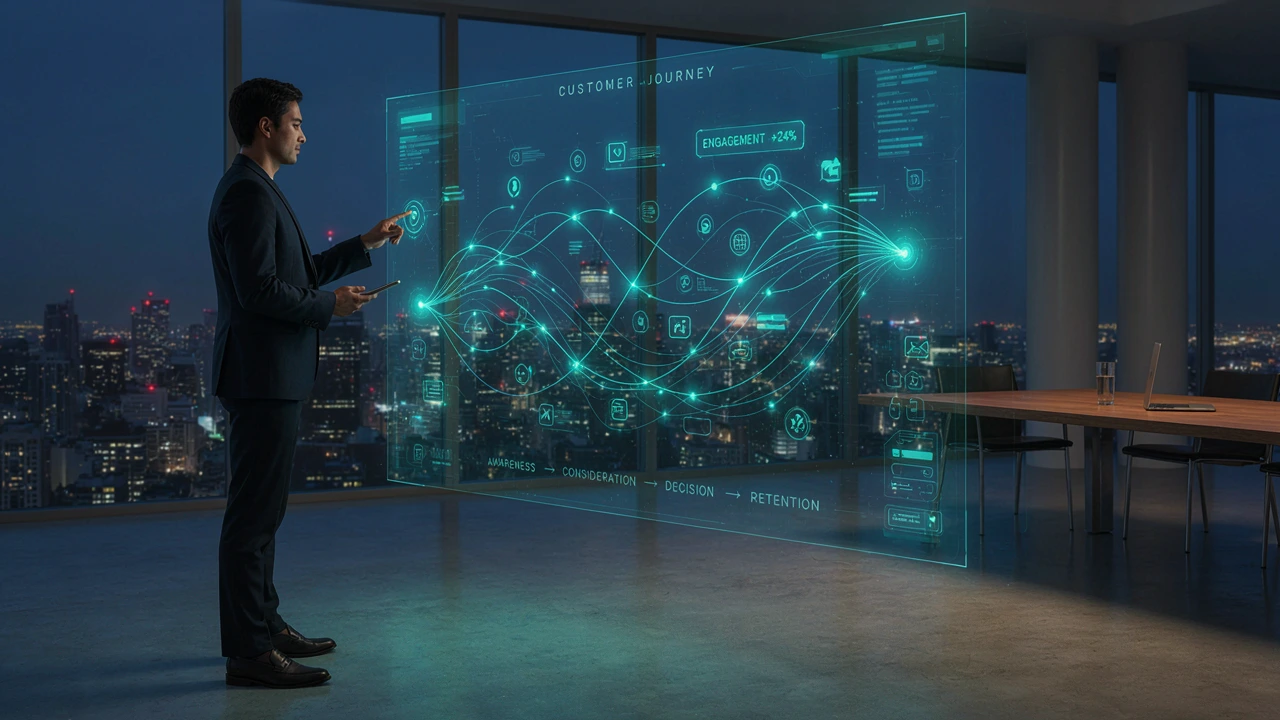
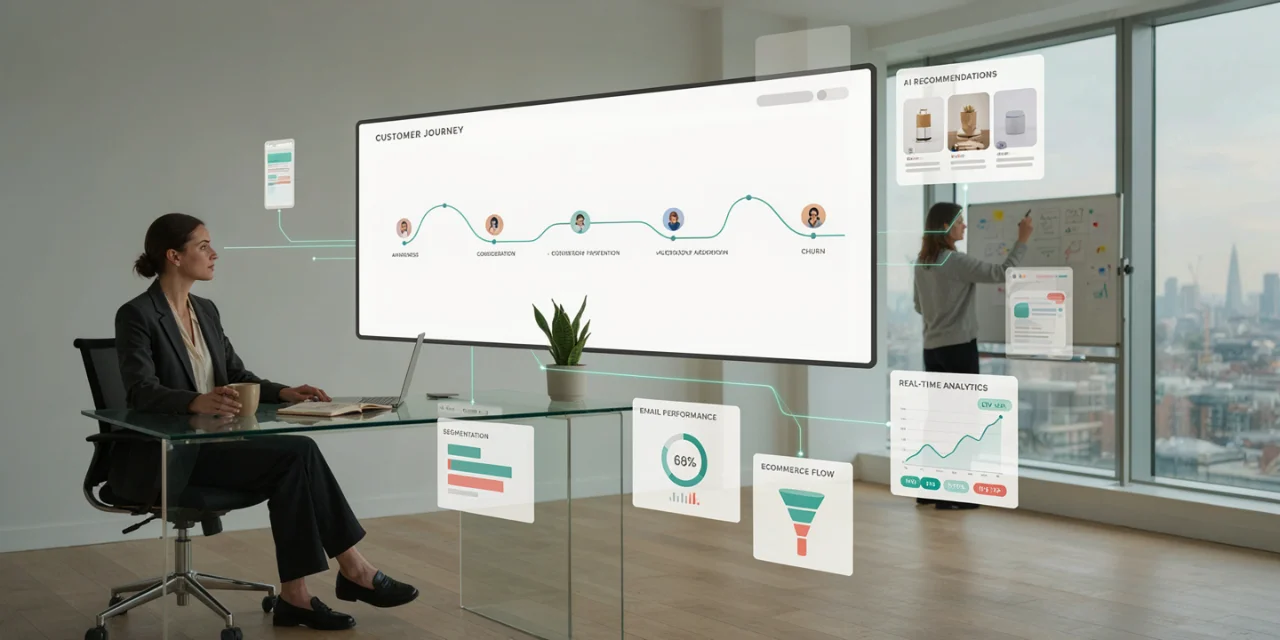
Marketing leaders increasingly combine employee feedback with customer experience strategies to identify gaps between internal operations and external expectations. When both perspectives align, businesses create more consistent customer journeys and stronger brand relationships.
Similarly, employees frequently identify opportunities that inspire digital marketing innovations. Frontline teams often notice customer behaviors before formal research reveals emerging patterns. Their practical knowledge becomes an important source of creative marketing solutions that improve engagement and campaign performance.
Technology as a catalyst for workplace improvement
Technology continues to reshape how organizations collect, analyze, and respond to employee feedback. Artificial intelligence powered analytics platforms transform thousands of comments into meaningful recommendations, allowing leaders to focus on the issues that matter most.
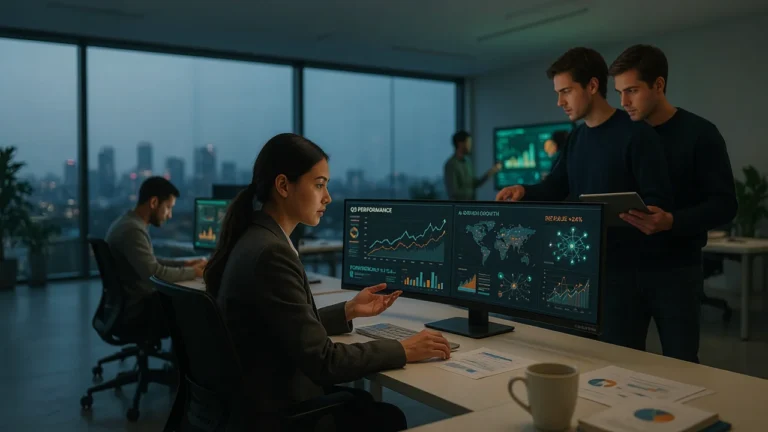
Additionally, cloud based collaboration tools make communication easier across distributed teams. Employees can provide feedback anytime, while managers receive dashboards that highlight trends and performance indicators. These technology insights support faster decision making while reducing communication barriers between departments.
Meanwhile, predictive analytics helps organizations anticipate workforce concerns before they become significant challenges. Businesses that embrace data driven approaches often experience stronger employee satisfaction alongside improved operational efficiency.
Using data to create meaningful workplace change
Turning Employee Feedback Into Positive Workplace Change becomes more effective when supported by data driven marketing principles. Organizations already analyze customer behavior through advanced analytics, and similar methods can strengthen employee engagement initiatives.
Data driven marketing encourages evidence based decisions rather than assumptions. Likewise, workplace improvement efforts become more successful when leaders examine measurable trends instead of isolated opinions. Consequently, businesses prioritize initiatives that produce lasting value for employees and customers.
Marketing trends analysis also contributes to this process by revealing how workforce expectations evolve alongside industry changes. Companies that adapt quickly remain attractive employers while strengthening their competitive position in the marketplace.
Creating stronger customer experiences through engaged employees
Employees who feel heard are more likely to deliver exceptional customer service. Positive workplace experiences naturally influence customer interactions because motivated teams communicate with greater confidence, empathy, and consistency.
Furthermore, customer experience strategies become more effective when employees participate in designing service improvements. Their daily interactions provide practical knowledge that complements customer feedback and market research. As a result, businesses create experiences that reflect both organizational goals and real customer expectations.
Brand engagement strategies also benefit from internal collaboration. Employees who understand company values become authentic ambassadors who reinforce consistent messaging across every customer touchpoint. This alignment strengthens trust while supporting long term brand loyalty.
Innovation begins inside the workplace
Innovation rarely appears without collaboration. Organizations that encourage continuous dialogue often discover creative solutions from employees working closest to everyday challenges. However, these ideas only create value when leadership actively supports experimentation and implementation.
Digital innovation platforms now allow employees to submit suggestions, collaborate across departments, and monitor progress as ideas move toward execution. This transparency increases participation while reinforcing a culture of shared ownership.
Moreover, organizations that celebrate successful improvements encourage continuous learning. Employees become more willing to contribute new ideas because they see evidence that thoughtful feedback leads to positive workplace outcomes.
Future opportunities for smarter organizations
Turning Employee Feedback Into Positive Workplace Change will continue shaping the future of modern organizations as artificial intelligence, advanced analytics, and collaborative technologies become even more integrated into daily operations. Businesses that combine employee perspectives with customer intelligence will gain a stronger understanding of market expectations while improving organizational resilience.
Technology insights, marketing trends analysis, customer experience strategies, digital marketing innovations, data driven marketing, and brand engagement strategies will increasingly work together to support both employee satisfaction and business growth. Organizations that embrace this connected approach will be better positioned to adapt, innovate, and deliver lasting value in an increasingly competitive digital economy.
Explore more expert perspectives on marketing technology and digital transformation at MarTechInfoPro.com.
Stay informed with practical insights that help your business grow through innovation, data, and customer focused strategies.