Artificial intelligence has become an essential part of modern marketing. From campaign optimization and audience segmentation to predictive analytics and content recommendations, AI generates a constant stream of insights that help businesses improve performance. However, Not Every AI Finding Deserves Equal Attention because every recommendation does not carry the same strategic value.
As organizations adopt more intelligent marketing platforms, they gain access to larger volumes of customer data and automated analysis. Consequently, marketing teams face a new challenge that goes beyond collecting insights. They must determine which findings deserve immediate action and which should simply be monitored over time.
More Insights Do Not Always Lead to Better Results
AI powered marketing platforms analyze customer behavior, purchasing patterns, website interactions, and campaign performance in real time. As a result, marketers receive hundreds of recommendations that promise better engagement and stronger conversions.
However, acting on every suggestion can overwhelm teams and dilute strategic focus. Moreover, some recommendations produce only marginal improvements while others have the potential to significantly influence customer satisfaction and business growth. Therefore, successful organizations prioritize insights that directly support measurable marketing objectives instead of responding to every automated alert.
Business Context Creates Better Marketing Decisions
The value of an AI generated finding depends on business goals, customer expectations, and market conditions. A recommendation that improves a high performing customer journey may deliver far greater value than one that optimizes a rarely used campaign.
Additionally, marketers should evaluate findings based on audience impact, revenue potential, customer retention, and long term brand value. This broader perspective transforms AI from an automation tool into a strategic decision making partner.
Similarly, organizations that connect marketing intelligence with business priorities create campaigns that are more relevant, more efficient, and more aligned with customer expectations.
Data Driven Marketing Requires Intelligent Prioritization
Successful marketing depends on using information wisely rather than collecting as much data as possible. AI continuously uncovers trends, identifies customer preferences, and predicts future behaviors. Meanwhile, marketing leaders must decide which discoveries deserve investment and immediate execution.
Data driven marketing becomes more effective when organizations combine AI recommendations with customer feedback, campaign objectives, and market research. Consequently, marketing teams avoid unnecessary adjustments while focusing resources on initiatives that deliver meaningful business outcomes.
This balanced approach improves operational efficiency while supporting sustainable growth across multiple marketing channels.
Customer Experience Should Guide Every Decision
Customer expectations continue to evolve as digital experiences become more personalized and responsive. Therefore, organizations should evaluate AI findings according to their ability to improve customer satisfaction rather than simply increasing marketing activity.
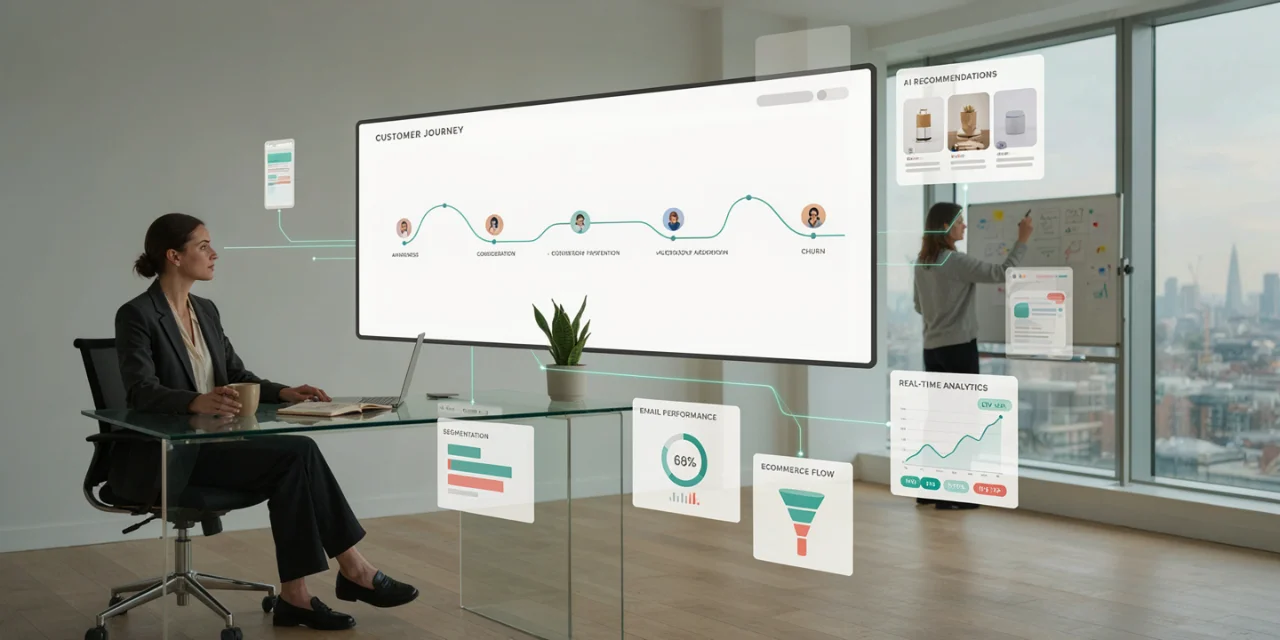
Moreover, personalization recommendations, customer journey improvements, and service enhancements often create stronger long term value than isolated performance metrics. Businesses that place customer needs at the center of every decision strengthen relationships while building lasting trust.
At the same time, marketers rely on Technology insights, Marketing trends analysis, Customer experience strategies, Digital marketing innovations, Data driven marketing, and Brand engagement strategies to understand changing consumer behavior and identify new opportunities for growth.
Human Creativity Still Matters
Artificial intelligence can process enormous amounts of information and identify valuable patterns. However, creativity, emotional understanding, and strategic thinking remain uniquely human strengths. In contrast to automated systems, experienced marketers recognize cultural shifts, customer emotions, and brand identity that cannot always be measured through data alone.
Therefore, the strongest marketing strategies emerge when AI enhances human expertise rather than replacing it. This collaboration allows businesses to create authentic campaigns that connect with audiences while making better use of data driven recommendations.
Looking Ahead with Smarter Marketing Intelligence
Artificial intelligence will continue becoming more sophisticated as marketing technologies evolve. Additionally, businesses will gain even greater access to predictive analytics, customer intelligence, and automated optimization. Nevertheless, long term success will depend on selecting the insights that create measurable value instead of responding to every recommendation.
Organizations that establish clear priorities, continuously evaluate customer needs, and align AI generated insights with business objectives will remain competitive in the evolving MarTech ecosystem. As a result, they will improve marketing performance while delivering more meaningful customer experiences that support sustainable business growth.
Explore MarTechInfoPro.com for expert perspectives on marketing technology, digital innovation, and customer focused strategies shaping the future of modern marketing. Stay connected with MarTechInfoPro.com for practical insights that help your business transform data into smarter marketing success.