B2B marketing is becoming increasingly dependent on timely signals that reveal what potential customers are researching and when they may be ready to engage. In this changing environment, Intentsify has partnered with Clay to bring buyer intent data directly into go to market workflows.
Announced in August 2026, the Clay and Intentsify integration makes account level intent and persona level signals available within Clay. The companies say this allows marketers, sales teams and go to market engineers to use buyer intelligence within workflows, agents and campaigns instead of managing intent information separately.
Why Intent Data Matters for Modern Marketing
Traditional demand generation often relies on broad audience targeting and historical customer information. However, intent data provides another layer by showing what companies and buying groups are actively researching.
Intentsify says its buyer intelligence is based on 1.1 trillion monthly intent signals from nine source types, covering 4.2 million in market accounts and more than 33,000 topics. These signals are designed to help organizations understand not only which accounts may be relevant but also what they are currently interested in.
Therefore, intent data can become particularly useful when marketing teams need to prioritize audiences and create more relevant engagement.
Bringing Buyer Signals Into Existing Workflows
One of the important aspects of the partnership is that intent information can be accessed inside Clay rather than requiring marketers to work across another separate system.
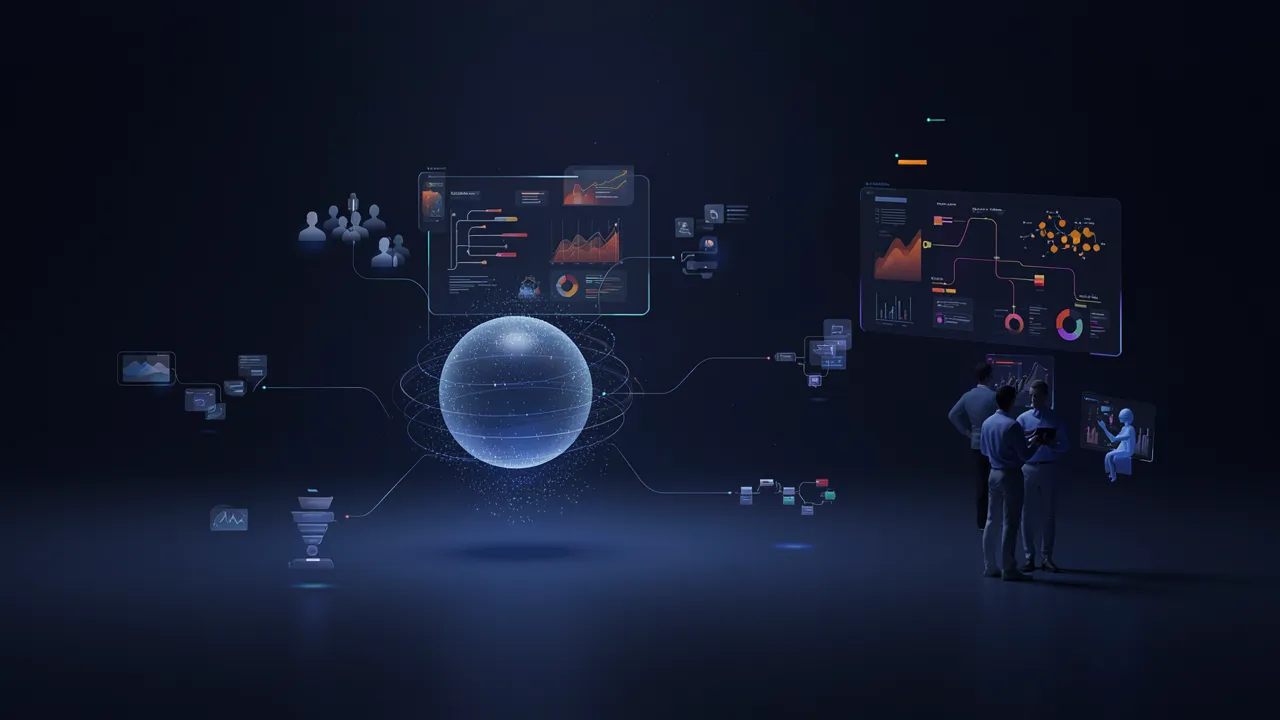
Clay provides an orchestration environment where teams can combine data, workflows and AI agents. With Intentsify data available through Clay, teams can incorporate intent signals into account research, enrichment, scoring, outreach and advertising activities.
Meanwhile, marketers can use these signals alongside other business indicators such as job changes, funding announcements, hiring activity and website behavior. As a result, campaign decisions can be based on a broader view of potential customer activity.
From Account Intent to Buying Group Intelligence
B2B purchasing decisions rarely involve a single person. Multiple stakeholders may research different aspects of a product before an organization moves toward a purchase.
The integration therefore places attention on both account level and persona level signals. Teams can identify accounts showing increased interest while also examining the roles and individuals associated with specific research activity.
This approach supports more precise customer experience strategies because different stakeholders can receive communication that better reflects their interests and responsibilities.
Supporting Data Driven Marketing
Data driven marketing increasingly depends on combining multiple signals rather than relying on a single source of information. Intent data can add behavioral context to existing customer and company records.
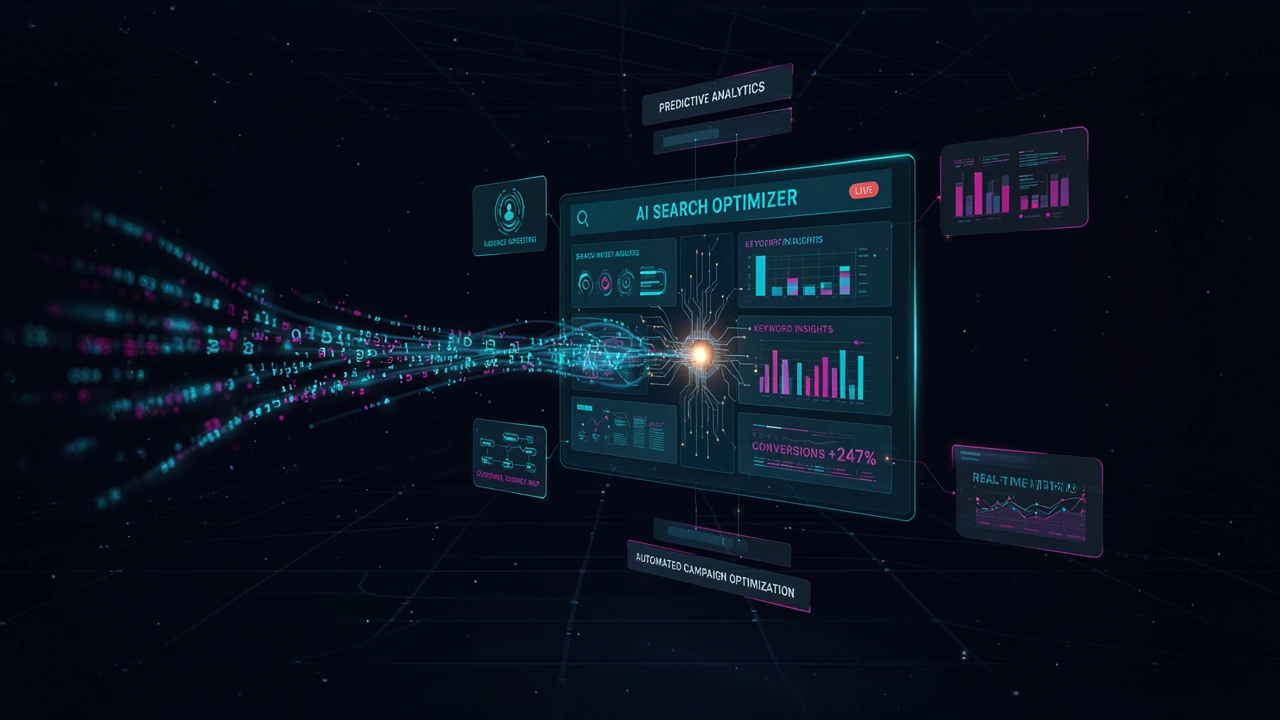
Within Clay, Intentsify signals can be used for real time enrichment and segmentation. Teams can examine intent by factors such as job function, seniority or geography and then use those signals within automated workflows.
Additionally, marketers can use the information to discover new accounts showing interest in relevant topics. This creates opportunities to expand target markets while maintaining a more focused approach to demand generation.
AI Agents Gain More Context
The partnership also reflects a wider change in the MarTech ecosystem as AI agents become increasingly involved in go to market activities.
An AI agent can only make useful decisions when it has access to relevant and reliable information. By making buyer intent available inside existing workflows, teams can give agents another source of context for prioritization, scoring and personalization.
Consequently, intent data can become part of an automated decision process rather than simply appearing in a report that marketers review manually.
Implications for Digital Marketing Innovation
The development highlights an important direction in digital marketing innovations. Marketing platforms are increasingly moving toward connected ecosystems where data can travel directly into activation workflows.
Instead of collecting intent information and manually transferring insights into another system, marketers can incorporate signals into the same environment used for campaign execution and customer engagement.
Moreover, this model can support faster responses when buyer behavior changes. A rise in research activity around a particular topic may provide a signal for marketers to adjust messaging, audience priorities or outreach timing.
Improving Brand Engagement Strategies
Relevant timing is becoming increasingly important for B2B brand engagement strategies. Sending a generic message to an account with no active interest can create limited value. In contrast, understanding current research behavior can help marketers develop communication that is more aligned with customer needs.
The Intentsify and Clay integration is designed to help teams identify active research patterns and use them to support personalized engagement. The companies describe this as a way to help teams understand who to target, when to engage and why a particular account may be relevant.
However, marketers still need to combine automated signals with thoughtful messaging and strong customer experience practices.
What the Partnership Says About the MarTech Ecosystem
The partnership illustrates how marketing technology is moving from disconnected tools toward integrated data and orchestration environments. Intentsify brings buyer intelligence, while Clay provides infrastructure for combining data and activating workflows.
Demand Gen Report noted that the integration allows Intentsify data to be used within Clay tables, workflows and agents for activities including enrichment, scoring, outbound campaigns and advertising.
These developments suggest that future MarTech platforms may increasingly compete on how effectively they connect data with action.
Technology Insights for Future Demand Generation
The Intentsify and Clay partnership provides a useful example of how intent data can become more actionable when connected directly to marketing and sales workflows. The broader trend is toward systems that can detect buying signals, interpret context and help teams respond faster.
For marketers, the practical lesson is that data quality and workflow integration are becoming just as important as campaign creativity. Furthermore, organizations exploring AI driven marketing should consider whether their data provides enough context for automated systems to make useful decisions.
As the MarTech ecosystem continues to evolve, intent data, AI agents and workflow orchestration are likely to become increasingly interconnected. The companies that build these connections thoughtfully can create more relevant engagement while giving marketing teams greater visibility into changing buyer behavior.
Discover more technology insights, marketing trends analysis and digital marketing innovations on MarTechInfoPro.com.
Explore expert perspectives on data driven marketing and the future of customer engagement.
Source : demandgenreport.com