Email remains one of the most valuable channels for brands, but the way businesses approach it is changing rapidly. In 2026, customers expect relevant communication, useful content, and experiences that feel personalized rather than automated.
As a result, smarter email marketing strategies are moving beyond simply sending promotional messages to large contact lists. Brands are now combining artificial intelligence, behavioral data, automation, and customer insights to create more meaningful conversations.
Meanwhile, consumers are becoming more selective about the messages they open and the brands they trust. Therefore, relevance has become just as important as reach.
AI Is Changing Email Campaign Planning
Artificial intelligence is becoming an important part of modern marketing technology. AI can analyze customer behavior, identify engagement patterns, recommend content, and help marketers determine when audiences are most likely to interact with an email.
Moreover, generative AI can accelerate content creation while allowing marketers to experiment with different subject lines, messages, and creative concepts. However, automation should support human creativity rather than replace it.
The strongest approach combines machine driven insights with human judgment. Technology insights can help marketers understand what is happening within their campaigns, while experienced marketing teams can determine why those patterns matter.
Personalization Goes Beyond First Names
Personalization in 2026 is becoming much more sophisticated than adding a customer’s name to an email. Customers increasingly expect brands to understand their interests, previous interactions, purchase behavior, and preferences.
For example, an ecommerce brand can recommend products based on browsing behavior, while a software company can send educational content based on how a customer uses its platform.
Consequently, personalization can become part of a broader customer experience strategy rather than an isolated email tactic. When messages reflect genuine customer needs, engagement becomes more natural.
Data Driven Marketing Improves Decision Making
Effective campaigns depend on accurate and useful data. Marketers can examine engagement patterns, purchase history, website activity, customer lifecycle stages, and campaign performance to create more relevant communication.
However, collecting more data does not automatically produce better marketing. Businesses need to understand which information is meaningful and how it can improve customer experiences.
Data driven marketing works best when teams connect customer insights with clear business objectives. Instead of measuring every available metric, marketers can focus on signals that reveal engagement, retention, conversion, and customer value.
Automation Makes Customer Journeys More Relevant
Email automation allows brands to communicate with customers at important moments throughout their relationship. Welcome messages, product education, abandoned cart reminders, renewal notifications, and re engagement campaigns can all be triggered by customer behavior.
Additionally, modern automation platforms can support increasingly complex journeys. A customer’s actions can influence what message they receive next, creating a more responsive experience.
As a result, automated campaigns can feel less like scheduled broadcasts and more like personalized conversations. Nevertheless, marketers should regularly review automated journeys to ensure the content remains useful and current.
Customer Experience Should Drive Email Strategy
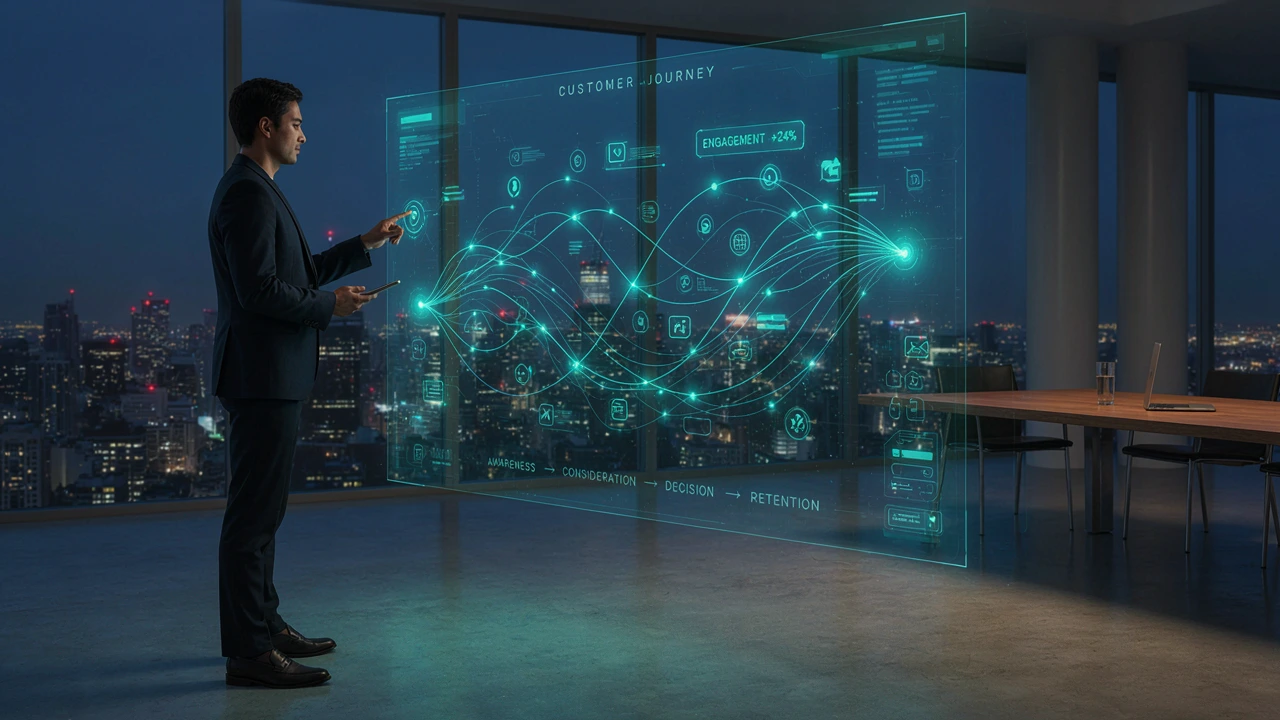
Email should not operate separately from the rest of the customer journey. A customer may discover a brand through social media, visit its website, interact with a chatbot, and eventually receive an email.
Therefore, marketing teams need to connect these touchpoints. Consistent messaging across channels can make the customer experience smoother and strengthen trust.
Customer experience strategies should focus on what customers need at each stage rather than simply increasing message frequency. Sometimes the smartest email is the one that provides useful information without immediately asking for a purchase.
Interactive Content Can Increase Engagement
Traditional email formats are evolving as marketers experiment with interactive experiences. Dynamic recommendations, surveys, personalized offers, product previews, and other engaging elements can make messages more useful.
However, creativity should not come at the expense of usability. Emails need to load efficiently, work across devices, and remain accessible to different audiences.
Similarly, brands should make sure interactive elements support a clear purpose. Every feature should contribute to the customer’s experience rather than simply making the email look more impressive.
Privacy Is Becoming Part of Brand Trust
Consumers are increasingly aware of how their information is collected and used. Consequently, marketers must approach personalization with greater responsibility.
Transparent data practices can strengthen customer confidence, while excessive targeting can create discomfort. Brands should therefore communicate clearly about preferences, consent, and data usage.
Digital marketing innovations will continue to create new opportunities for personalization, but long term success will depend on balancing relevance with respect for customer privacy.
Testing Is Becoming More Strategic
Testing remains essential for improving campaign performance. However, marketers are increasingly moving beyond simple subject line experiments.
Teams can test content formats, personalization approaches, sending times, calls to action, audience segments, and customer journey sequences. Moreover, AI powered analytics can help identify patterns that may not be obvious from individual campaigns.
This creates a continuous learning process. Each campaign can provide information that improves the next customer interaction.
Brand Engagement Requires Consistency
Strong email performance depends on more than attractive messages. Customers need to recognize a consistent brand voice and understand what value they can expect from each communication.
Brand engagement strategies should therefore connect email content with broader brand positioning. Educational content, useful recommendations, exclusive experiences, and personalized communication can help create stronger relationships.
In contrast, excessive promotional messaging can reduce engagement and encourage subscribers to ignore future communications.
The Future of Email Marketing in 2026
The future of email marketing will be shaped by intelligent automation, better customer data, stronger personalization, and increasingly connected MarTech platforms. At the same time, marketers will need to maintain a human perspective.
Technology can identify patterns and automate decisions, but successful marketing still depends on understanding people. The brands that combine technology with empathy will be better positioned to create meaningful customer experiences.
Marketing trends analysis also suggests that email will increasingly operate as part of an integrated digital ecosystem rather than as an independent communication channel.
Practical Insights for Smarter Campaigns
Businesses should treat every email as part of a larger customer relationship. Start with reliable data, define the purpose of each communication, personalize where it genuinely adds value, and use automation to make customer journeys more responsive.
Moreover, marketers should continuously test and refine their campaigns while paying close attention to privacy and customer expectations. The goal is not simply to send more emails but to deliver better experiences.
Smarter email marketing strategies can help brands build stronger engagement when technology, data, creativity, and customer understanding work together.
Explore more Technology insights, Marketing trends analysis, and Digital marketing innovations with MarTechInfoPro.com.
Discover practical marketing technology insights designed to help your brand create stronger customer relationships and sustainable growth. after a data breach.