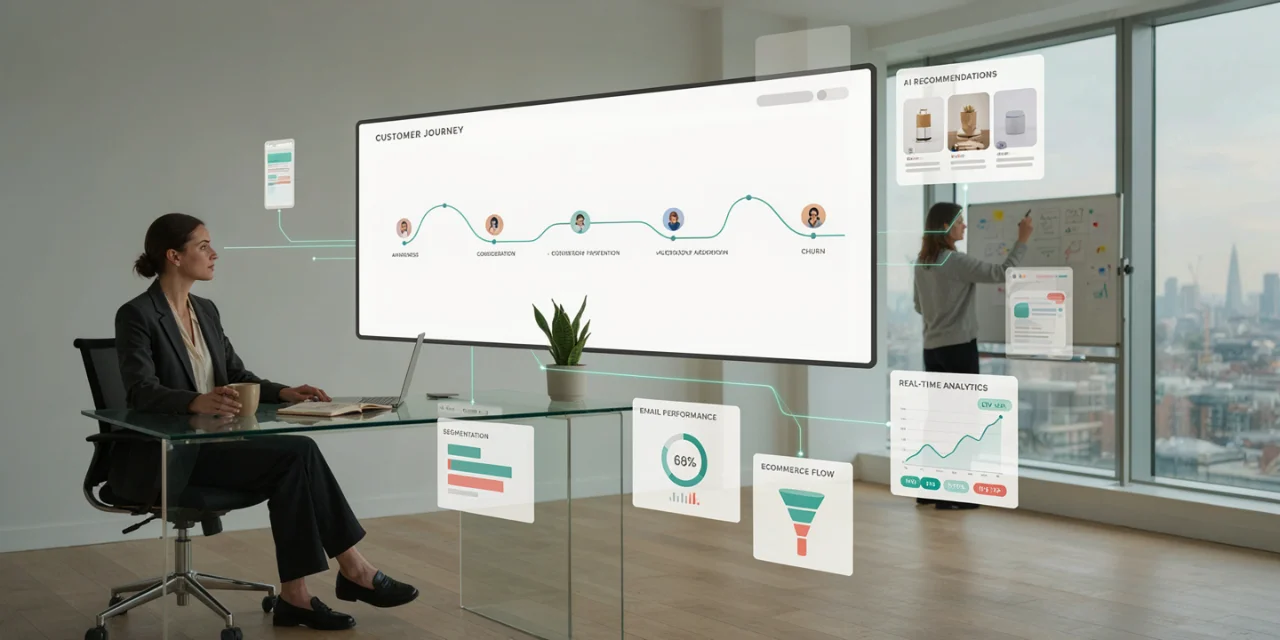
Marketing technology has become the engine behind modern customer engagement. From customer data platforms to marketing automation and personalized campaigns, businesses rely on connected digital systems to deliver meaningful experiences. However, as these platforms become more advanced, they also introduce new security risks. Knowing Which Vulnerabilities Matter Is the Real Challenge because organizations can uncover thousands of weaknesses, yet only a small number pose an immediate threat to business performance and customer trust.
Moreover, artificial intelligence and automated security tools can identify vulnerabilities across complex MarTech environments within minutes. As a result, marketing and technology teams are no longer limited by visibility. Instead, they must decide which issues deserve immediate attention to protect valuable customer information and maintain uninterrupted digital experiences.
More Data Creates More Security Decisions
Modern marketing platforms collect and process enormous amounts of customer information. Every connected application, integration, and cloud service increases the amount of data flowing across the digital ecosystem. Consequently, security tools generate a growing number of alerts that require careful evaluation.
However, responding to every finding with the same urgency is rarely practical. Organizations have limited resources and must focus on vulnerabilities that could significantly affect customer data, campaign performance, or regulatory compliance. Therefore, effective prioritization has become just as important as accurate detection.
Customer Trust Depends on Smart Prioritization
Customers expect businesses to safeguard their personal information while delivering seamless digital experiences. Even a minor security incident can weaken confidence and reduce brand loyalty. Therefore, marketing leaders must understand how cybersecurity directly influences customer relationships.
Additionally, vulnerabilities affecting customer databases, marketing automation platforms, or ecommerce systems deserve greater attention than isolated technical issues with minimal business impact. This business focused approach allows organizations to protect both operational continuity and customer confidence.
Artificial Intelligence Improves Risk Visibility
Artificial intelligence continues to transform cybersecurity by helping organizations understand the real impact of security findings. Rather than presenting lengthy lists of vulnerabilities, intelligent platforms evaluate business context, asset importance, exposure, and exploit likelihood before recommending remediation priorities.
Consequently, security and marketing teams can work together more effectively. Instead of reacting to every alert, they focus on the risks most likely to disrupt campaigns, compromise customer information, or interrupt digital services. As a result, organizations improve efficiency while strengthening resilience.
Marketing Success Requires Secure Digital Innovation
Digital transformation continues to reshape the marketing landscape through automation, personalization, predictive analytics, and connected customer journeys. However, innovation must be supported by strong security practices to maintain reliable customer interactions.
Moreover, businesses that embrace secure digital ecosystems gain stronger competitive advantages. Trusted Technology insights help organizations understand emerging innovations while supporting long term strategic planning. Likewise, continuous Marketing trends analysis enables businesses to adapt to changing customer expectations without compromising security.
At the same time, successful organizations strengthen Customer experience strategies by protecting sensitive customer information across every interaction. They also embrace Digital marketing innovations that improve engagement while maintaining secure digital environments. Furthermore, investing in Data driven marketing allows teams to make informed decisions based on reliable and protected information. Similarly, effective Brand engagement strategies depend on maintaining customer confidence through responsible data protection.
Collaboration Creates Better Outcomes
Cybersecurity is no longer the sole responsibility of information technology departments. Marketing professionals, data analysts, customer experience teams, and technology leaders all contribute to protecting digital assets and customer information.
Therefore, collaboration between departments creates stronger decision making and faster responses to emerging risks. When business objectives and cybersecurity priorities align, organizations deliver better customer experiences while reducing operational disruptions.
Building Resilient Marketing Ecosystems
The future of marketing technology will depend on intelligent risk management rather than simply increasing the number of security tools. Organizations that combine artificial intelligence, business context, and experienced decision making will be better positioned to protect customer relationships while supporting continuous innovation.
Moreover, as marketing platforms continue expanding through cloud services and connected technologies, prioritization will become even more valuable. Businesses that focus on meaningful risk reduction will strengthen customer trust, improve operational performance, and build resilient digital ecosystems that support sustainable growth.
Explore more expert Technology insights and practical marketing technology guidance with MarTechInfoPro.com.
Stay informed with trusted analysis that helps your business embrace innovation while delivering secure and exceptional customer experiences.